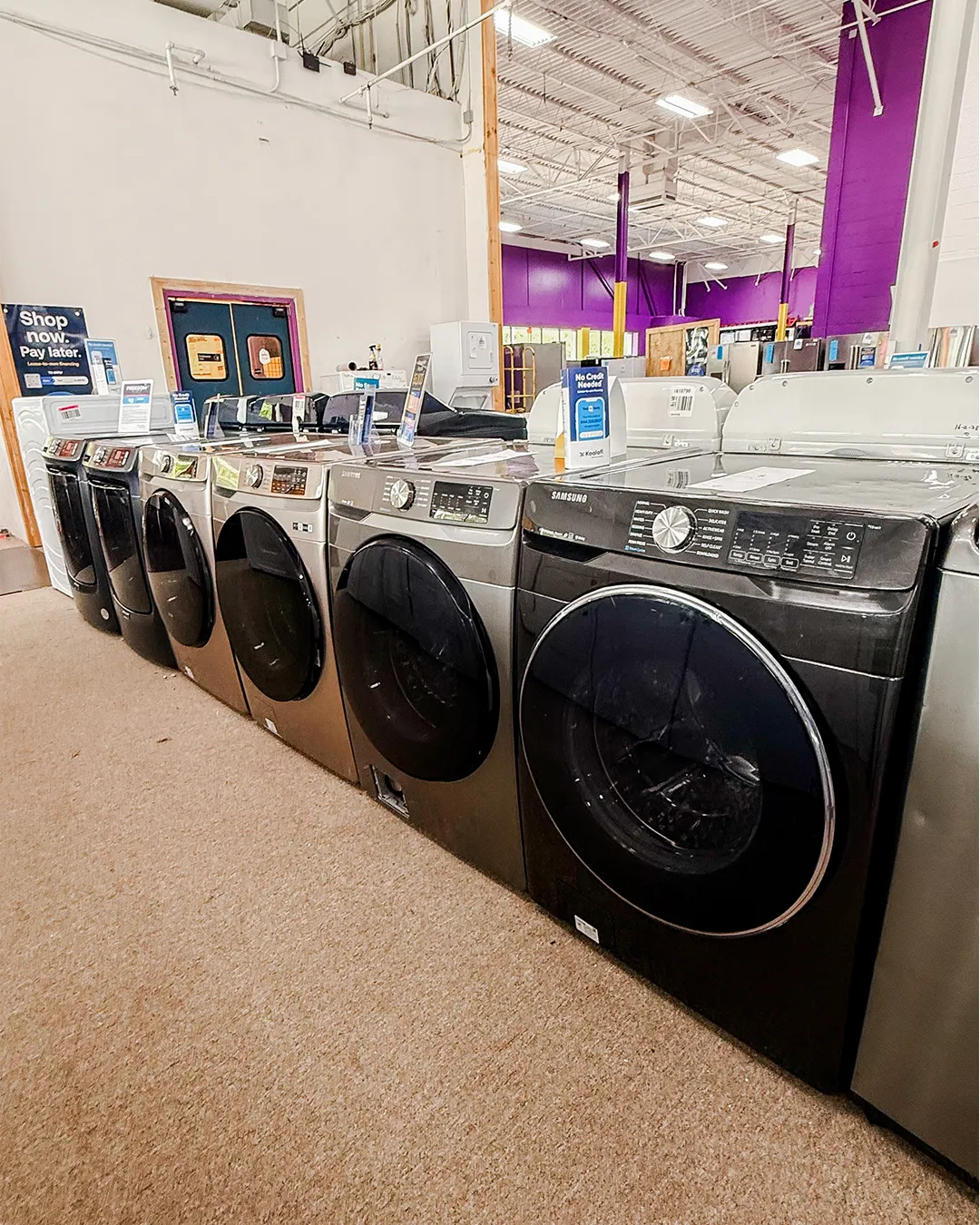
Washer Buying Guide Jonesboro Shoppers Can Trust
Capacity, size, cycles, and features — how to choose the right washing machine.
Welcome to a washer buying guide Jonesboro families can actually put to use. Buying a washing machine can feel confusing with all the sizes, cycles, and buzzwords out there. So here in Clayton County, from the Mount Zion area to the neighborhoods along Panhandle Road, we wrote this plain-English guide to make the choice easy. By the end, you’ll know exactly what capacity, size, and features fit your home. Good news, you won’t need a manual to understand any of it.
Here’s the thing about picking a washer. It’s mostly about matching the machine to your laundry habits and your space. Nail those two things, and the rest is simple. Let’s break it down step by step.
Step 1: Measure Your Laundry Space
Before you shop, grab a tape measure. Measure the width, height, and depth of the spot where your washer will sit. Then leave about an inch on each side so it can vibrate without banging the wall. Because a machine that doesn’t fit is the fastest way to spoil a good buy, this step comes first.
Don’t forget the path to the laundry room. Measure doorways and tight hallway turns too. A big front-loader won’t help if it can’t reach the spot. Five minutes of measuring saves a lot of grief later.
Step 2: Pick the Right Capacity
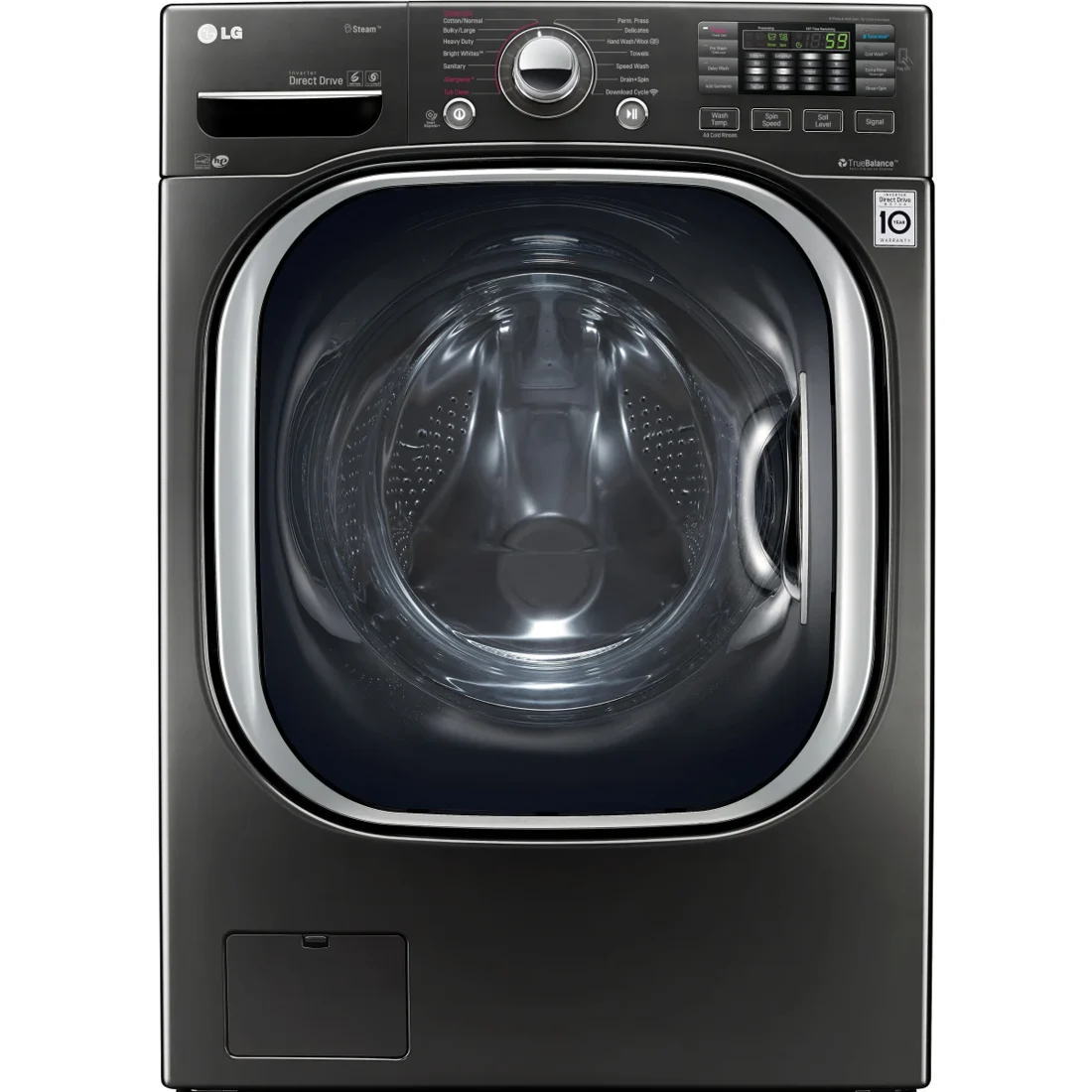
Capacity is measured in cubic feet. A smaller 3.5 cubic foot washer suits a couple or a small apartment near Stately Oaks. A larger 4.5 to 5 cubic foot machine handles big family loads, comforters, and sports gear with ease. So think about how much laundry piles up each week before you choose.
Bigger isn’t always better, though. A huge washer wastes water on tiny loads. Match the size to your real routine. Browse our washer collection to compare capacities side by side.
Step 3: Front-Load or Top-Load?
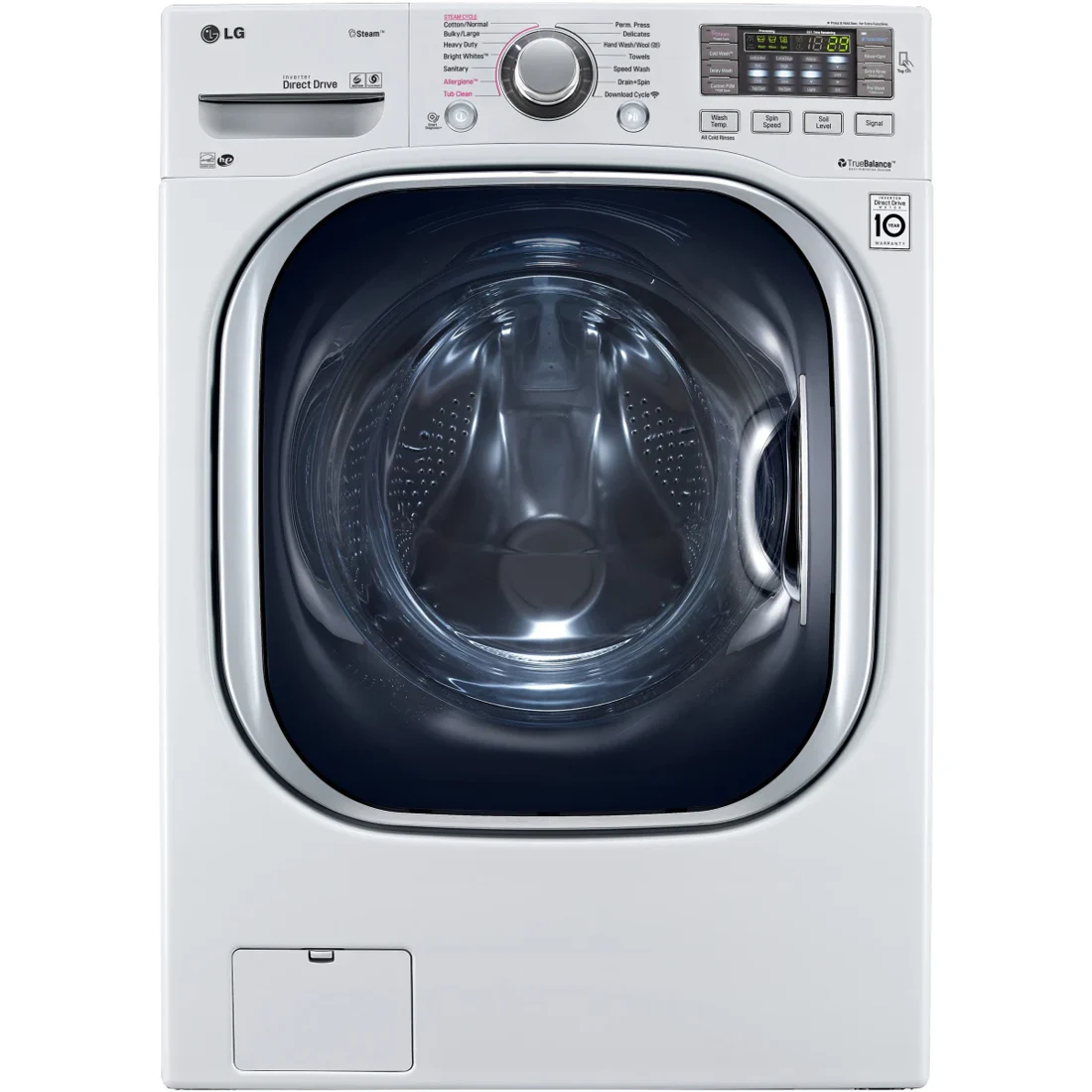
Now the big fork in the road. Front-load washers use less water, spin faster, and are gentle on clothes. Top-load washers are easier on your back and often cost less up front. Both clean well, so it really comes down to your budget and how you like to load.
A roomy, back-friendly option like the GE GTW685BSLWS top-load washer is a favorite for families who want simple, dependable laundry days. We’ll dig deeper into this choice when you visit and can see both in person.
Quick Recap Before Features
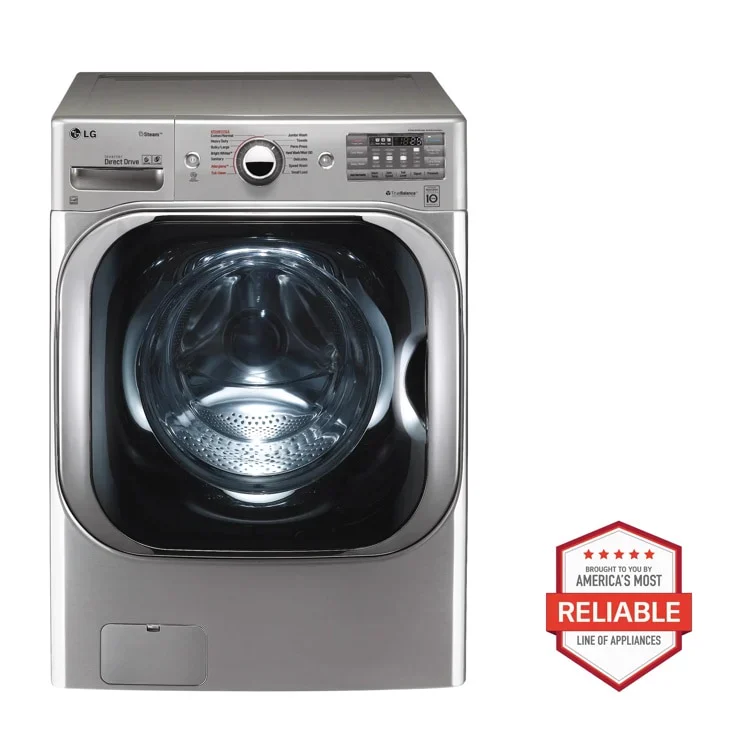
Let’s catch our breath. So far you’ve measured your space, chosen a capacity, and picked a loading style. That’s the heavy lifting done. Everything after this is about the extras that make laundry day nicer. So don’t sweat what’s left.
The features come down to personal taste. Some folks want every cycle under the sun. Others just need clean clothes and a low price. Both are perfectly fine choices.
Step 4: Cycles, HE Detergent, and Features
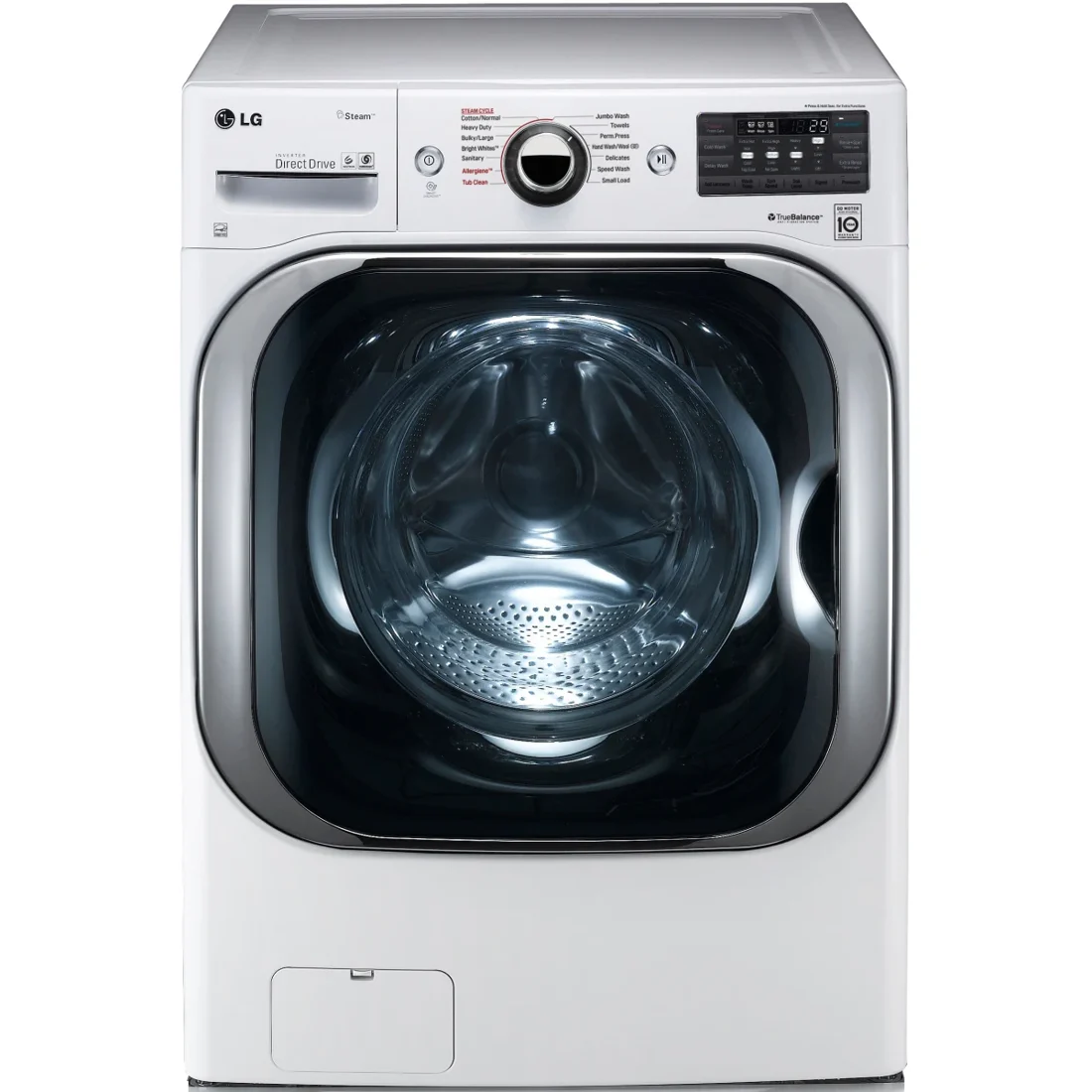
Most modern washers are high-efficiency, or HE. That means they use less water, so you’ll want HE detergent, which makes fewer suds. Handy cycles include heavy-duty for towels, delicate for nice clothes, and a quick wash for small loads. Steam and sanitize options are nice bonuses if you have kids or allergies.
Efficiency pays off over time, too. The ENERGY STAR clothes washer guide shows how an efficient machine saves on water and power year after year. And because our washers run 60–70% off retail, you can often afford more features than you’d expect. Spread the cost with our flexible payment plans if you like.
Come See Them in Person
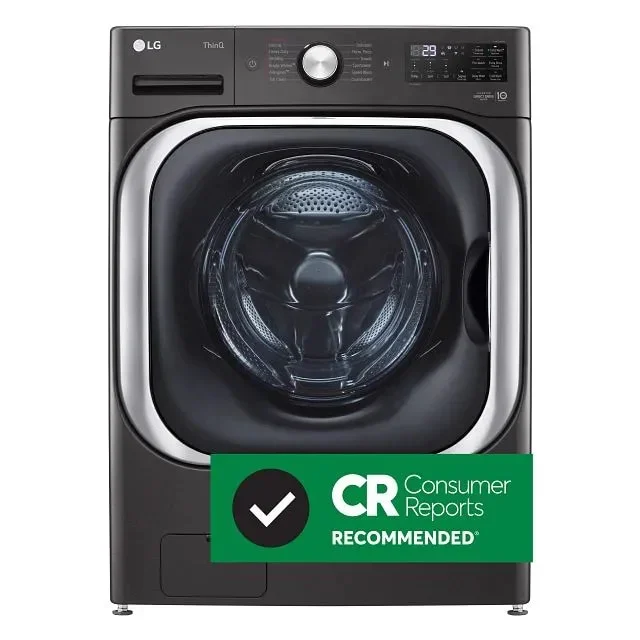
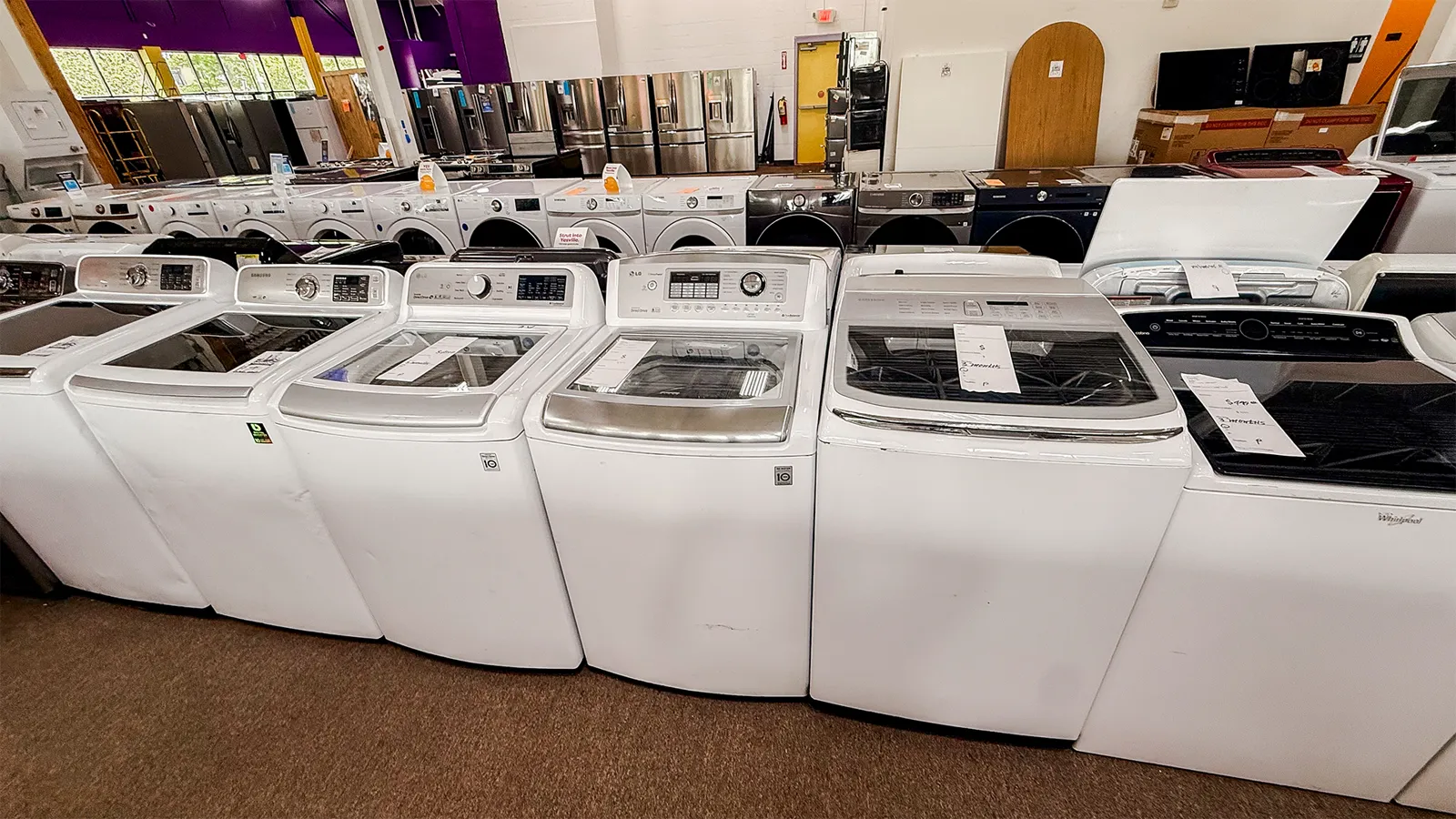
Pictures help, but nothing beats seeing the machines yourself. So bring your measurements and come check the drums and controls. Our team will walk you through every option with zero pressure. We serve shoppers all across the south metro, including Morrow, Riverdale, Forest Park, Lake City, Lovejoy, Rex, Ellenwood, Hampton, Stockbridge, and Conley.
Whether you’re coming in from State Route 54 or stopping by after a visit to Clayton County International Park, our Morrow store is close. Check our store hours and directions and come find your perfect washer. From Mount Zion to downtown Jonesboro, we’re glad to help you choose right.
Common Washer Questions
A 3.5 cubic foot washer suits a couple or small apartment, while a 4.5 to 5 cubic foot machine handles big family loads and bulky items. Match the size to how much laundry you do each week, and measure your space first.
Both clean well. Front-load washers use less water and are gentle on clothes, while top-load washers are easier on your back and often cost less up front. Choose based on your budget and loading preference.
Most modern washers are high-efficiency and need HE detergent, which makes fewer suds. Using regular detergent can cause over-sudsing and residue, so stick with the HE label for best results.
Measure the width, height, and depth of the space and leave about an inch on each side for vibration. Also check doorways and hallways so the machine can reach the laundry room without trouble.
Yes. We offer no-credit-needed financing through American First Finance, Acima, Snap, and Koalafi. You can spread the cost into smaller payments and still take your washer home the same day.
Find Your Perfect Washer
Name-brand washers at 60–70% off, no credit needed. Our team helps Jonesboro shoppers get the right fit.