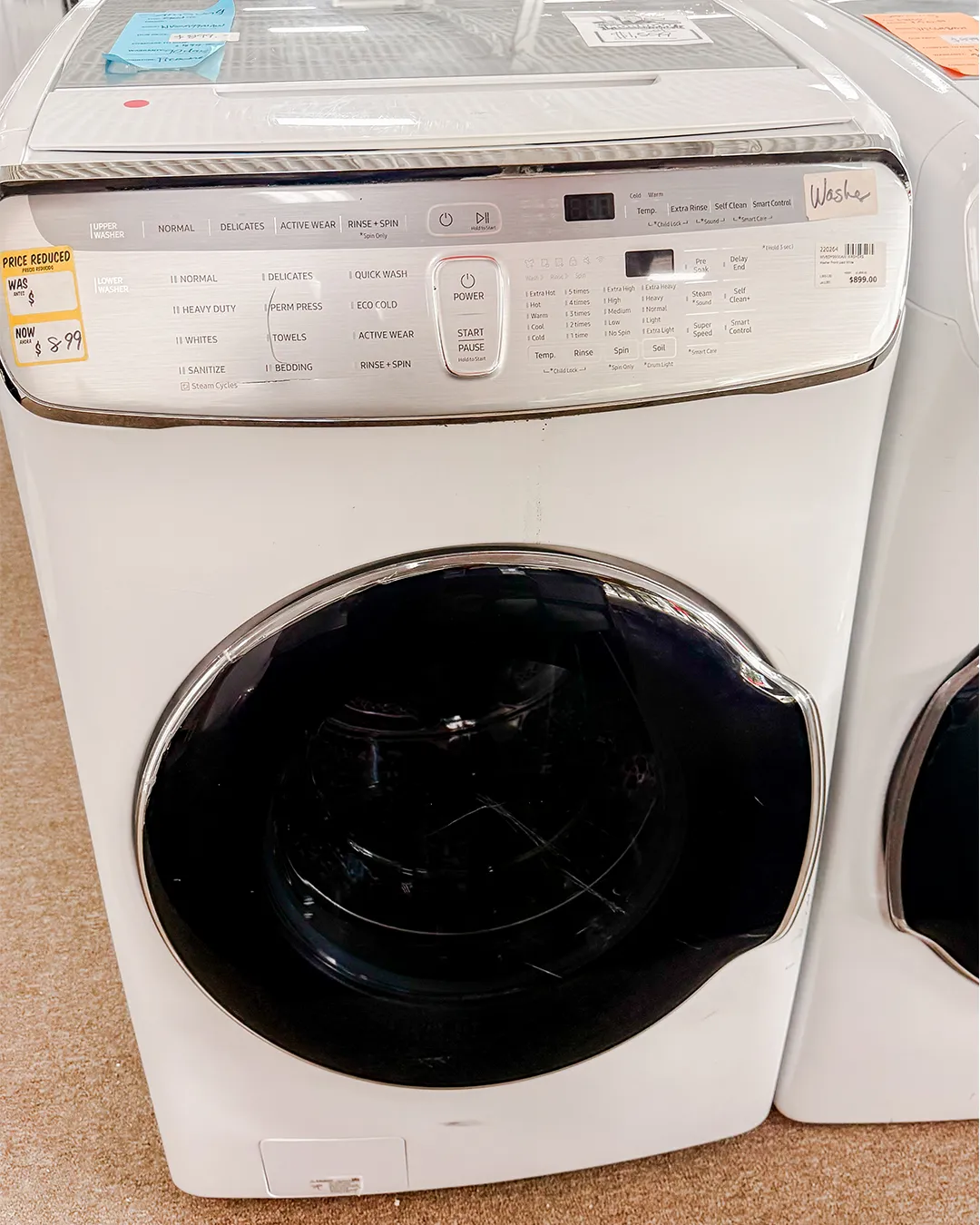
Washer Buying Guide for Buford Homes
Capacity, fit, cycles, and features — how to pick the right washer without overpaying.
Welcome to your washer buying guide Buford edition — a simple, friendly walk-through so you pick the right machine the first time. Buying a washer feels like a big call, and it is. It’s the workhorse that keeps your family in clean clothes week after week. But here’s the good news: once you know a handful of basics, the choice gets easy. And at a scratch-and-dent outlet like Compare Deals, you get name brands for 60–70% less.
Buford shoppers use this same checklist all the time — folks settling into Brickton Station, remodeling a laundry room in Providence Walk, or upgrading a place near Autumnbrooke. Let’s start with the step most people forget.
Step one: measure your laundry space
Before anything else, grab a tape measure. Measure the width, height, and depth of the spot where the washer will sit. Leave a few inches behind it for hoses and a little on each side for airflow. If the washer will go in a closet, check that the door still closes, and measure any tight hallways it has to pass through.
This is rule one of any washer buying guide Buford homeowners trust: measure first. A machine that’s an inch too wide for the closet is a return trip nobody wants.
Step two: pick the right capacity
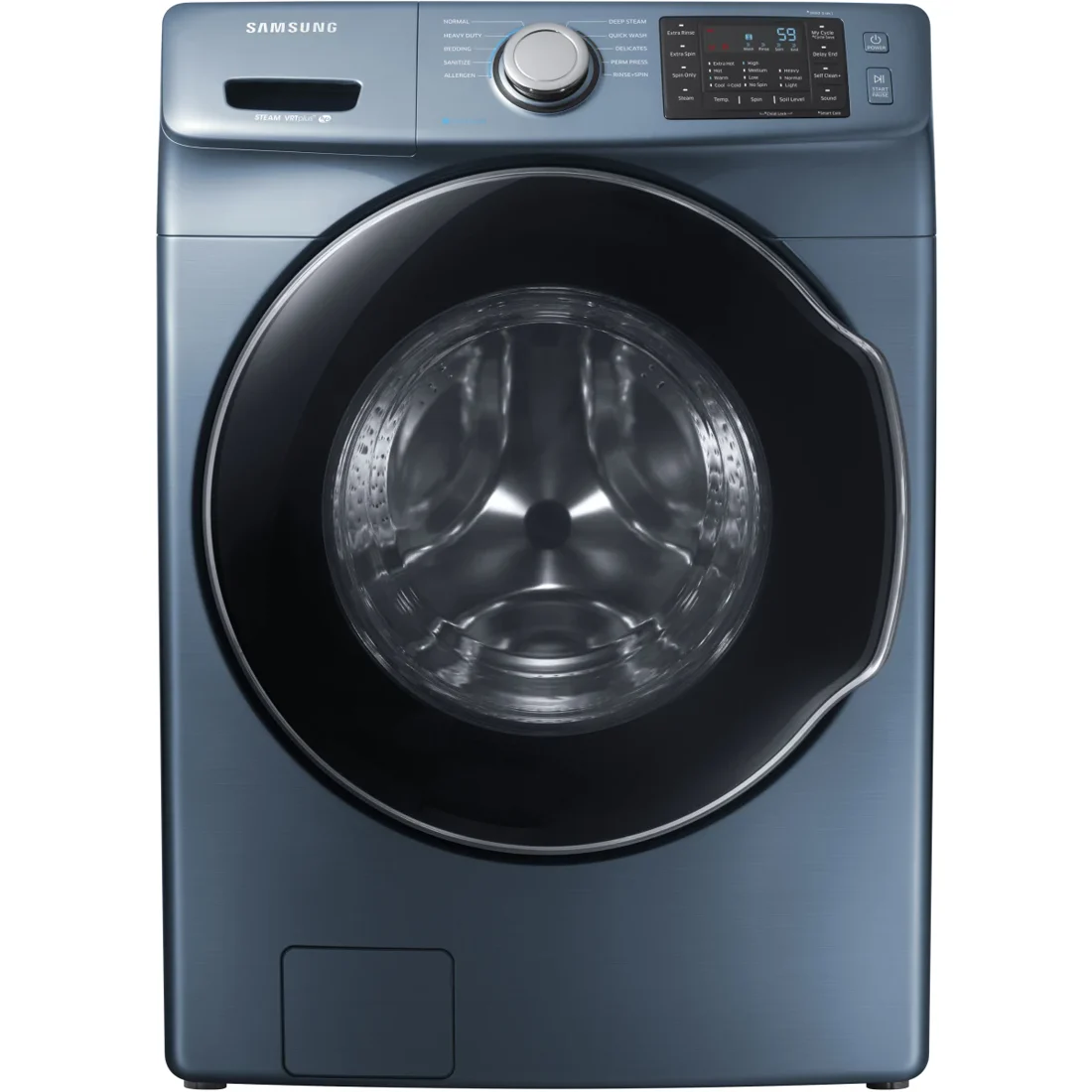
Washer capacity is measured in cubic feet. A small household might do great with 4.0 to 4.5 cubic feet, while a big, busy family could want 5.0 or more. Bigger drums mean fewer loads, which saves time and water. Think about your biggest wash day — a comforter, a pile of towels, a week of kids’ clothes.
If you regularly wash bulky bedding, size up. Want to compare drum sizes side by side? You can see our washer selection to find the right fit for your household.
Step three: front-load or top-load
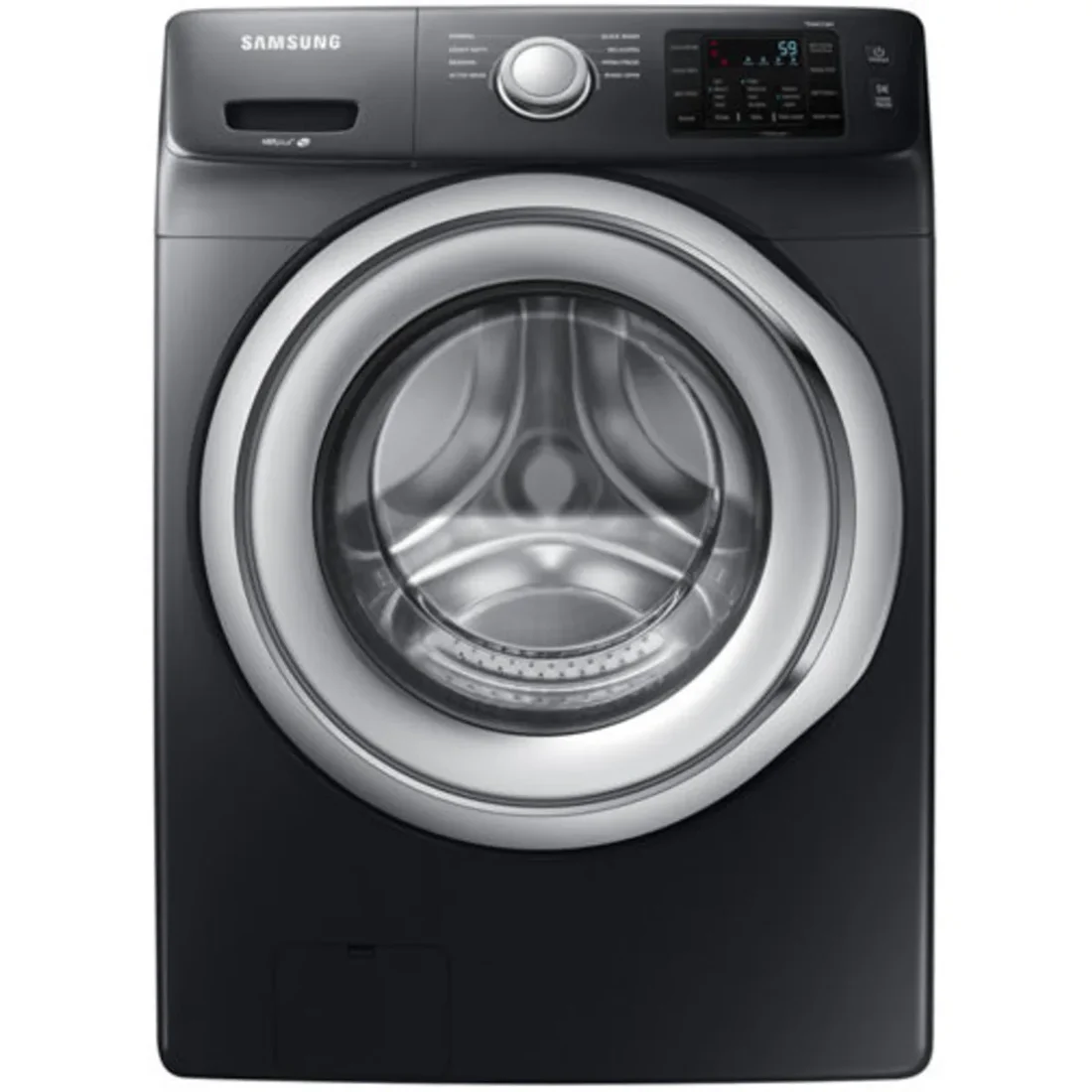
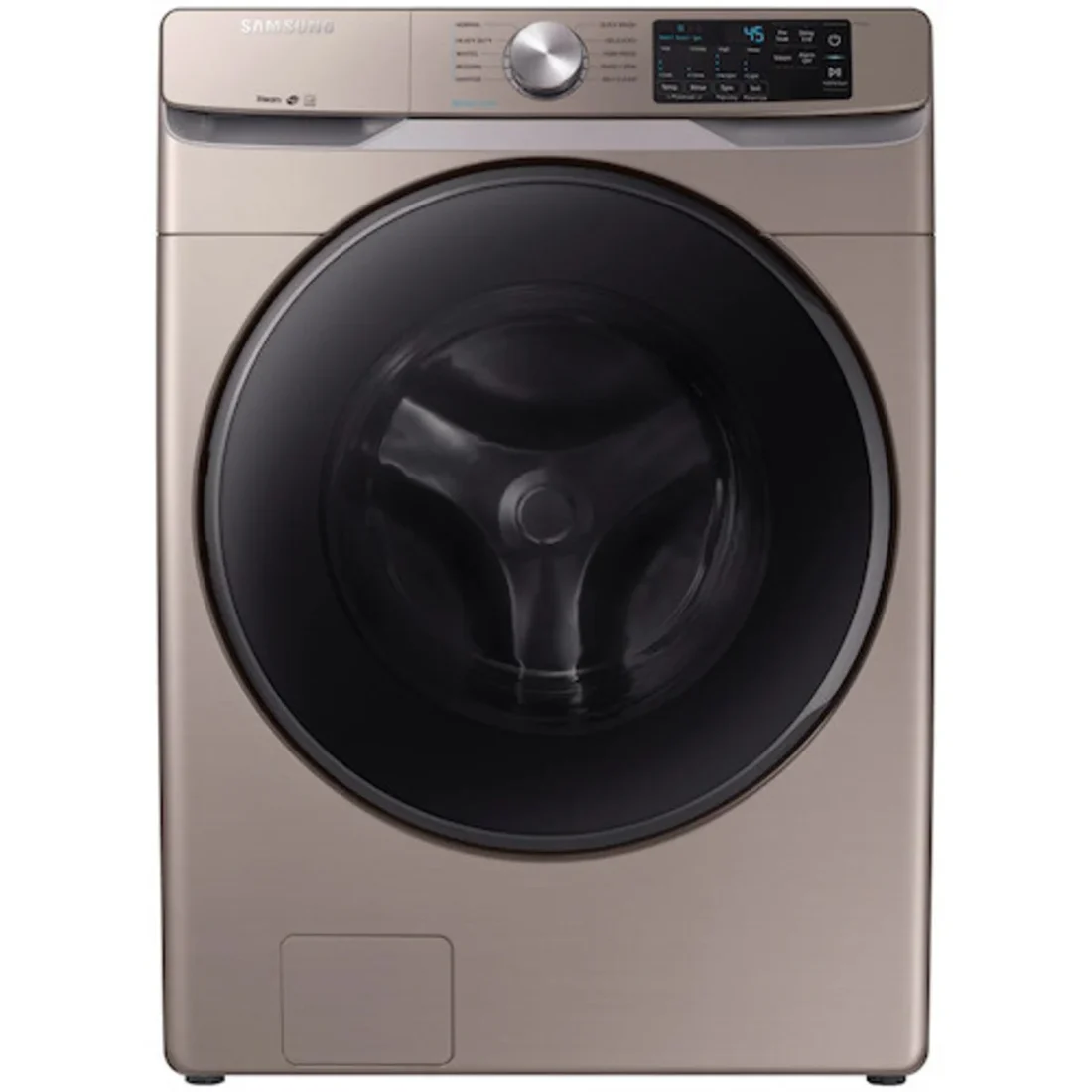
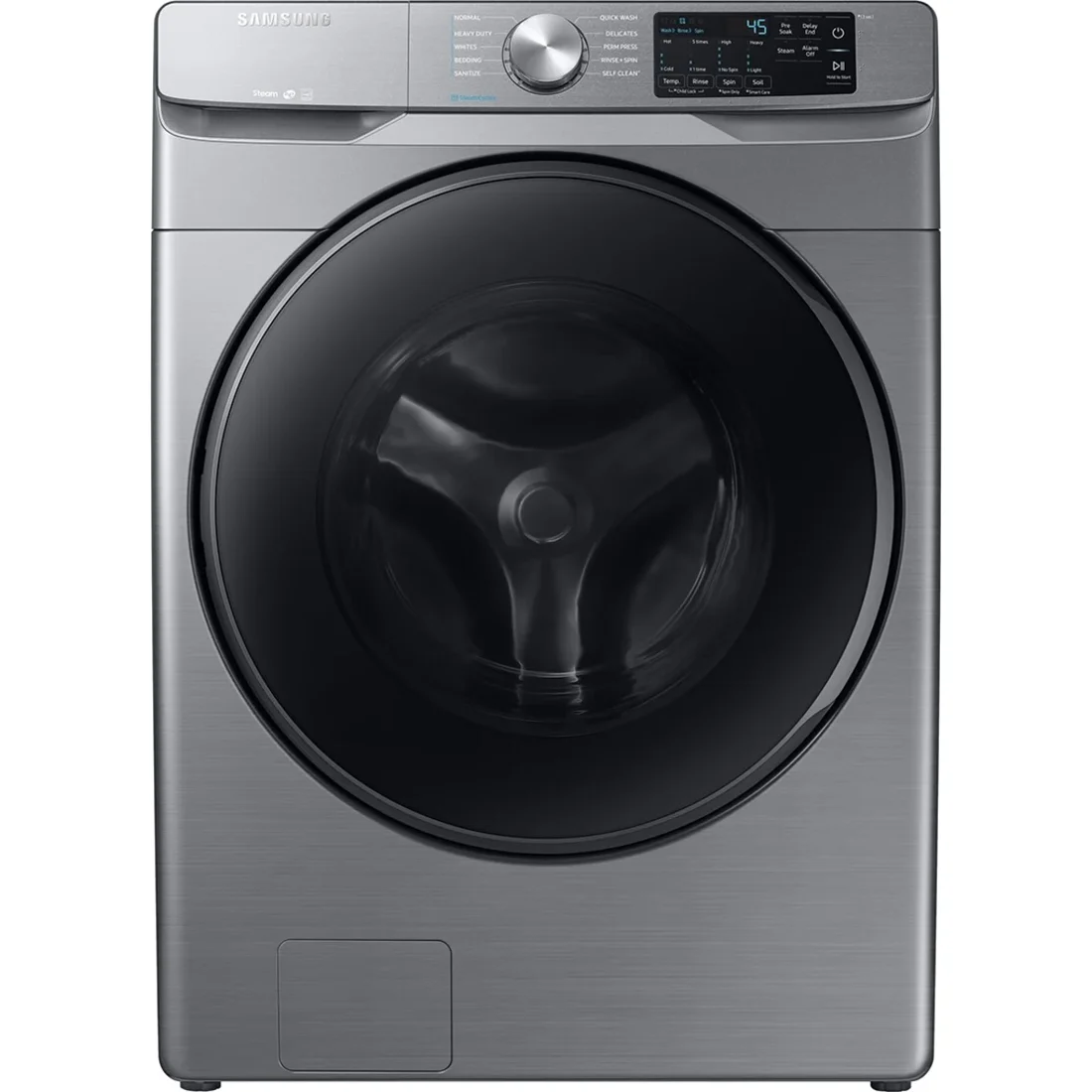
Now the style choice. Front-load washers are high-efficiency champs — they use less water, spin faster, and clean gently, but you bend to load them. Top-load washers are easy on your back and usually cost less up front. Some top-loaders have an agitator in the middle; others are impeller models with more room.
There’s no single winner here, only the right pick for your habits. A dependable top-loader like the GE GTW220ACKWW top-load washer is a great, simple choice for families who want to load without bending.
Step four: cycles and features that matter
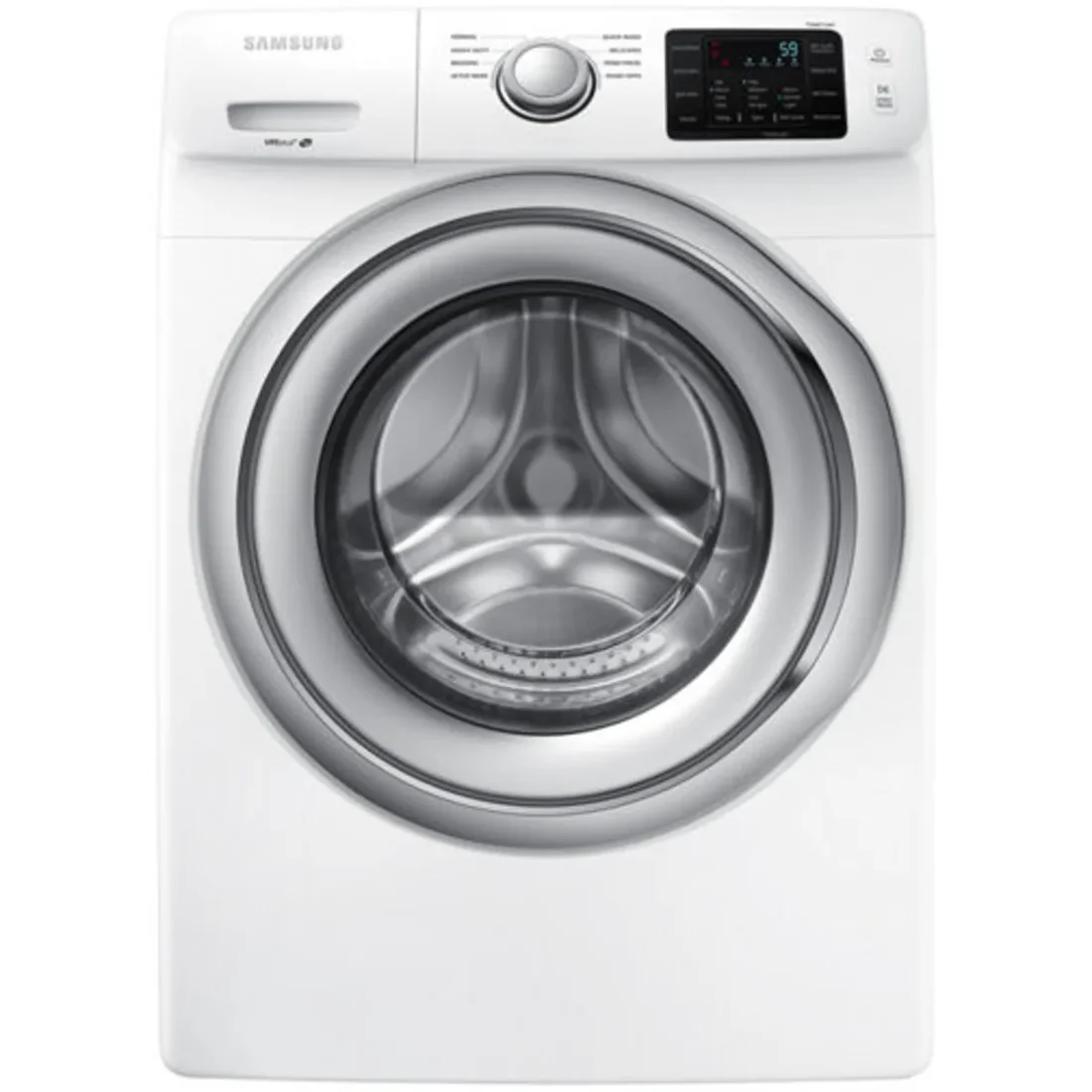
Quick recap before we finish — measure the space, pick your capacity, choose front or top load. Simple so far, right? Now let’s talk cycles. Most washers cover the basics: normal, delicates, heavy-duty. Handy extras include a steam cycle for tough stains, a quick-wash for small loads, and a sanitize setting for towels and bedding.
Don’t overthink it, though. More buttons can mean more to fix later. Pick the cycles you’ll actually use. And remember, high-efficiency machines need HE detergent — regular soap makes too many suds and can leave residue.
Step five: think about energy and water use
Here’s a step that keeps saving you money. An efficient washer uses less water and power on every load, which adds up fast over the years. Front-loaders especially sip water. Many machines we carry are ENERGY STAR rated, and you can look up any model on energystar.gov to compare.
So a smart pick saves you twice — once at the register and again on every utility bill. That’s the kind of math every Buford budget likes.
Come see the washers in person
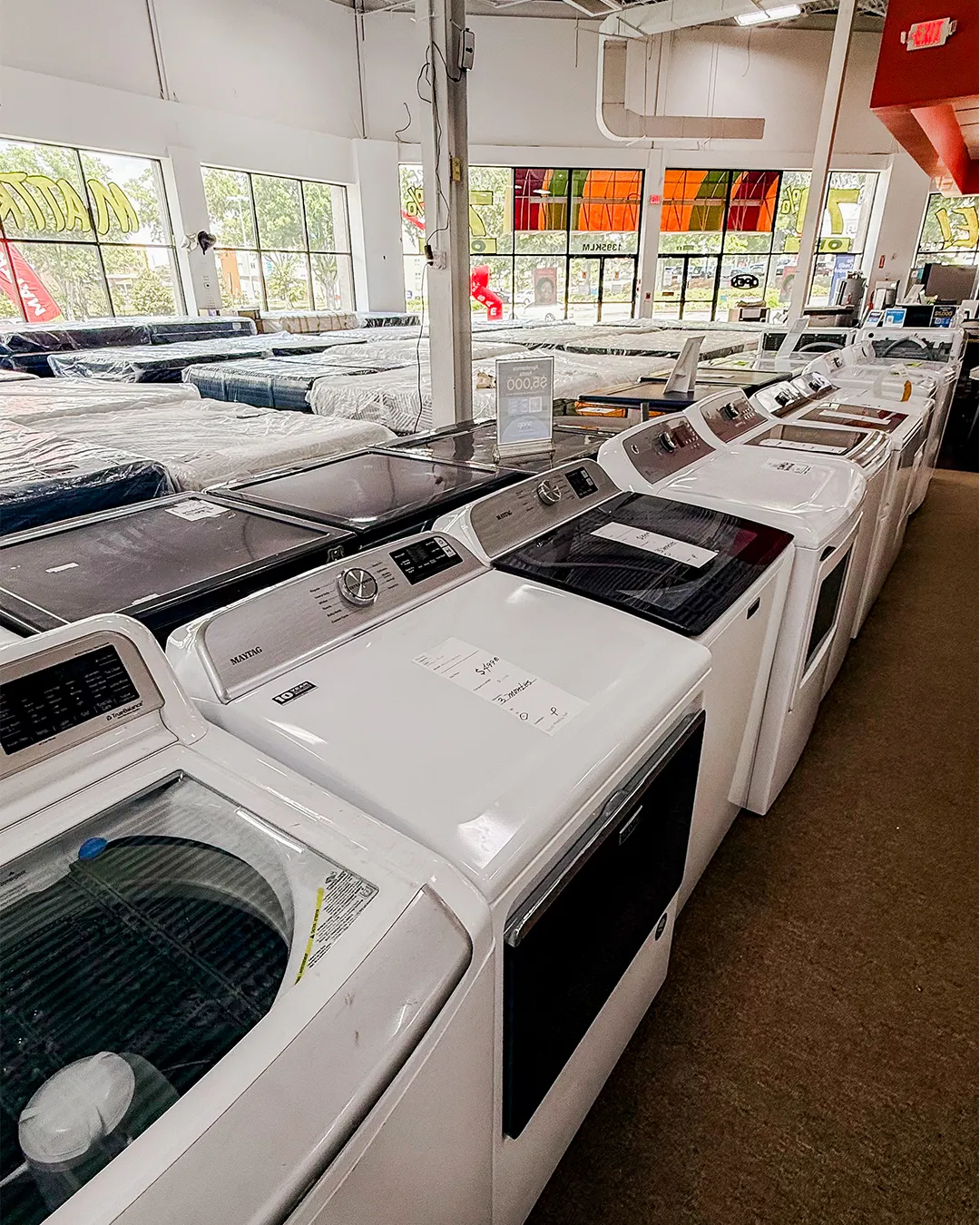
Photos help, but nothing beats standing in front of a washer and opening the lid. That’s why we invite Buford shoppers to visit. Make an outing of it — wander Historic Downtown Buford and Main Street, grab lunch, catch an event at the Buford Community Center, then head down toward the Mall of Georgia Boulevard area and our Lawrenceville store to see the deals.
Because our washers are scratch-and-dent, you get top brands for 60–70% off, and we offer no-credit-needed financing if you’d rather spread out payments. We serve Buford and nearby Sugar Hill, Suwanee, Flowery Branch, Braselton, Dacula, Hoschton, Lawrenceville, Gainesville, and Cumming — just visit either store. With this washer buying guide in hand, you’ll choose the right machine for your Buford home with confidence.
Common Washer Questions
Measure the width, height, and depth of the space, and leave a few inches behind for hoses and on the sides for airflow. Check that closet doors still close and measure any tight hallways the washer must pass through.
A small household often does well with 4.0 to 4.5 cubic feet, while a large family may want 5.0 cubic feet or more. If you regularly wash bulky bedding, size up so you can do fewer loads.
Neither is best for everyone. Front-load washers use less water and clean gently but require bending, while top-load models are easier on your back and often cost less up front. Choose based on your habits and space.
High-efficiency washers need HE detergent, which makes fewer suds. Regular detergent can create too many suds and leave residue, so always check for the HE label with an efficient machine.
Yes. We offer no-credit-needed financing through American First Finance, Acima, Snap, and Koalafi, so you can take the washer home now and pay over time.
Find Your Perfect Washer
Name-brand washers at 60–70% off, no credit needed. Bring your measurements and let us help you choose.