Hybrid vs Innerspring Mattress McDonough Guide
A plain-English look at coils, feel, and which bed fits your sleep.
Shopping for a new bed and stuck on the hybrid vs innerspring mattress McDonough question? You’re not alone. Here in Henry County, shoppers from Avalon to Trinity Park stand in the aisle wondering what the real difference is. Good news. It’s simpler than the tags make it sound. Both beds use coils. The big change is what sits on top of those coils. So let’s break it down in plain English, and show you how to save 60 to 70 percent off retail at Compare Deals while you’re at it.
Here’s the short version. An innerspring bed is mostly coils with a thin comfort layer. A hybrid stacks a thicker layer of foam or latex on top of those coils. That one change shifts the whole feel. So the right pick really comes down to how you like to sleep and what your body needs.
What Makes an Innerspring Mattress Tick
An innerspring is the classic bed most of us grew up on. Under a thin comfort layer, you get a big steel coil system doing the heavy lifting. That means firm, bouncy support and lots of airflow, so these beds tend to sleep cool. Plus, they’re usually the friendliest on your wallet.
Here’s the trade-off, though. Because the comfort layer is thin, an innerspring doesn’t cushion your pressure points as much. Side sleepers sometimes feel the coils at the shoulder and hip. So if you love a firm, traditional feel and a lower price, an innerspring is a great call. Want to see a few in person? Browse our full mattress lineup and feel the bounce yourself.
What a Hybrid Does Differently
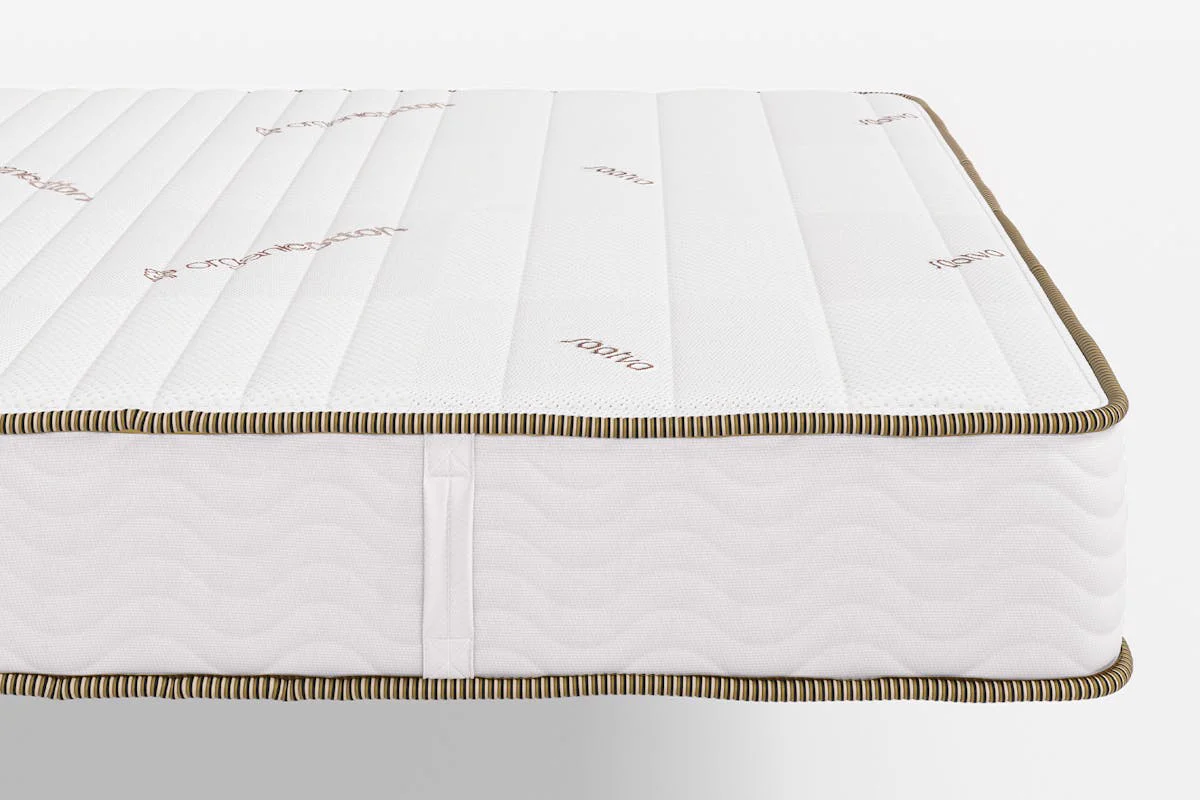
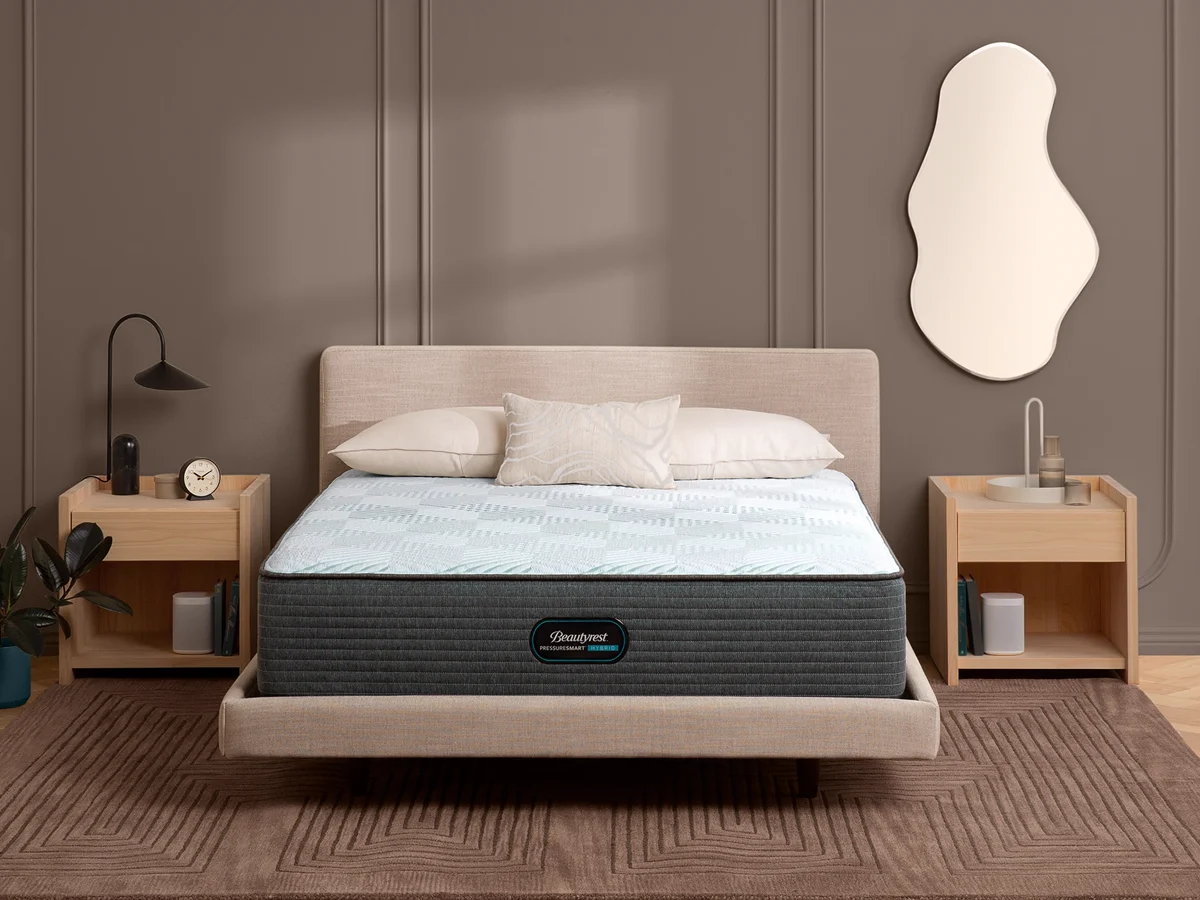
A hybrid keeps the supportive coil base but adds a real comfort layer on top, usually memory foam, latex, or a plush pillow top. So you get the best of both worlds. Sturdy support down low, soft pressure relief up high. For a lot of McDonough shoppers, that combo just feels right.
Most modern hybrids also use individually wrapped coils. That’s a fancy way of saying each spring moves on its own. The payoff is better motion isolation and support that hugs your shape instead of pushing back as one big slab. The downside? Hybrids usually cost a bit more than a basic innerspring. Still, at our outlet prices, that gap shrinks fast.
Feel, Bounce, and Motion: The Real Differences
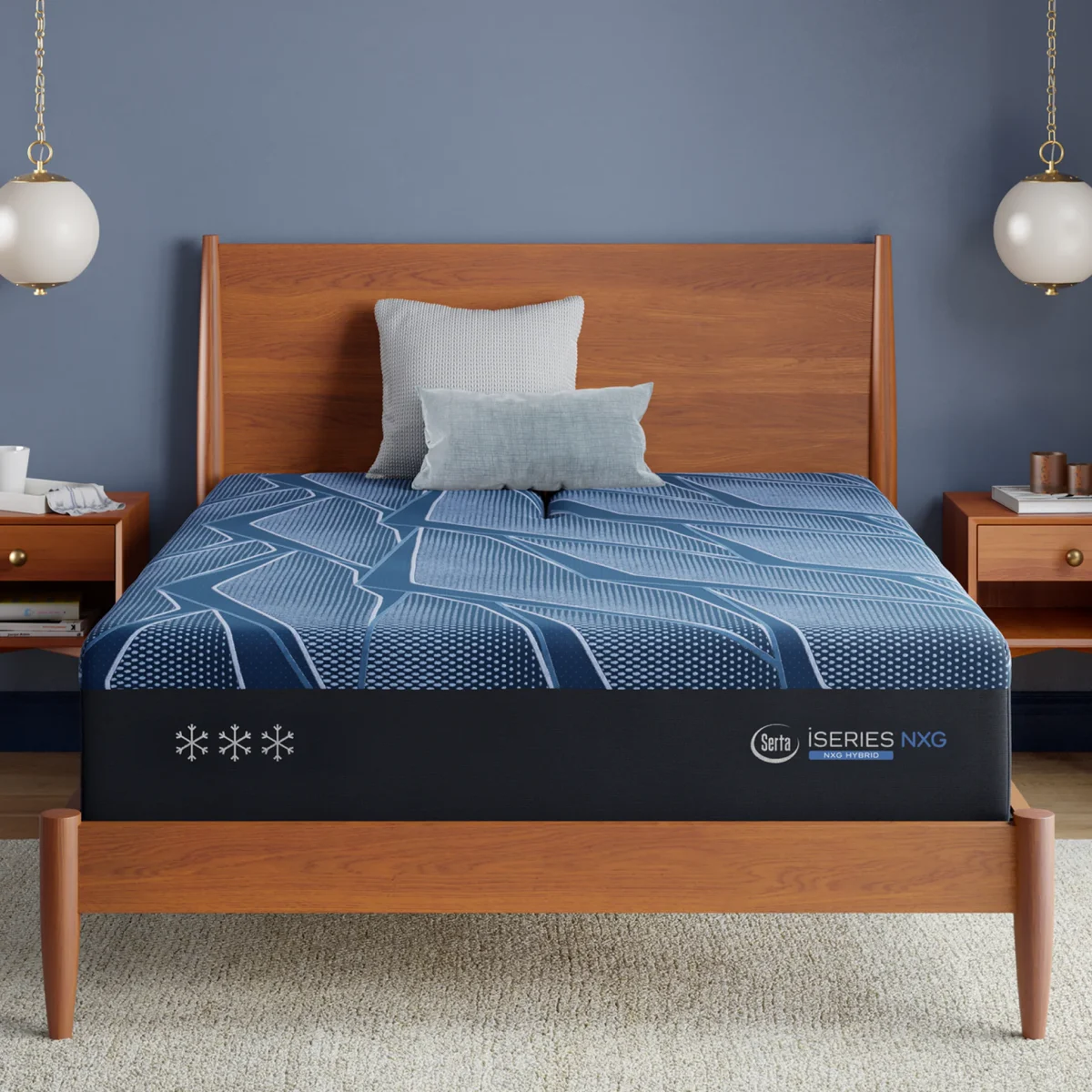
Let’s put them side by side. On bounce, the innerspring wins. It has that lively, springy push that makes getting out of bed easy. A hybrid feels a little more controlled and cushioned. On motion, the hybrid usually wins, especially with wrapped coils, so a restless partner is less likely to wake you.
On cooling, it’s close. Both breathe well thanks to the coil core, though a foam-topped hybrid can trap a touch more heat than a bare-bones innerspring. Here’s the thing, though. Feel is personal. What reads as “too firm” to your neighbor near Heron Bay might feel perfect to you. That’s why testing beats guessing every time.
Durability and Who Each Bed Fits Best
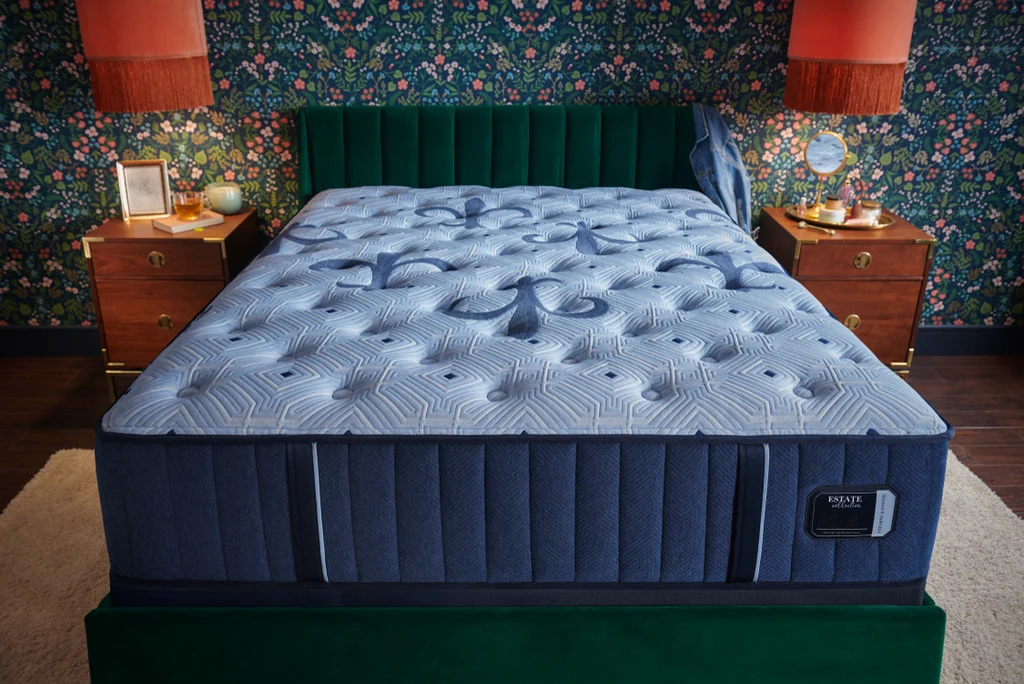
Both types can last years when they’re built well. Innersprings can wear at the comfort layer sooner since it’s thin, while a quality hybrid’s foam layer holds its shape longer. Either way, expect a good bed to serve you seven to ten years before it’s time to swap.
So who buys what? Pick an innerspring if you want firm support, strong airflow, a bouncy feel, and the lowest price. Pick a hybrid if you want pressure relief, less motion transfer, and a more cushioned surface that still supports your spine. Couples and side sleepers often lean hybrid, while firm-feel fans and budget shoppers often love an innerspring.
Getting the Right One for Less
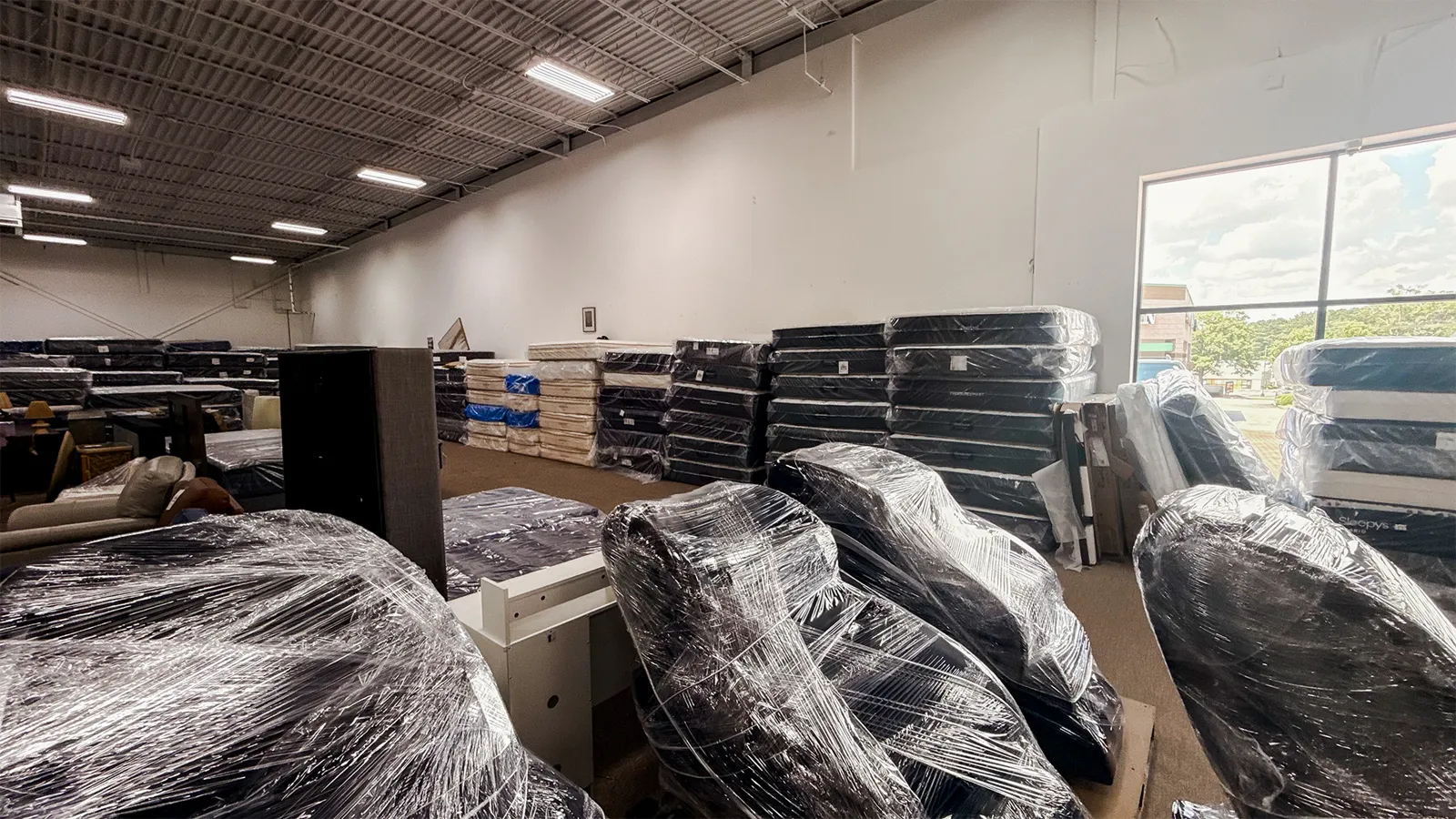
Here’s where it gets fun. Whether you land on a hybrid or an innerspring, you don’t have to pay full sticker price. We buy closeouts and overstock straight from Sealy, Stearns & Foster, Beautyrest, Serta, and Saatva, then pass the savings on. Closeout queens start at just $399 and run up to about $899, all brand new. So both types stay budget-friendly.
And if you’d rather spread the cost out, we offer no-credit-needed financing through American First Finance, Acima, Snap, and Koalafi. Many folks get approved even with rough credit. Check out our easy payment options and take your pick home today. If you’re comparing prices, government resources at the Consumer Financial Protection Bureau can help you shop financing wisely.
Serving McDonough and the South Metro
Our outlet is a quick drive for McDonough shoppers, whether you’re coming from downtown near McDonough Square or heading over from a spot along Jonesboro Road. Stop by after a Saturday at Southern Belle Farm and lie down on both a hybrid and an innerspring back to back. That side-by-side test tells you more than any tag. We also welcome neighbors from Stockbridge, Locust Grove, Hampton, Ellenwood, Jonesboro, Jackson, Griffin, and Conley.
Not sure which store is closest? Take a peek at our store hours and directions before you drive over. Come feel the difference and let your back cast the deciding vote.
Common Mattress Questions
Both use a coil support system, but a hybrid adds a thicker comfort layer of foam or latex on top. An innerspring has only a thin comfort layer, so it feels firmer and bouncier. The hybrid gives more pressure relief and cushioning.
Side sleepers usually prefer a hybrid because the thicker top layer cushions the shoulder and hip. An innerspring can feel too firm at those pressure points. That said, a plush-top innerspring can work too, so it’s worth testing both.
Yes, generally. Hybrids with individually wrapped coils and a foam layer absorb movement better, so a restless partner is less likely to wake you. A traditional innerspring transfers more motion because its coils are connected.
Usually, yes. An innerspring costs less because it uses a thinner comfort layer. At Compare Deals, both types are heavily discounted, with closeout queens starting at $399, so the price gap stays small.
A quality hybrid often holds its shape a little longer because its thicker foam layer resists wear. Both types can last seven to ten years when well made. Good support layers are the key to a long life.
Feel Both, Then Decide
Name-brand hybrids and innersprings with closeout queens from $399, save 60–70%, no credit needed.