Hybrid vs Innerspring Mattress: College Park Guide
Two coil beds, two feels — here’s how to pick the right one.
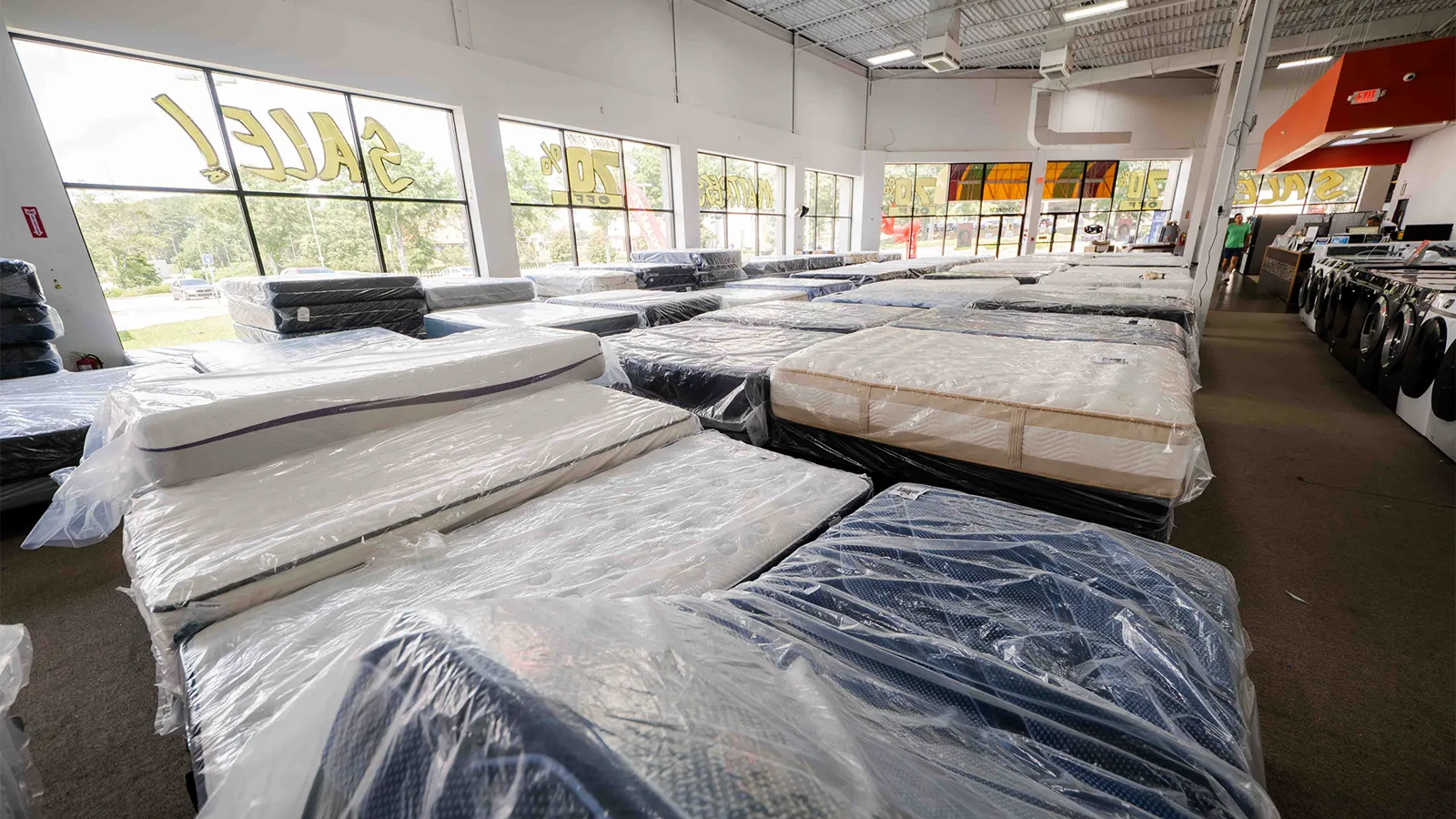
Shopping for a new bed and stuck on the hybrid vs innerspring mattress College Park question? You’re not alone. Both sit on coils, both cost less than you’d think, yet they feel like cousins, not twins. Around here, from Princeton Lakes to Center Park, folks ask us this one every week. Good news. Once you know what each one does well, the choice gets easy. And at Compare Deals, either style comes at 60 to 70 percent off retail, so you can pick by comfort instead of price tag.
Here’s the short version. An innerspring bed is the classic bouncy mattress your grandparents had, just modernized. A hybrid takes those coils and stacks real comfort foam on top. So the big difference is the top layers. That’s where the feel, the pressure relief, and a chunk of the price live. Let’s dig in so you walk into our showroom knowing exactly what you want.
What Makes an Innerspring an Innerspring
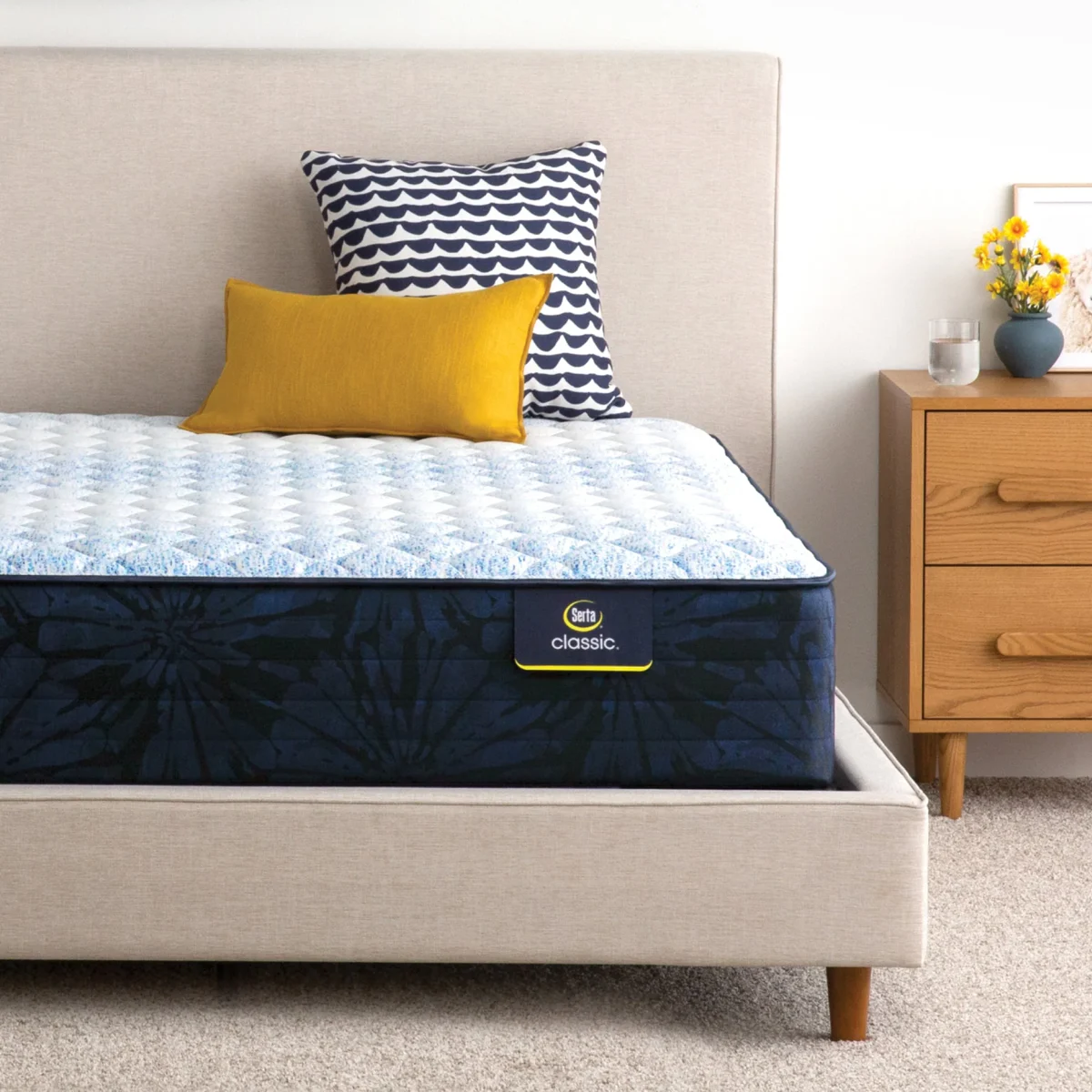
An innerspring mattress is built around a steel coil system with a thin comfort layer up top. That means firm, bouncy, breathable support. Because there’s not much foam, air moves freely, so these beds tend to sleep cool. Plus, they’re usually the most budget-friendly option on the floor.
Who loves them? Back and stomach sleepers who want a firm, on-top feel. Hot sleepers who hate that sinking sensation. And anyone watching their dollars who still wants a name brand. If that sounds like you, take a look at our coil mattress lineup and give a few a bounce.
What a Hybrid Adds to the Mix
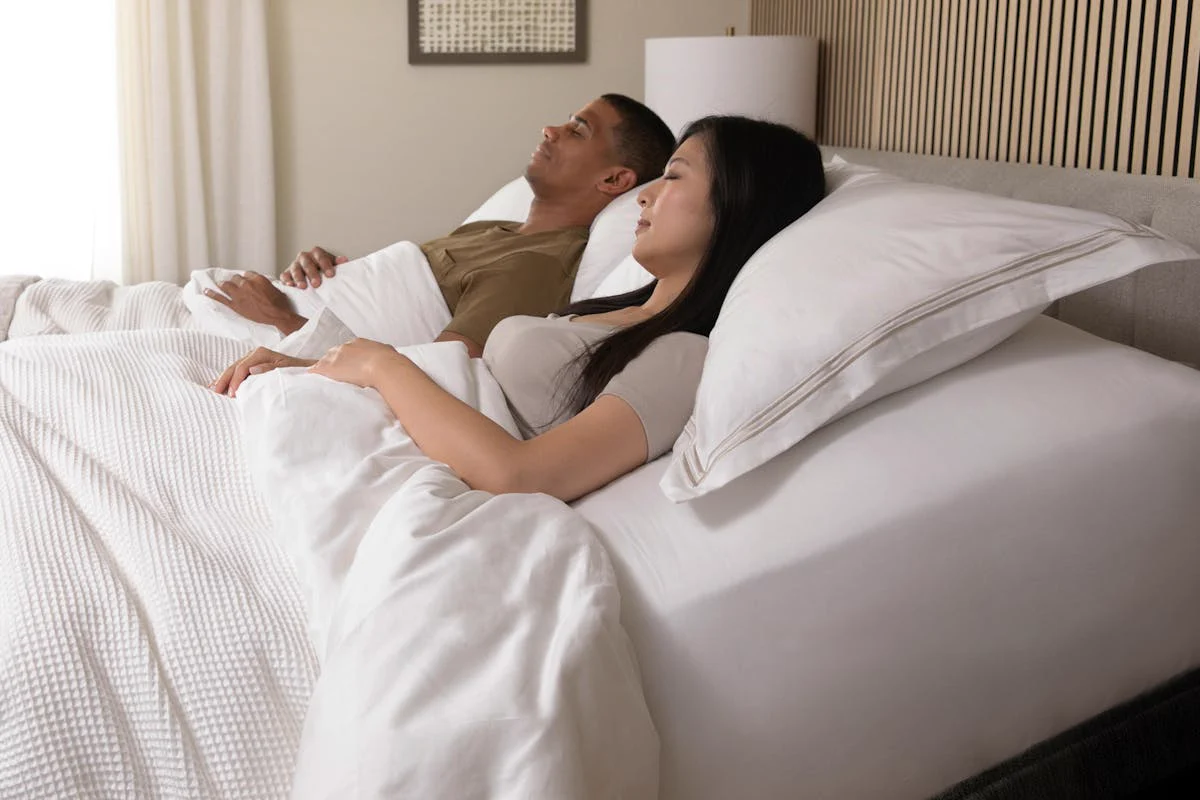
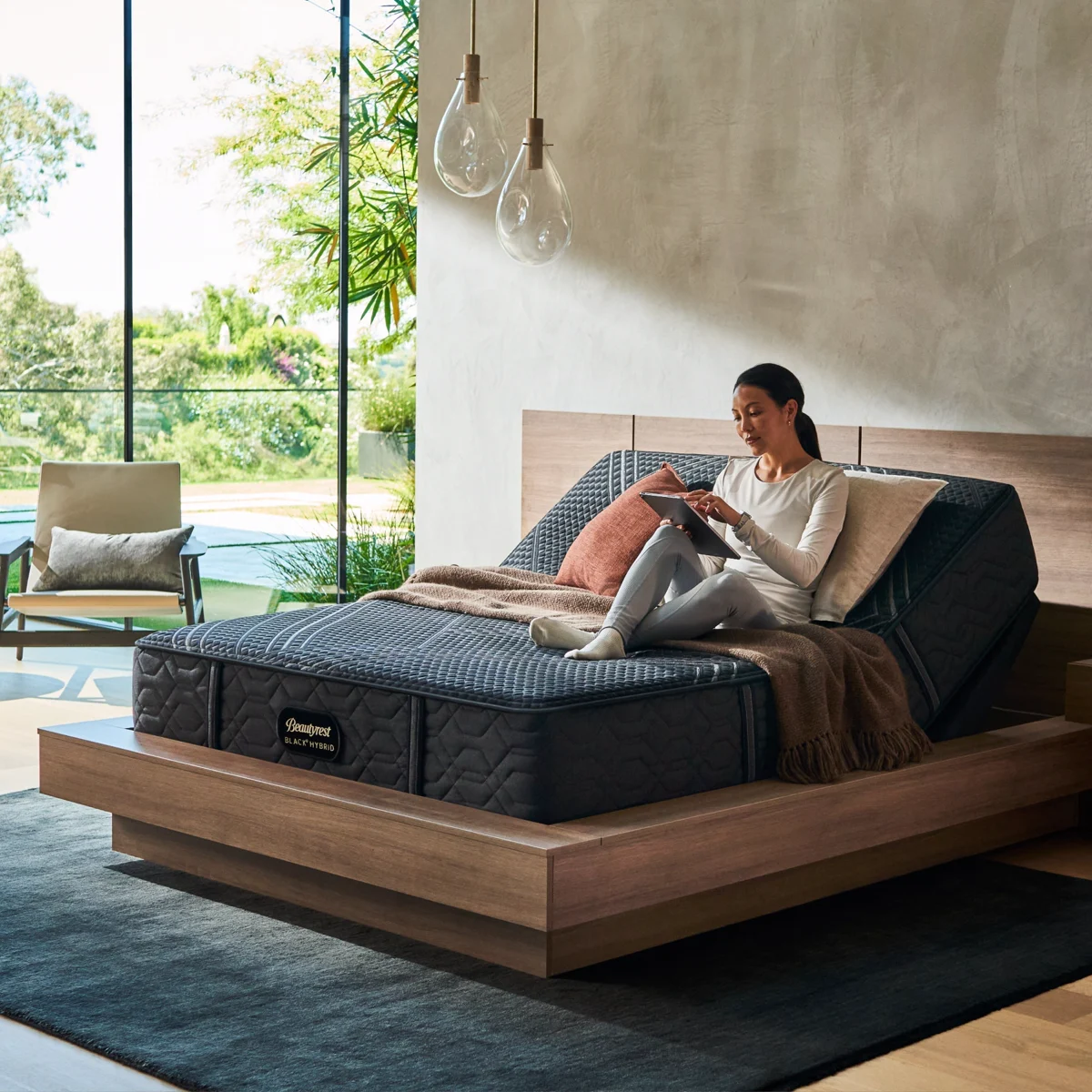
A hybrid keeps the coil base but adds serious comfort layers on top, usually memory foam or latex. So you get support from below and cushioning above. It’s the best-of-both-worlds bed, and it’s why hybrids have taken over the market. You still feel the responsive lift of coils, but the foam smooths out pressure at your hips and shoulders.
Most modern hybrids use individually wrapped coils too. That matters because each coil moves on its own, which cuts down on motion transfer. So when your partner rolls over, you feel less of it. In the hybrid vs innerspring mattress College Park debate, hybrids usually win for couples and side sleepers for exactly this reason.
Feel, Bounce, and Motion Side by Side
Let’s put them head to head. On feel, innerspring is firmer and more on-top, while a hybrid cradles you a bit more. On bounce, both have that coil spring, though the hybrid’s foam softens it slightly. On motion isolation, the hybrid wins thanks to those wrapped coils and foam. And on temperature, the innerspring runs a touch cooler because there’s less foam holding heat.
Quick real-talk moment before we go on. Neither one is “better.” They’re just built for different sleepers. A Cherry Blossom stomach sleeper and a College Park Golf Course-area side sleeper might walk out with totally different beds and both be thrilled. The trick is matching the bed to your body, not chasing a label.

Durability and Price: The Long Game
Both styles last well when they’re built with quality coils, which is why we stick to brands like Sealy, Beautyrest, Serta, Stearns & Foster, and Saatva. Hybrids can cost a little more up front because of those extra foam layers, but the comfort payoff is real for a lot of sleepers. Innersprings save you money and hold up great for firm-bed fans.
The Georgia International Convention Center draws big crowds to College Park, and plenty of them are just as tired of overpaying for a mattress as you are. That’s why our closeout queens start at $399 and climb to about $899. Whichever style you choose, you dodge the retail markup. Want to stretch it out further? Our no-credit-needed payment options let you take it home today.
How to Choose Between Them
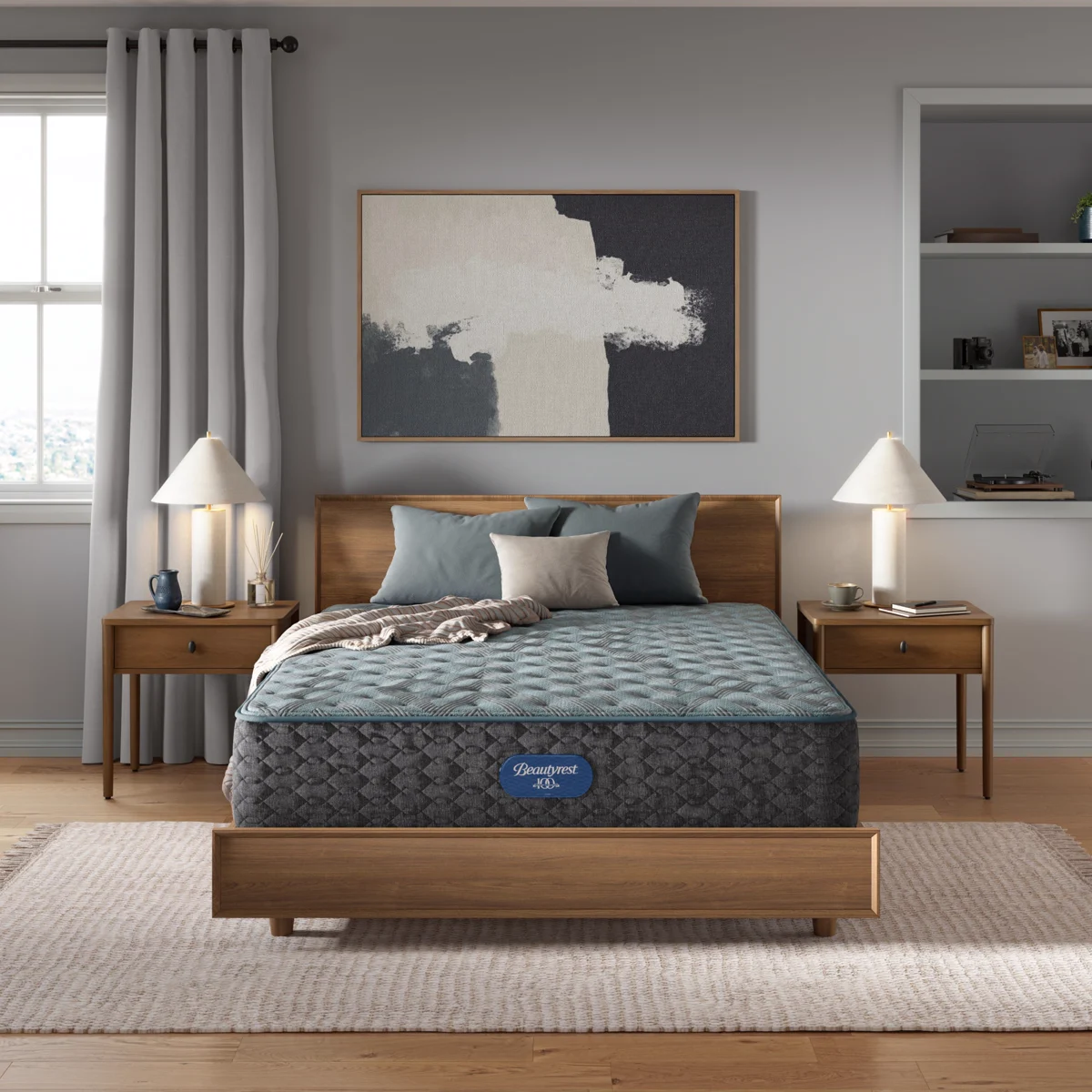
Still torn? Here’s a simple way to decide. Pick innerspring if you want firm, bouncy, cool, and cheap. Pick a hybrid if you want cushioning, motion control, and a plusher hug. If you sleep hot and firm, lean innerspring. If you sleep on your side or share the bed, lean hybrid. The Sleep Foundation breaks down these same trade-offs if you want a second opinion.
Honestly though, the fastest way to settle it is to lie on both. Feelings beat charts every time. Browse our closeout deals first, then come test the top picks in person.
Serving College Park and Nearby Communities
College Park sits just off Old National Highway and I-85, an easy drive to our Morrow store. Whether you’re coming from Princeton Lakes, Center Park, or anywhere near the historic district, we’re a quick trip southeast. We also help mattress shoppers from East Point, Hapeville, Union City, South Fulton, Riverdale, Forest Park, Jonesboro, and Atlanta. So no matter which corner of south metro you call home, both bed styles are waiting on our floor.
Not sure which store is closest? Check our hours and directions, then come bounce, sink, and compare until one bed feels like yours.
Common Mattress Questions
Both use a steel coil support core, but a hybrid adds thick comfort layers of memory foam or latex on top. That gives a hybrid more cushioning and pressure relief, while an innerspring stays firmer, bouncier, and more on-top in feel.
Hybrids usually win for couples because their individually wrapped coils and foam layers reduce motion transfer. That means less bouncing when your partner moves. Innersprings transfer more motion since they have thinner comfort layers.
Innerspring beds tend to sleep a touch cooler because air moves freely through the coils with little foam to trap heat. Many hybrids use cooling gels and breathable covers to close that gap, so both can work for hot sleepers.
Usually yes, since it has fewer foam layers. At Compare Deals both styles are 60 to 70 percent off retail, with closeout queens starting at $399, so the price gap stays small either way.
Yes. We offer no-credit-needed financing through American First Finance, Acima, Snap, and Koalafi on any mattress. Many shoppers get approved even with limited credit, and it only takes a few minutes.
Come Feel Both in Person
Hybrid or innerspring, closeout queens from $399, save 60–70%, no credit needed.