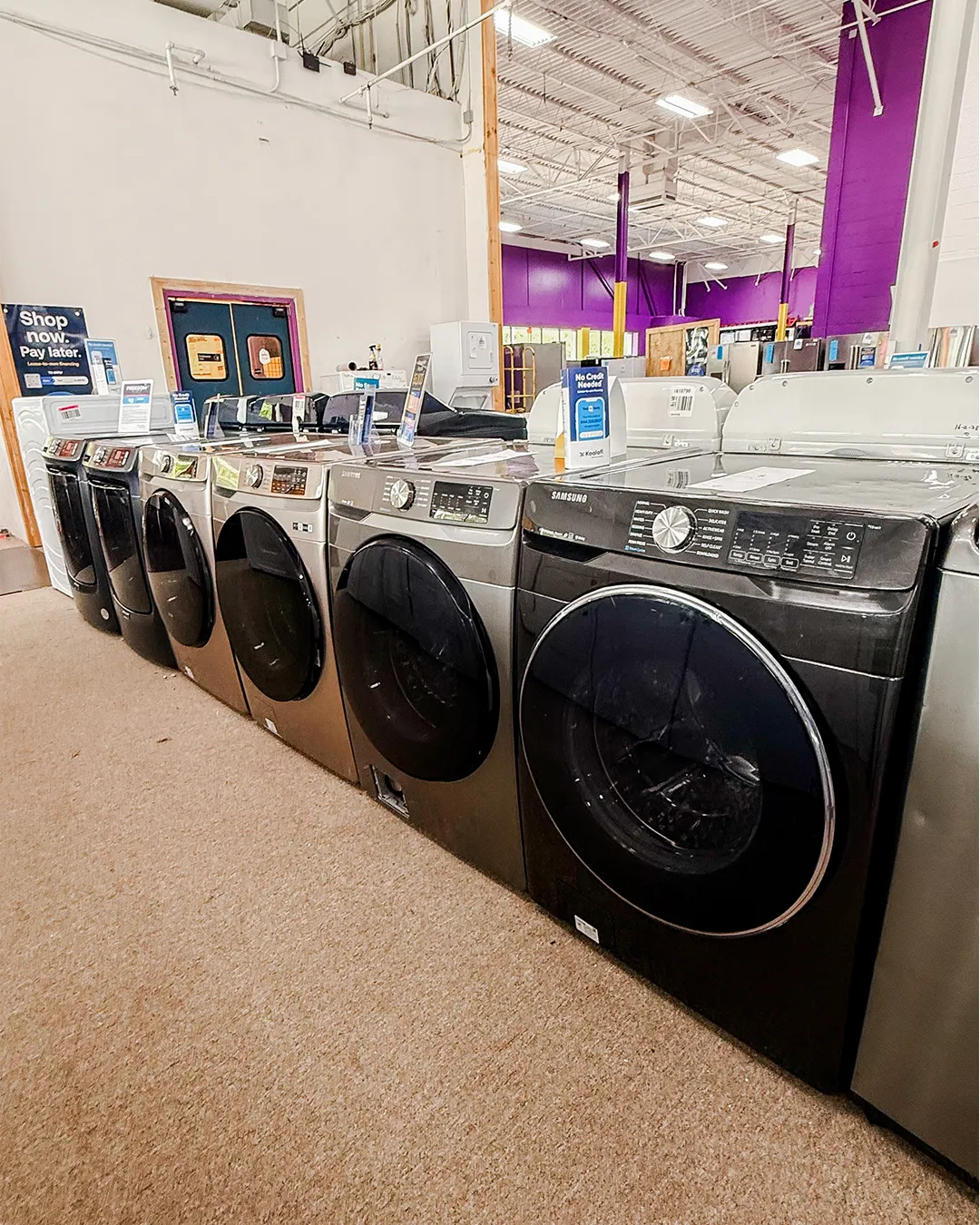
The Dryer Buying Guide Lilburn Homes Need
Capacity, moisture sensors, and features — how to pick the right dryer.
Buying a dryer should not feel like a pop quiz. So we made this simple dryer buying guide Lilburn shoppers can actually use. Whether you are furnishing a first home near Parkview or replacing a worn-out machine over in Rivermist, the same handful of choices decide which dryer is right for you. Capacity, moisture sensors, power type, and a few handy features. That’s it. Good news: once you know what to look for, picking a great dryer takes about ten minutes.
Here’s the thing. Dryers are not complicated, but a little know-how saves you from buying too big, too small, or with features you will never touch. Let’s walk through it together, step by step.
Step 1: Get the Capacity Right
Capacity is measured in cubic feet, and it matters more than any flashy button. Too small and you are running loads all night. Too big and you waste energy heating empty space. For most Lilburn households, a 7.0 to 7.4 cubic foot dryer is the sweet spot. It handles everyday loads and the occasional king comforter.
Live solo or as a couple near Old Town Lilburn? A 6.0 to 7.0 cubic foot dryer is plenty. Big family off Killian Hill Road with a mountain of soccer gear? Aim for 7.4 cubic feet or more. A simple rule from this dryer buying guide Lilburn tip sheet: your dryer should be about twice the drum size of your washer, so a full wash load fits with room to tumble.
Step 2: Look for a Moisture Sensor
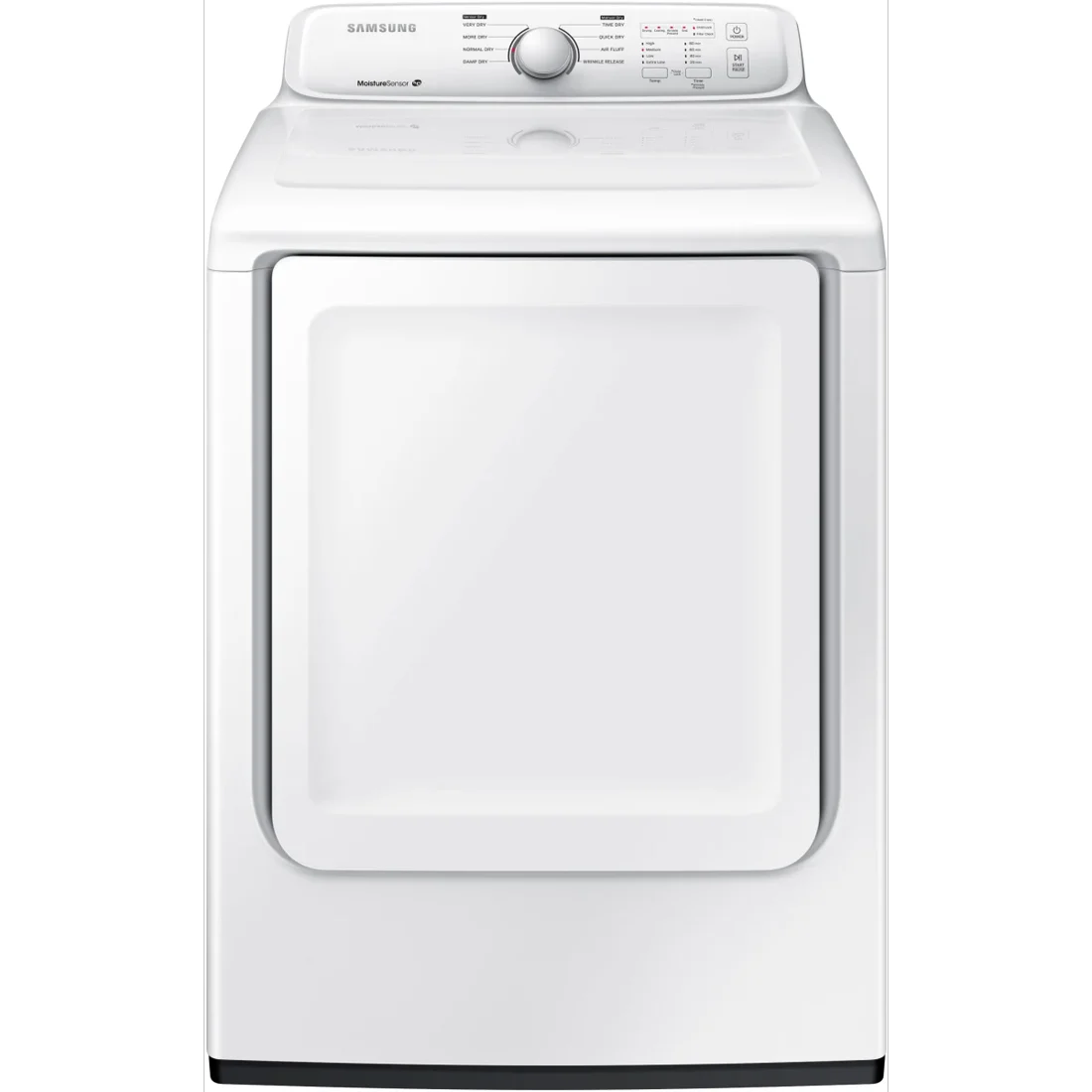
This is the feature worth caring about. A moisture sensor checks how wet your clothes are and shuts the dryer off when they are done, instead of running on a timer. That saves energy, protects your fabrics from over-drying, and keeps your bills down.
Older timed dryers just run for a set number of minutes, so they often cook clothes long after they are dry. That wears out shirts and wastes power. A sensor-dry model fixes both. If you compare only one feature in this whole guide, make it the moisture sensor. You can see which models have sensor drying on our floor.
Step 3: Match the Power Type to Your Home
Next, check your hookup. Electric dryers need a big 240-volt outlet. Gas dryers need a gas line and a standard plug. Peek at your laundry room wall before you shop. Older homes near Indian Trail sometimes have gas; newer builds usually run electric.
Do not stress if you are not sure. Snap a photo of your outlet and bring it in. Our team will tell you exactly which type fits. Matching the machine to your existing hookup saves you the cost of adding a new line or outlet, which keeps this whole project cheap and easy.
Quick Recap Before Features
Let’s pause and check our list. Right capacity for your household? Check. Moisture sensor for smart drying and lower bills? Check. Power type matched to your wall? Check. Nail those three and you have already picked a great dryer. Everything after this is just nice-to-have.
Speaking of extras, do not overpay for buttons you will never press. A steam cycle to smooth wrinkles is genuinely handy. Wi-Fi that pings your phone? Fun, but skip it if it costs more than it is worth to you. For the official rundown on efficiency labels, the ENERGY STAR clothes dryer page is a solid, unbiased resource.
Step 4: Handy Features Worth Considering
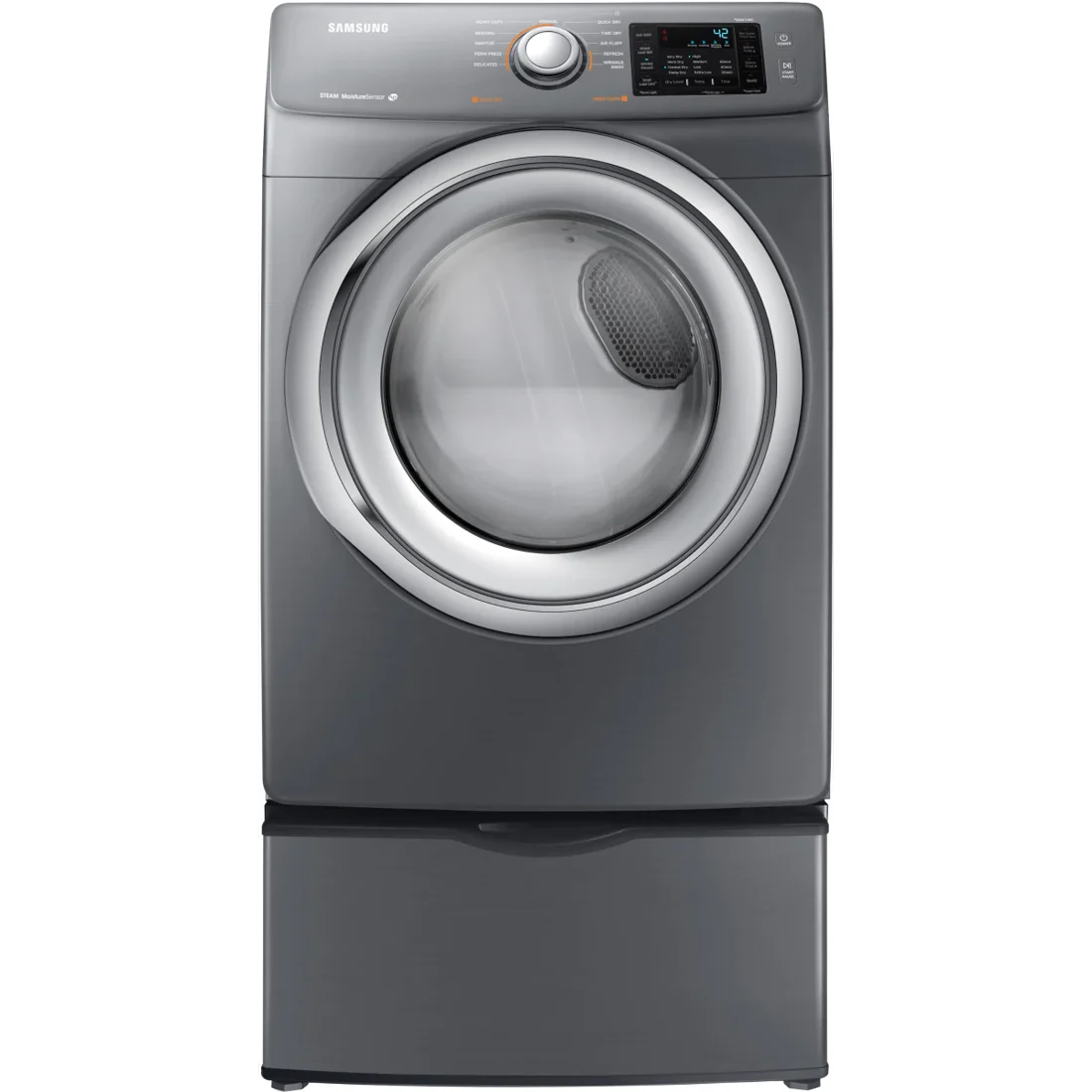
A few features earn their keep. Steam cycles relax wrinkles so you iron less. Sanitize cycles use extra heat, nice for baby items or when someone’s been sick. A wrinkle-prevent setting tumbles now and then after the cycle ends, so clothes do not sit and crease if you get busy.
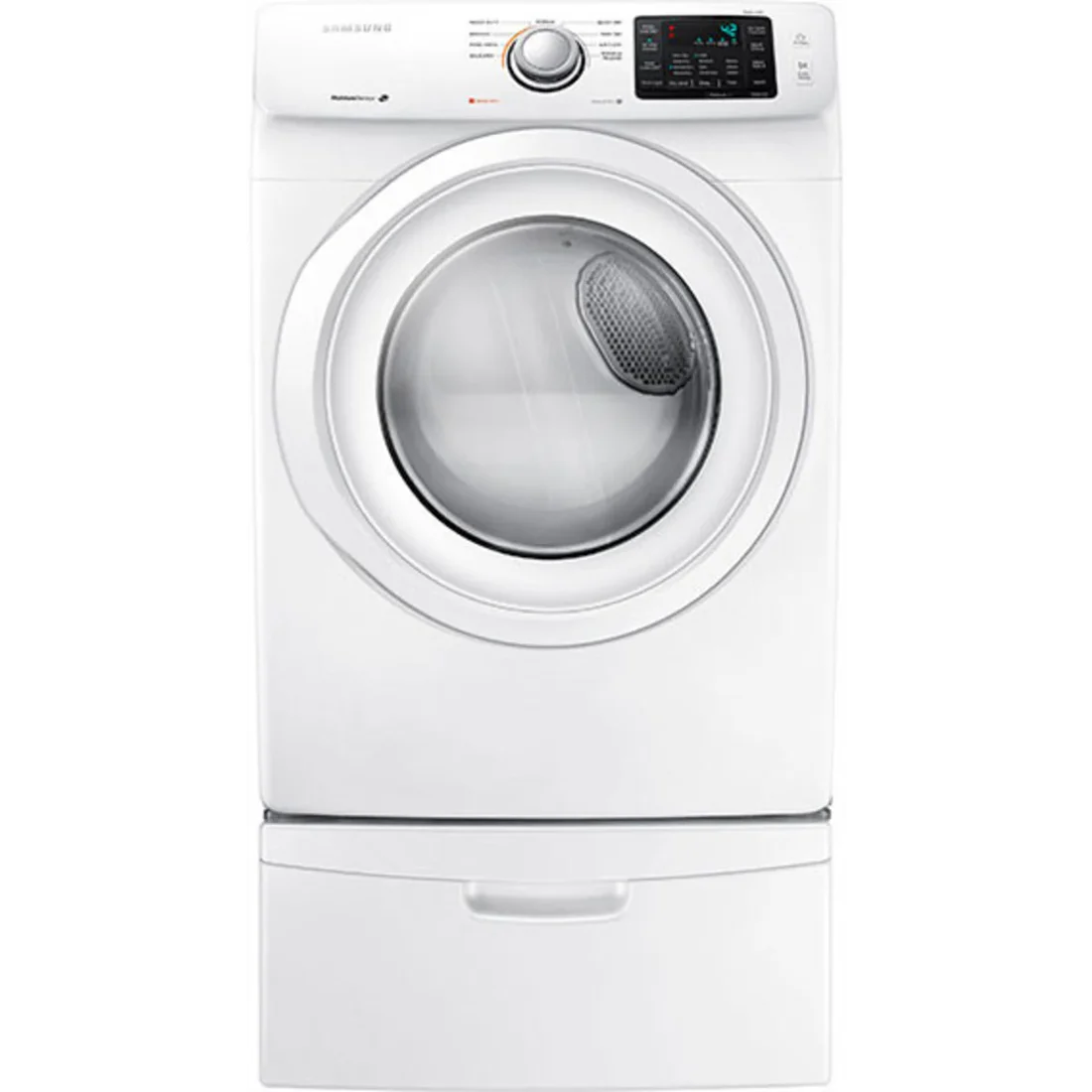
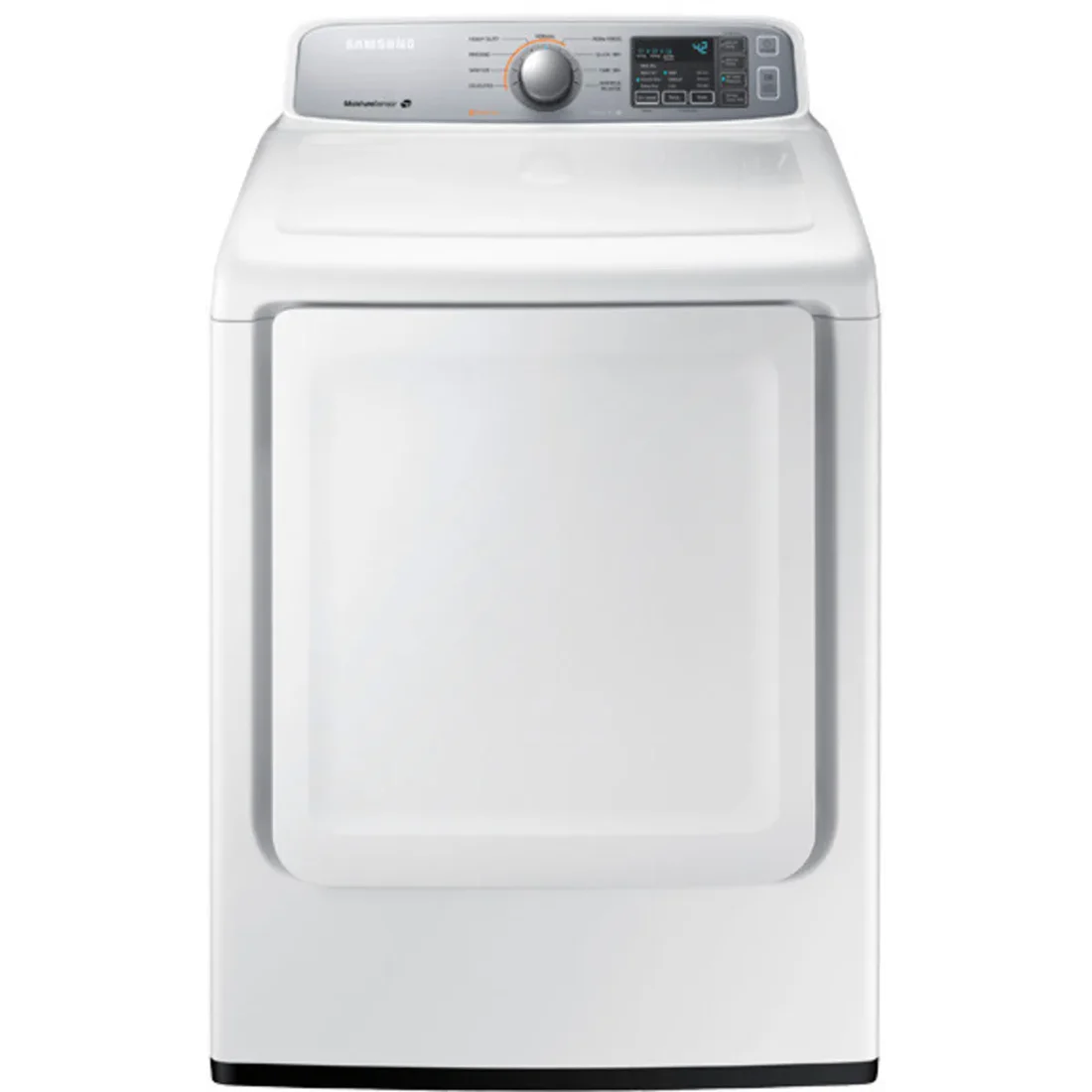
Also think about the door swing and where the machine will sit. In a tight laundry closet, a reversible door is a small feature that makes a big difference. Bring your measurements. Our team helps folks from Lilburn size machines to their space every single day, and one favorite pick is this versatile LG DLEX3370W.
Step 5: Shop Smart and Save
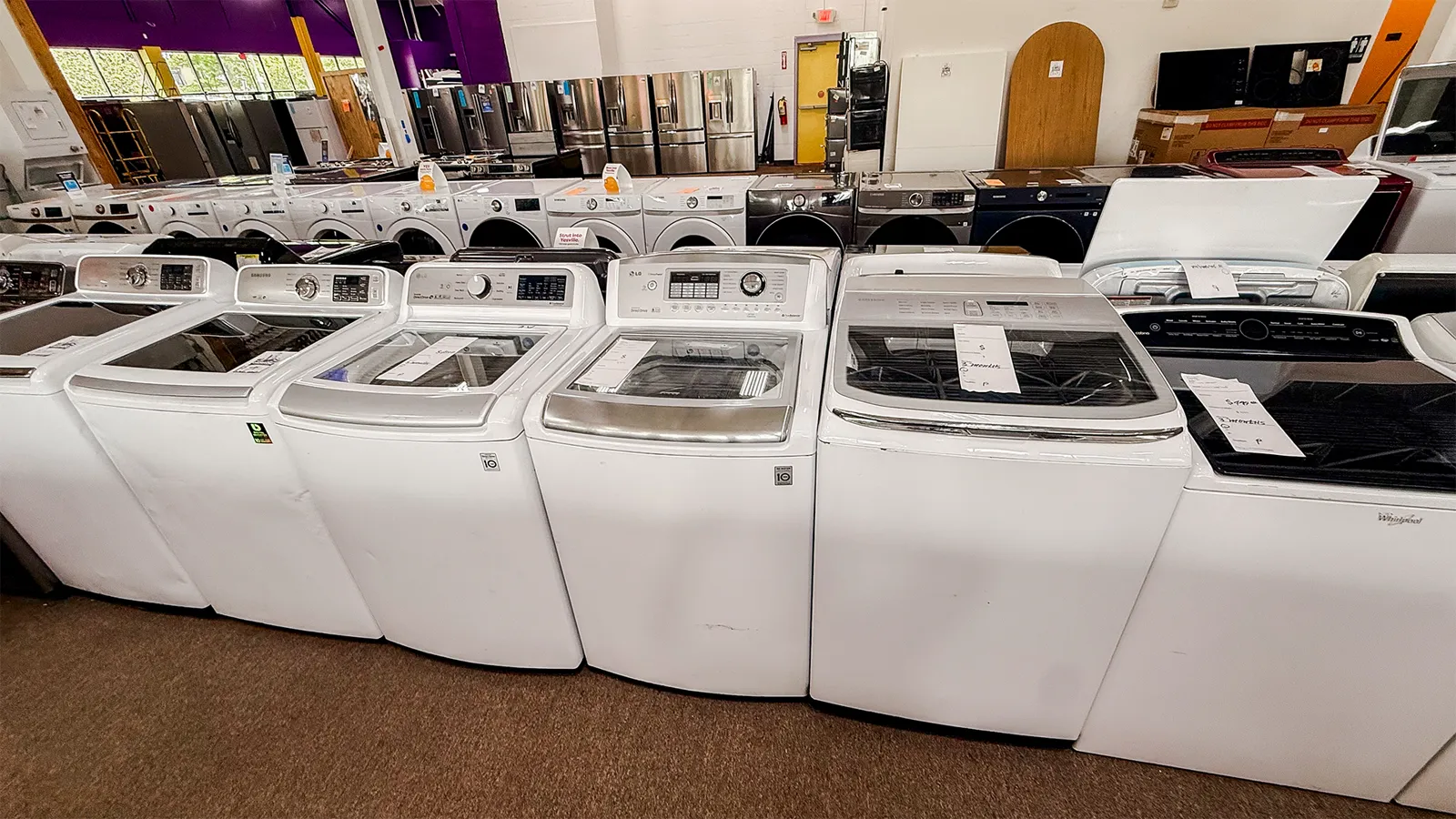
Here’s the best step. Once you know what you want, buy it for way less at an appliance outlet. Our dryers run 60 to 70 percent below retail, mostly scratch-and-dent units with a tiny ding and a huge price cut. New units carry a 1-year warranty; pre-owned carry 3 months. And if you would rather spread the cost, we offer no-credit-needed financing through American First Finance, Acima, Snap, and Koalafi, so you can split it into easy payments.
Getting to us from Lilburn is simple. We serve Snellville, Stone Mountain, Tucker, Norcross, Mountain Park, Grayson, Lawrenceville, and Duluth, and our Lawrenceville store sits at 134 South Clayton Street. You can find both store locations here. After a morning walk at Yellow River Wildlife Sanctuary, swing by and put this guide to work. Lilburn, you’ve got this.
Common Dryer Questions
For most households, a 7.0 to 7.4 cubic foot dryer is ideal. Singles and couples can go smaller at 6.0 to 7.0, while big families should aim for 7.4 or more. A good rule is a dryer about twice the drum size of your washer.
Yes. A moisture sensor stops the cycle when clothes are dry instead of running on a timer. That saves energy, lowers your bills, and protects fabrics from over-drying. It is the one feature we tell everyone to prioritize.
Check your laundry room wall. A large 240-volt outlet means electric; a gas valve with a standard plug means gas. Bring a photo of your hookup and our team will confirm which type fits your home.
Steam cycles for wrinkles, a sanitize setting, and wrinkle-prevent tumbling are genuinely handy. Wi-Fi and app features are nice but optional. Don’t pay extra for buttons you won’t use.
Definitely. Our name-brand dryers run 60 to 70 percent below retail, and no-credit-needed financing lets you pay over time. You get the features you want without the big-box price tag.
Find Your Perfect Dryer
Right size, right features, 60–70% off retail. Call or visit and we’ll help you choose.