When To Replace Mattress: Simple Signs It’s Time
Not sure if your bed is done? Here are the easy clues that tell you when to swap it out.
Wondering when to replace mattress after mattress, night after restless night? You’re not alone. Most people hang onto a bed way too long, mostly because they’re not sure what “too long” even means. Good news: figuring out when to replace mattress is easier than you think. You don’t need a repair guy or a lab test. Your body and your bed will drop plenty of hints. Let’s walk through them together so you can sleep like a champ again.
Here’s the thing. A mattress is the one thing you use about eight hours every single night. That’s a third of your life on the same slab of foam and springs. So when it wears out, it doesn’t just feel bad. It messes with your back, your mood, and your morning. The trick is spotting the signs early, before you turn into a grumpy zombie who blames the coffee.
How Old Is Your Mattress?
Age is the first big clue. Most beds are built to last about 7 to 10 years. Some cheaper ones tap out around 5. So if you can’t even remember the year you bought it, that’s a sign right there. A good rule: flip your calendar back a decade. If your mattress is older than that, it has likely done its job.
Of course, age alone isn’t the whole story. A well-cared-for bed can stretch a little longer, and a beat-up one can quit early. Still, once you cross that 8-year mark, start paying close attention to how you feel each morning.
You Wake Up Sore and Stiff
This is the loudest warning of all. If you go to bed feeling fine and wake up achy, your mattress is probably the culprit. A worn-out bed stops supporting your spine the right way. So your muscles work overtime all night trying to hold you up.
Here’s a quick test. Notice how you feel after sleeping somewhere else, like a hotel or a friend’s place. Feel better away from home? That’s a huge red flag. Your own bed should be the comfiest spot around, not the reason your lower back is yelling at you.
You Can See or Feel Sagging
Stand back and look at your bare mattress. See a dip where you sleep? Notice a lump or a valley in the middle? That sagging means the inside has broken down. Once foam and coils lose their bounce, they can’t come back.
You can also feel it. If you roll toward the middle without meaning to, or if the edges feel like they might dump you on the floor, the support is gone. A solid bed should feel even from side to side. When it starts to slope, it’s time to know when to replace mattress support before your sleep suffers more.
Your Sleep Has Gotten Worse
Sometimes the clues aren’t in the bed. They’re in your night. Are you tossing and turning more? Waking up at 3 a.m. for no reason? Struggling to get comfy no matter how you lie? An old mattress can quietly wreck your rest without you noticing why.
Bad sleep piles up fast. You get foggy, cranky, and worn down. So if your nights have slowly turned rough, don’t just blame stress or screens. Your bed might be the sneaky troublemaker.
A Quick Re-Hook: Trust How You Feel
Let’s pause here. If you take one thing from this, make it this: your body knows. You don’t need a checklist to tell you a bed is worn out when you’re waking up sore every day. That feeling is real data. So the question of when to replace mattress often answers itself once you start listening. A great bed should make you forget it’s even there.
Allergies, Dust, and Wear
Old mattresses collect stuff over the years. Dead skin, dust mites, sweat, you name it. If your allergies flare up at night or first thing in the morning, your bed could be holding onto allergens no wash can fully fix. According to the EPA’s guidance on indoor air and bedding, keeping a clean sleep surface matters for the air you breathe all night.
Watch for these signs of wear too:
- Lumps and bumps: The padding has clumped up and can’t spread out anymore.
- Squeaks and creaks: Worn coils make noise every time you move.
- Stains and smells: A tired mattress hangs onto odors even after cleaning.
- Visible edges breaking down: The sides feel soft and give way when you sit.
Does a New Mattress Have to Cost a Fortune?
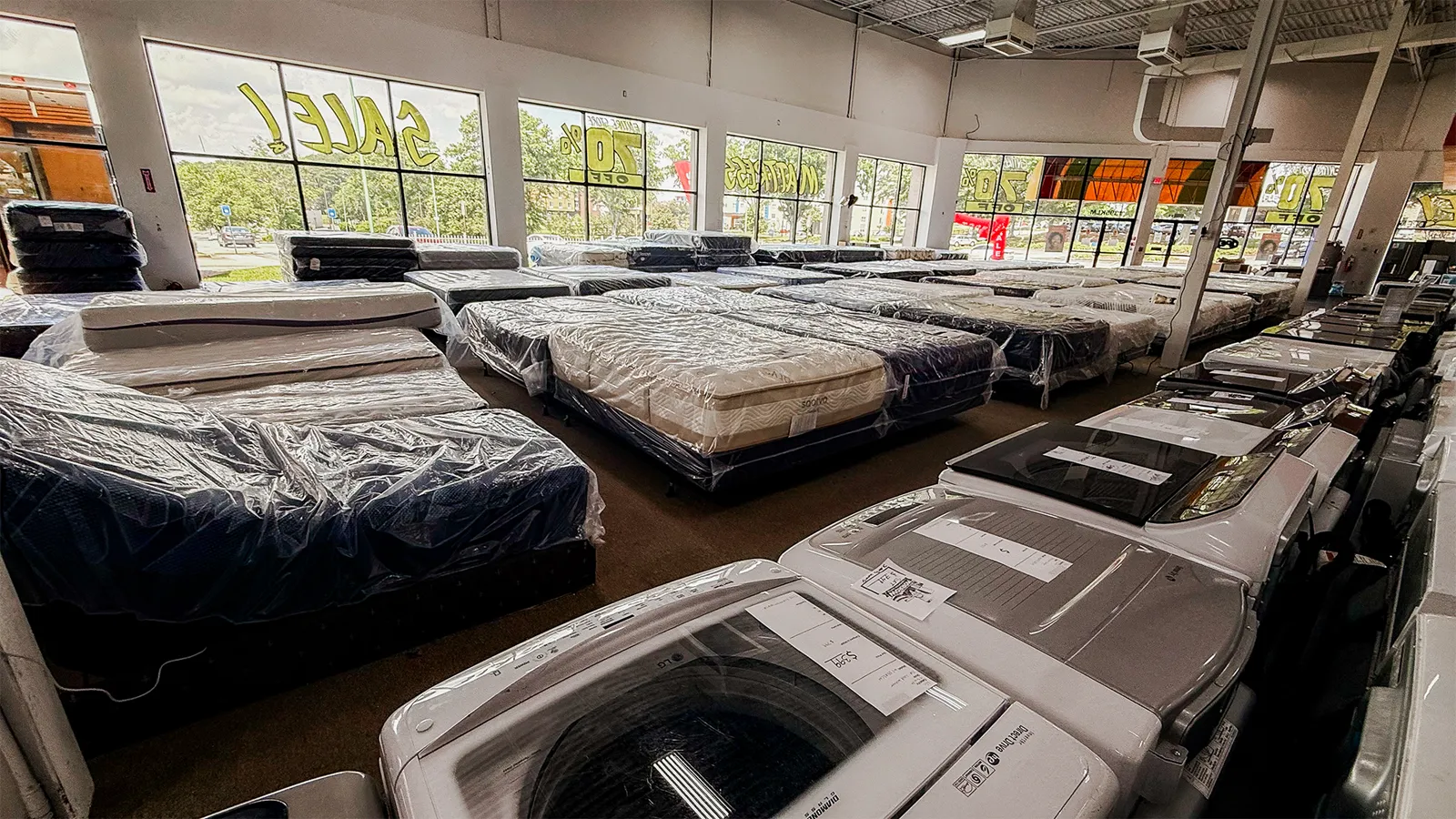
Here’s the part people worry about most. Replacing a bed sounds pricey, so folks put it off. But it doesn’t have to hurt your wallet. At an outlet like ours, you’re getting closeout and overstock models, so you save 60 to 70 percent off retail. That means a comfy new queen can start around $399. You can browse our full lineup of brand-name mattresses in stock and feel each one before you buy.
Want even more savings? Our closeout bed collection is packed with quality beds at deep markdowns. So the fear of a huge bill shouldn’t keep you sleeping on a worn-out mattress one more night.
What If Money Is Tight Right Now?
We get it. Even a great deal can feel like a lot all at once. That’s why we offer no-credit-needed options through our flexible payment partners like Snap, Acima, and Koalafi. You can take home a fresh bed today and pay over time. So good sleep doesn’t have to wait for payday.
Knowing when to replace mattress is one thing. Actually doing it without stress is another. With affordable pricing and easy payments, there’s really no reason to keep suffering on a saggy old bed.
Come See Us and Sleep Better
Reading about worn-out beds is one thing, but lying on a fresh one is where it clicks. We’ve got soft, medium, and firm beds lined up and ready, plus friendly folks who won’t pressure you. Stop by either of our Metro Atlanta showrooms in Lawrenceville or Morrow, take your time, and find the bed that makes you forget your old one. Your back, your mood, and your mornings will thank you.
Common Questions
Most mattresses last 7 to 10 years. Cheaper models may only go 5 years. Once your bed passes the 8-year mark, keep a close eye on how you feel in the morning and check for sagging.
The biggest signs are waking up sore, seeing a visible dip or sag, rolling toward the middle on your own, and sleeping better away from home. Flared-up allergies at night can also mean your bed is worn out.
Yes. When a bed sags, it stops keeping your spine straight, so your muscles strain all night. That often leads to stiffness and lower back pain in the morning. A supportive new bed usually clears it up.
Sometimes, yes. A bed can look fine on top but lose support inside where you can’t see it. If you wake up achy or sleep poorly, the inside is likely worn even if the surface looks clean.
No. At our outlet you save 60 to 70 percent off retail on closeout and overstock beds, with queens starting around $399. Plus, no-credit-needed financing lets you pay over time and sleep on it tonight.
Trade That Tired Bed for a Fresh One
Stop waking up sore. Get a new mattress for 60 to 70 percent off retail with no credit needed. Come lie down and feel the difference today.