Mattress Density Guide: What the Numbers Mean
Density decides how long your bed lasts and how it feels. Here’s the plain-English version.
Shopping for a bed and keep hearing the word “density”? You’re not alone, and it’s not as confusing as the salespeople make it sound. This mattress density guide breaks it all down in simple terms so you know exactly what you’re paying for. Here’s the short version: density is how much material is packed into the foam, and it tells you a lot about how long your bed will last. Good news: once you get it, you’ll shop like a pro.
Here’s the thing. Density is not the same as firmness. That trips up a lot of folks. A dense bed can feel soft, and a low-density bed can feel firm. Density is really about durability and support over the years. So this mattress density guide will help you spot a bed that holds up instead of sagging after a year. Let’s dig in.
What Is Mattress Density?
Density measures how much foam is packed into one cubic foot of the mattress. It’s listed in pounds per cubic foot, or PCF. A higher number means more material and usually a longer-lasting bed. A lower number means lighter, airier foam.
Think of it like bread. A dense loaf is heavy and holds its shape. An airy loaf is light and squishes flat fast. Foam works the same way. So when this mattress density guide talks about high or low density, it’s really talking about how much stuff is inside holding you up.
Density vs. Firmness: Not the Same Thing
This is the point most shoppers miss, so let’s make it crystal clear.
- Firmness is how hard or soft the bed feels when you lie down.
- Density is how much material is packed in, which affects durability and support.
You can have a high-density bed that feels soft and a low-density bed that feels firm. They’re two separate things. So don’t judge a bed’s lifespan by how it feels. A plush bed can still be built to last if the foam is dense. This is the biggest lesson in any mattress density guide.
Foam Density Ranges Explained
Different foams have different density sweet spots. Here’s a handy map for memory foam.
Low Density (2.5 to 3.5 PCF)
Lighter and airier. It sleeps a bit cooler and costs less, but it may soften faster over the years. Fine for a guest room or a kid’s bed you’ll swap out sooner.
Medium Density (3.5 to 5 PCF)
The crowd favorite. It balances comfort, support, and durability. Most quality beds land here, so it’s a safe target for a main bedroom.
High Density (5 PCF and up)
Heavy and long-lasting. It gives great support and holds its shape for years. It can trap a little more heat and cost more, but it’s built to go the distance.
A Quick Re-Hook: Density Is About the Long Game
Let’s pause for a second. This mattress density guide isn’t here to make you memorize numbers. It’s here to help you buy a bed that still feels great three, five, even ten years from now. A low-density bed might feel amazing in the store and sag by next winter. A well-built bed keeps supporting you night after night. So think about the long game, not just the first squeeze. Our team can walk you through the full lineup of brand-name beds in stock and tell you what’s inside each one.
Why Density Matters for Your Wallet
Here’s where density really pays off. A denser bed usually lasts longer, so you replace it less often. That means more value over time, even if the sticker is a bit higher. On the flip side, a super cheap bed with low-density foam can sag fast and cost you more in the long run.
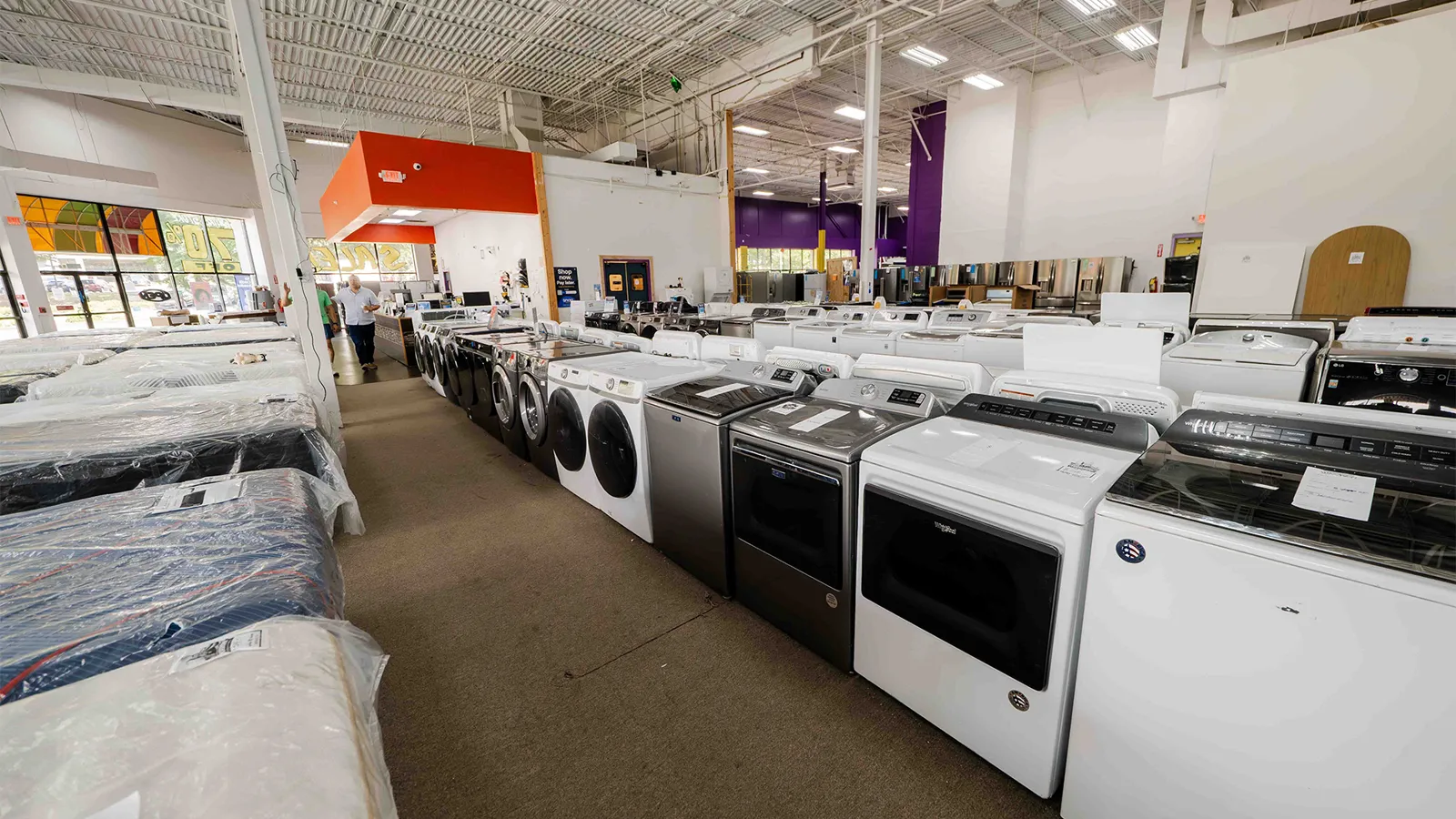
The trick is finding the sweet spot: good density at a fair price. That’s exactly what a smart outlet shopper does. You get quality foam without the retail markup, so your dollar stretches further. We carry a wide mix of quality beds across our closeout mattress selection, with queens starting around $399.
How to Check Density When You Shop
You can’t always see density with your eyes, but you can spot clues. Try this when you’re in the store.
- Ask the staff for the foam density in PCF. A good outlet will tell you straight.
- Press firmly and let go. Quality dense foam springs back slowly and evenly.
- Lift a corner if you can. Denser beds feel heavier for their size.
- Check the warranty. Longer coverage often points to denser, tougher materials.
Feeling the bed in person beats reading a spec sheet every time. You get to press, lie down, and ask questions. And you leave knowing your bed is built to last, not just guessing.
Does Higher Density Cost More?
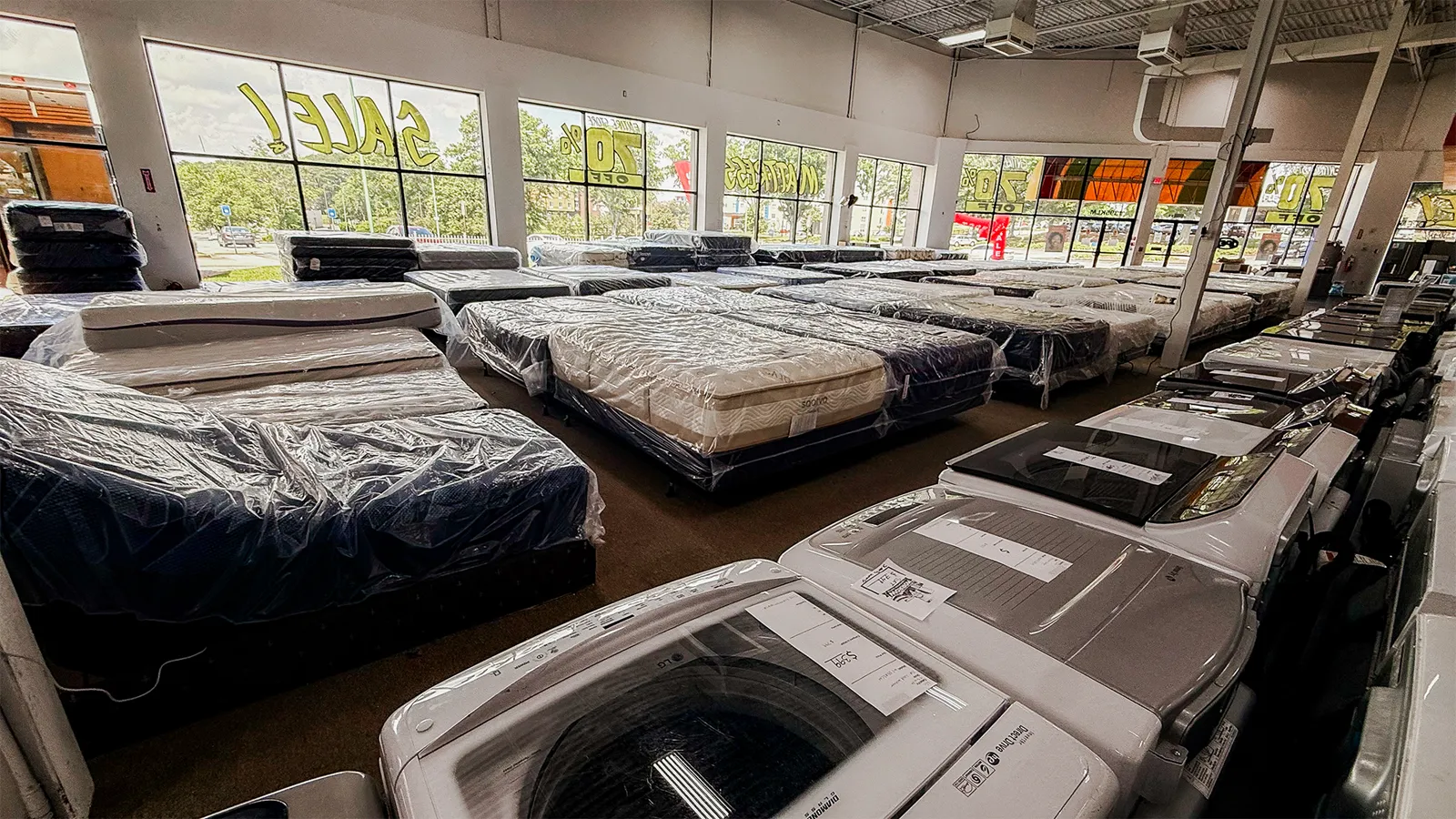
Sometimes, but not at an outlet. At a store like ours, you’re getting closeout and overstock models, so you save 60 to 70 percent off retail even on dense, high-quality beds. And if paying all at once isn’t ideal, we offer no-credit-needed options through our flexible payment partners like Snap and Acima. So a durable, well-built bed stays easy on your budget.
Come See the Quality in Person
Reading about density only gets you so far. The real test is feeling the foam and asking what’s inside. We keep soft, medium, and firm beds lined up and ready, with friendly folks who’ll answer every question. Stop by either of our Metro Atlanta showrooms in Lawrenceville or Morrow, take your time, and find a bed built to last. For more on how mattress materials hold up, the non-profit Sleep Foundation’s guide to mattress materials is a helpful read. So trust your body, test the bed, and buy smart.
Common Questions
Not always. Higher density lasts longer and gives strong support, but it can trap heat and cost more. Medium density is the sweet spot for most people because it balances comfort, durability, and price. Match density to how you sleep and how long you want the bed to last.
For memory foam, 3.5 to 5 pounds per cubic foot is a solid range for a main bedroom. It holds up well without feeling too heavy or hot. Below that is fine for guest rooms, and above that is extra durable.
No, they’re separate. Density is how much material is packed in, and firmness is how hard or soft the bed feels. A dense bed can feel soft, and a low-density bed can feel firm. Judge feel and durability separately.
A lot. Denser foam holds its shape longer, so the bed resists sagging over the years. Low-density foam is lighter and can soften faster. If you want a bed to last, density is one of the best clues to check.
No. At our outlet you save 60 to 70 percent off retail even on dense, high-quality beds. No-credit-needed financing keeps a durable bed easy on your budget.
Buy a Bed Built to Last for Less
Get quality, dense foam at 60 to 70 percent off retail with no credit needed. Come see the difference and find your match today.