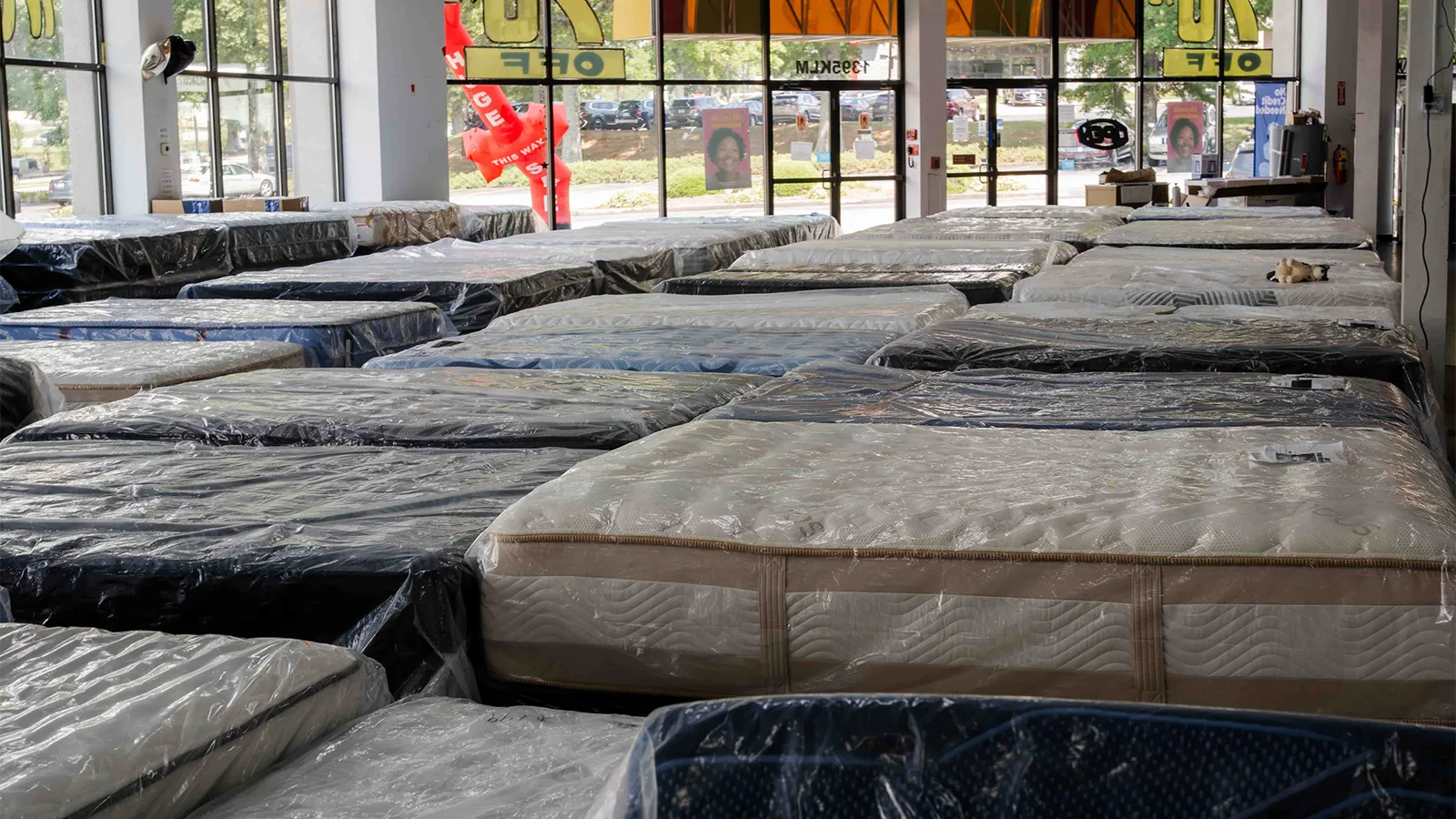
How Long Does a Mattress Last? A Simple Answer
Learn the real lifespan of every mattress type and how to squeeze the most years out of yours.
You bought a mattress a few years back, and now you’re wondering: how long does a mattress last, really? It’s a fair question, because a bed is a big buy and you want it to earn its keep. Here’s the short answer to how long a mattress last: most last about 7 to 10 years. But the exact number depends on the type, how you treat it, and who’s sleeping on it. So let’s dig into the details together.
Because a worn-out mattress robs you of good sleep, knowing when yours is fading is worth a few minutes. And don’t worry — even if yours is on its last legs, replacing it costs way less than you think.
The Short Answer by Mattress Type
Not all mattresses age the same way. Some materials hold up for a decade, while others start sagging sooner. Here’s a quick breakdown of how long a mattress last based on what it’s made of.
Lifespan by Type
- Innerspring: about 6 to 8 years before the coils soften.
- Memory foam: around 8 to 10 years with good care.
- Latex: the champ, often 12 to 15 years.
- Hybrid: roughly 7 to 10 years, depending on the build.
- Pillow-top: about 5 to 7 years, since the top layer packs down.
So if you know what your bed is made of, you’ve got a good ballpark. Latex lasts longest, and pillow-tops tend to fade first.
What Wears a Mattress Out Faster
A mattress doesn’t just age on its own — how you use it matters a lot. Heavier sleepers put more pressure on the materials, so they may see wear sooner. Kids jumping on the bed doesn’t help either, though we won’t tell.
Here’s the thing: little habits add up. Sleeping in the same spot every night, skipping a protector, or using a weak frame all speed up sagging. The good news is most of these are easy to fix, and we’ll get to that.
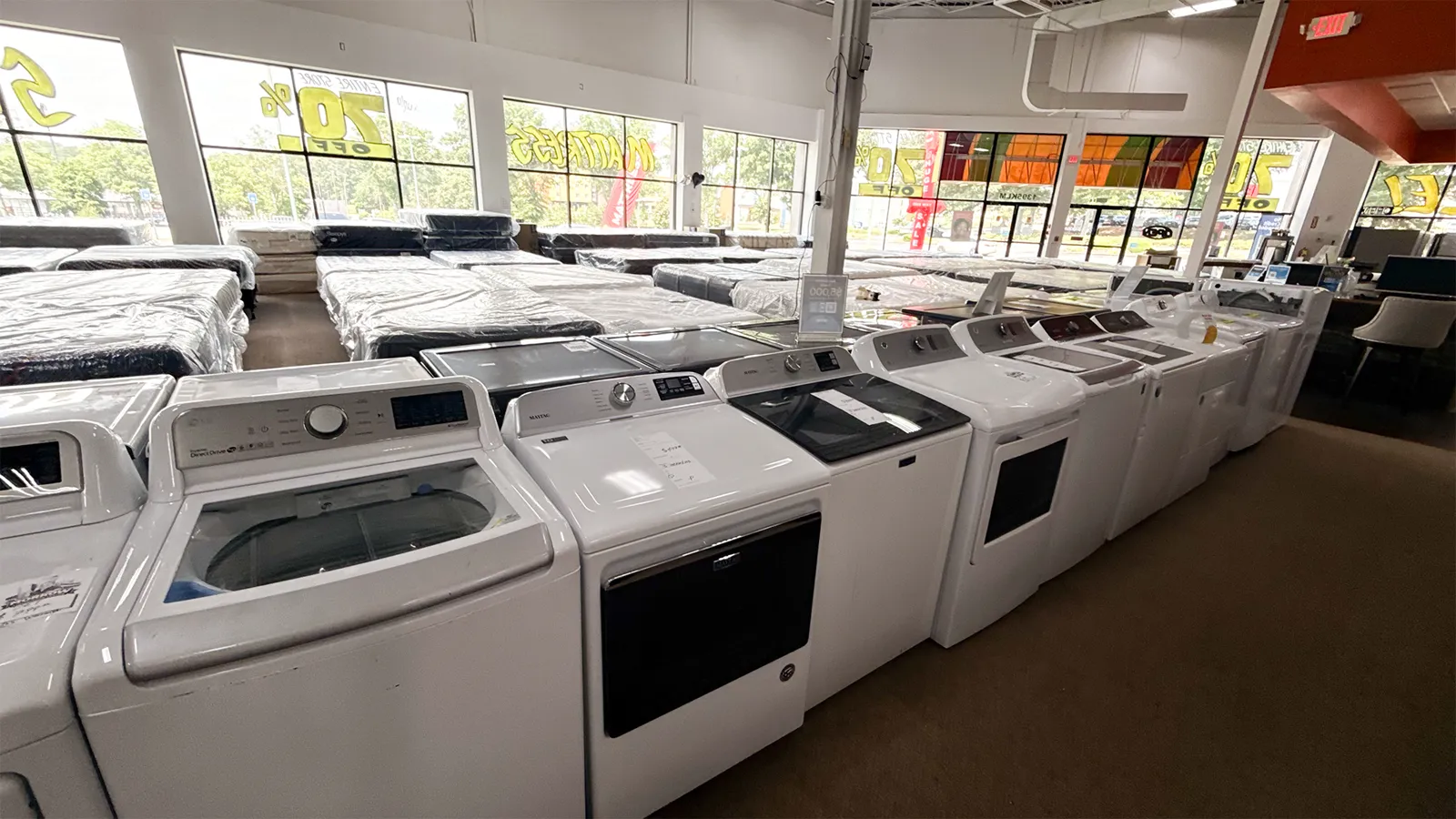
Signs Your Mattress Is Done
How do you know it’s time? Your body usually tells you. Watch for these clues that your mattress has hit the end of the road.
Telltale Warning Signs
- You wake up stiff, sore, or achy most mornings.
- There’s a visible dip, sag, or body-shaped valley.
- You sleep better in a hotel than at home.
- You hear creaks, or the springs poke through.
- Allergies or sniffles flare up at night.
If two or three of these sound familiar, your mattress is likely past its prime. And staying on it just means more rough mornings.
Why Old Mattresses Hurt Your Sleep
A sagging mattress doesn’t just feel bad — it throws off your whole night. When support fails, your spine falls out of line, and you toss and turn. The Sleep Foundation notes that an old, unsupportive mattress can lead to poor sleep and more aches. So an old bed isn’t just uncomfortable, it can leave you dragging all day.
Good sleep affects your mood, focus, and health. That’s why swapping out a tired mattress is one of the easiest upgrades you can make. Fresh support, better mornings. Simple as that.
How to Make Your Mattress Last Longer
Want more years out of your bed? A few simple habits go a long way. None of them cost much, and some cost nothing at all.
Easy Longevity Tips
- Rotate the mattress head-to-foot every few months.
- Use a solid frame with proper center support.
- Add a mattress protector to block sweat, spills, and dust.
- Wash your bedding regularly to keep things fresh.
- Skip sitting on the same edge every day.
Do these and you can add a year or two to your mattress. That’s a nice return for a little effort. When it’s finally time to replace, you can browse fresh options in our mattress collection and start over with something comfy.
When Replacing Beats Repairing
Sometimes a topper or a new frame buys you a little time. But once the core support is gone, no topper can fix it. So if your bed is over eight years old and sagging, replacing it usually makes more sense than patching it.
And replacing doesn’t have to break the bank. At our outlet, quality mattresses run 60 to 70 percent off retail through closeout and scratch-and-dent deals. Need to spread the cost? Our no-credit-needed payment plans let you split it into small payments and sleep better tonight.
Come Test Before You Buy
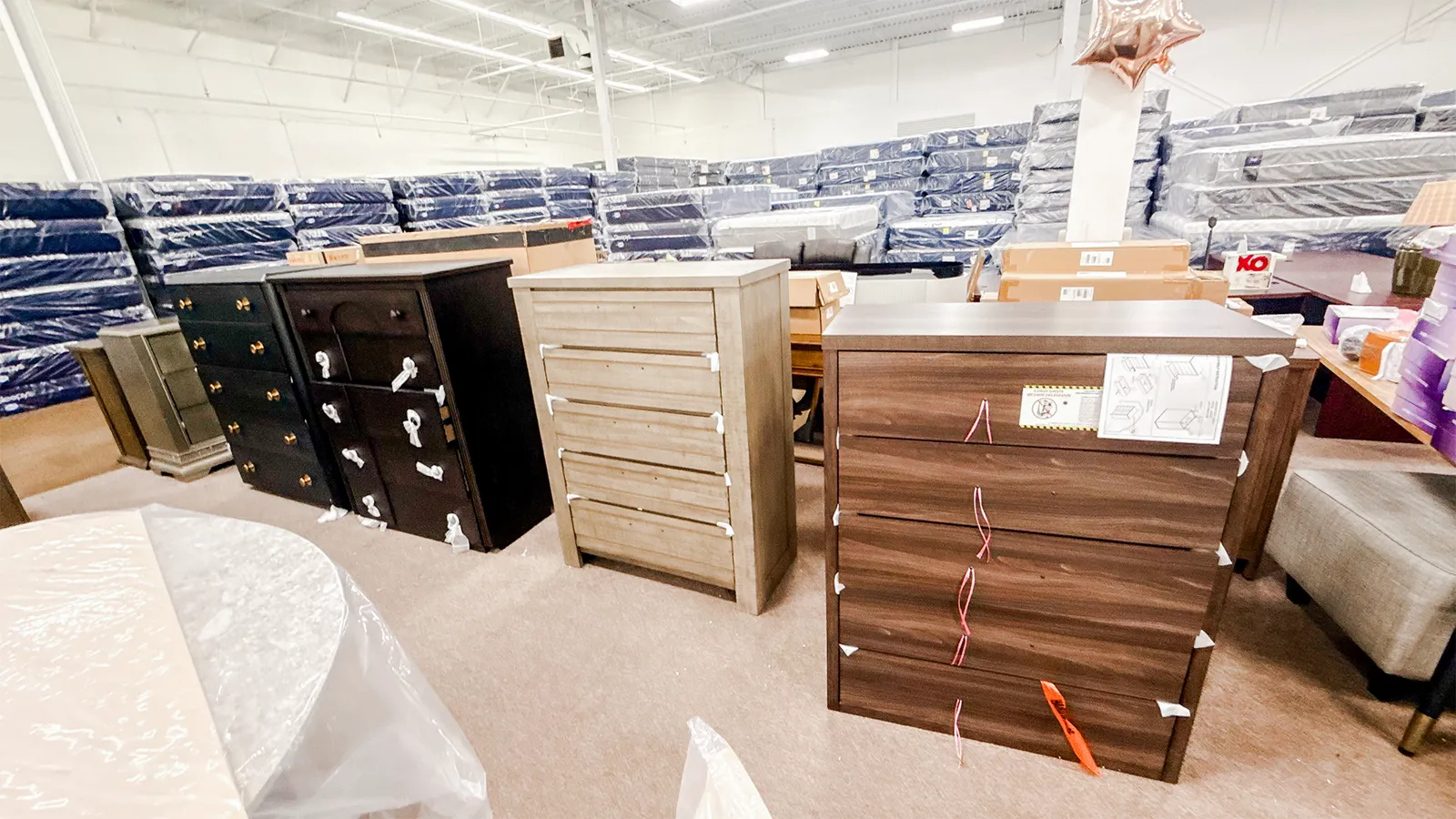
Numbers help, but comfort is personal. Both of our Metro Atlanta stores let you try out fresh mattresses so you can feel real support again. Find hours and directions on our store locations page and stop by whenever it suits you.
Lie down on a few, take your time, and notice the difference from your tired old bed. Our team is happy to help you find the right feel without any pushy sales talk.
The Quick Recap
So how long does a mattress last? Usually 7 to 10 years, with latex lasting longest and pillow-tops fading first. Watch for sagging, soreness, and rough mornings as your signs. Rotate the bed, use a protector, and keep a solid frame to stretch its life. And when it’s time, a fresh mattress at outlet prices is the easiest good-sleep upgrade around.
Common Questions
Most mattresses last about 7 to 10 years. The exact number depends on the type, how much weight it carries, and how well you care for it. Latex lasts longest, while pillow-tops tend to wear out first.
Latex mattresses are the most durable, often lasting 12 to 15 years. Memory foam and hybrids usually last 8 to 10 years, and innersprings around 6 to 8 years.
Watch for waking up stiff or sore, a visible sag or dip, sleeping better in hotels, or nighttime allergy flare-ups. If two or three of these sound familiar, it’s time for a new mattress.
Yes. Rotate it head-to-foot every few months, use a supportive frame, add a mattress protector, and wash your bedding often. These simple habits can add a year or two to its life.
Usually, yes. Our closeout and scratch-and-dent mattresses run 60 to 70 percent off retail, and no-credit-needed financing lets you split the cost into small payments and take it home the same day.
Time for a Fresh Mattress?
Trade sore mornings for real support at 60 to 70 percent off retail, with no credit needed.