Washer Buying Guide for Conley Homes
How to pick the right size, cycles, and features without overpaying.
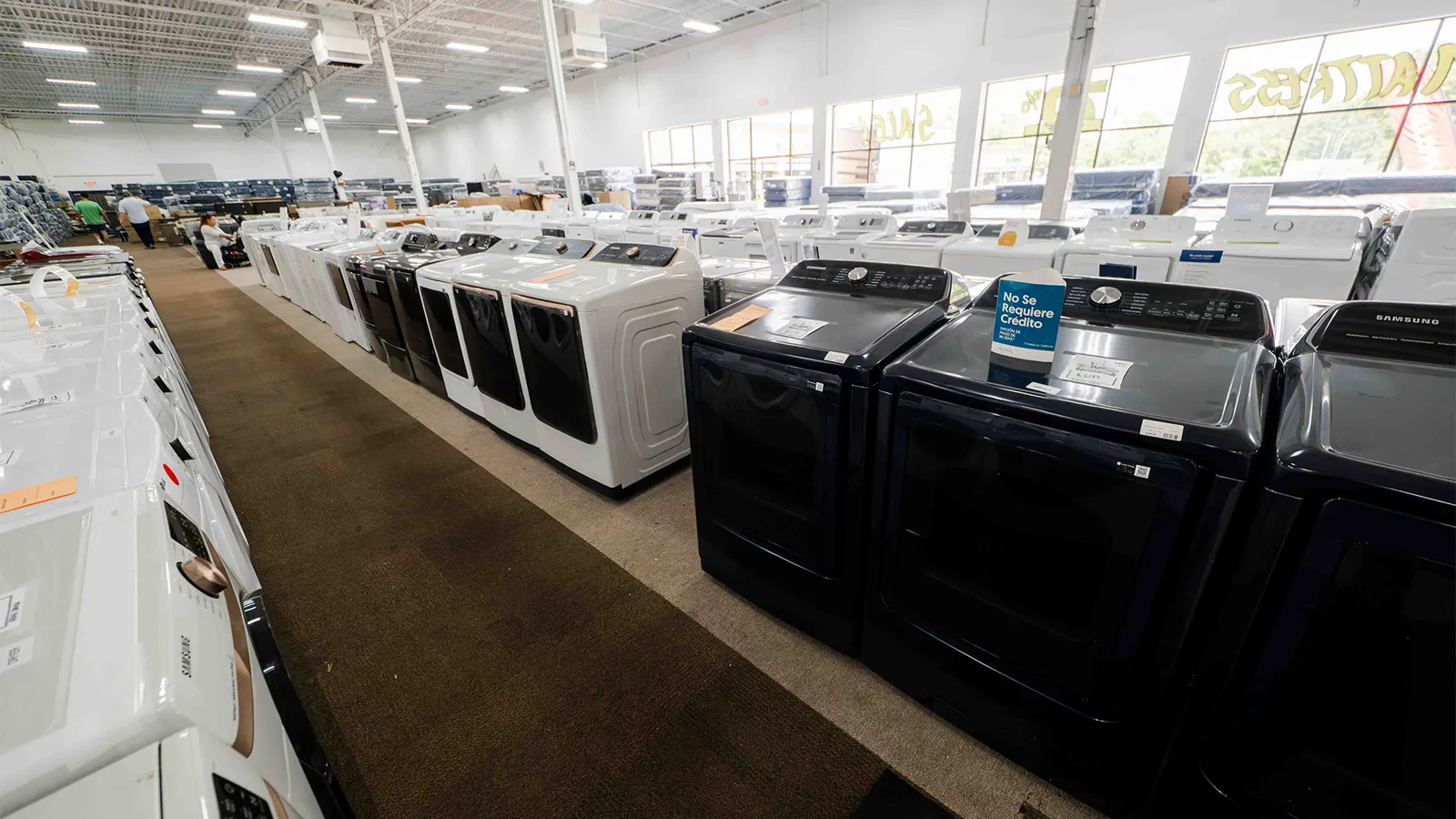
Shopping for a washing machine shouldn’t feel like a science project. So we put together this washer buying guide Conley shoppers can actually use, one step at a time. Here’s the good news up front: picking the right washer comes down to a few clear choices. Capacity, fit, cycles, and a couple of features you’ll really use. Nail those, and you’re set. And if you’re near Cove Lake Estates or Cedar Grove Commons, our Morrow store is a quick drive south to see everything in person.
A lot of folks buy on price alone, then get the machine home and it’s too small or won’t fit the laundry closet. So before you decide, grab a tape measure and think about your laundry habits. That’s where every smart washer purchase begins.
Step One: Measure Your Space
Start with the spot where the washer will live. Measure the width, height, and depth, then leave a few inches behind for hoses and around the sides for air flow. Front-load machines also need room for the door to swing open. Write your numbers down and bring them along. It’s the simplest step in any washer buying guide, and it saves a world of hassle.
Don’t forget the path in. Measure doorways, hallways, and tight corners so the washer can actually reach the laundry room. Once you’ve got your numbers, you can shop with confidence. Browse our full washer lineup and match the sizes to your space.
Step Two: Choose the Right Capacity
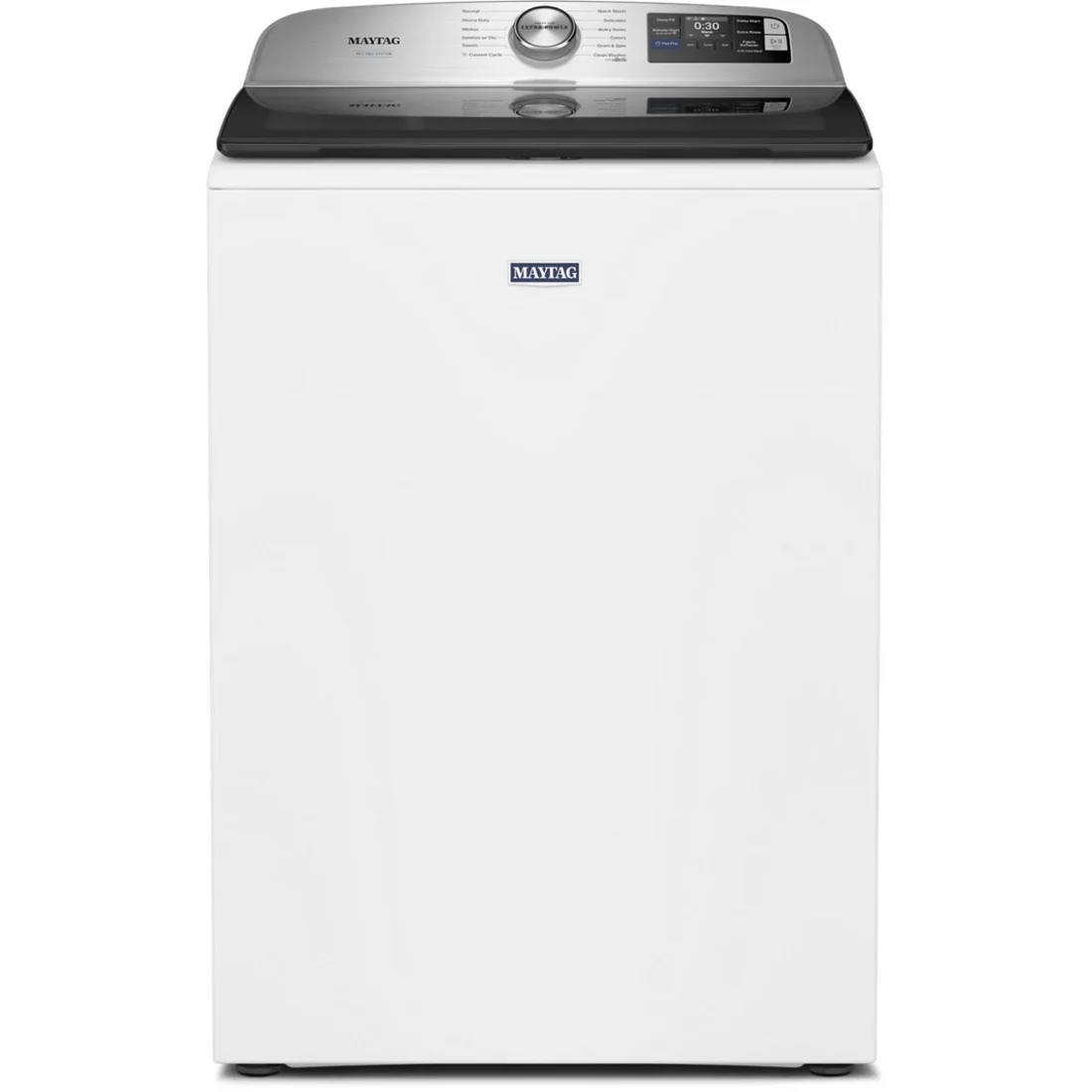
Washer capacity is measured in cubic feet, and bigger isn’t always better. A compact 3.5-cubic-foot machine suits a couple or a small apartment near Scottish Manor. A busy family usually wants 4.5 cubic feet or more so they can wash bedding and big loads in one go. Match the size to your real laundry pile, not to the flashiest model on the floor.
Think about your biggest regular load, too. If you wash comforters and bath towels often, lean larger. A roomy drum means fewer loads, which saves time, water, and energy. That’s a small choice that pays off every single week.
Step Three: Top-Load or Front-Load?
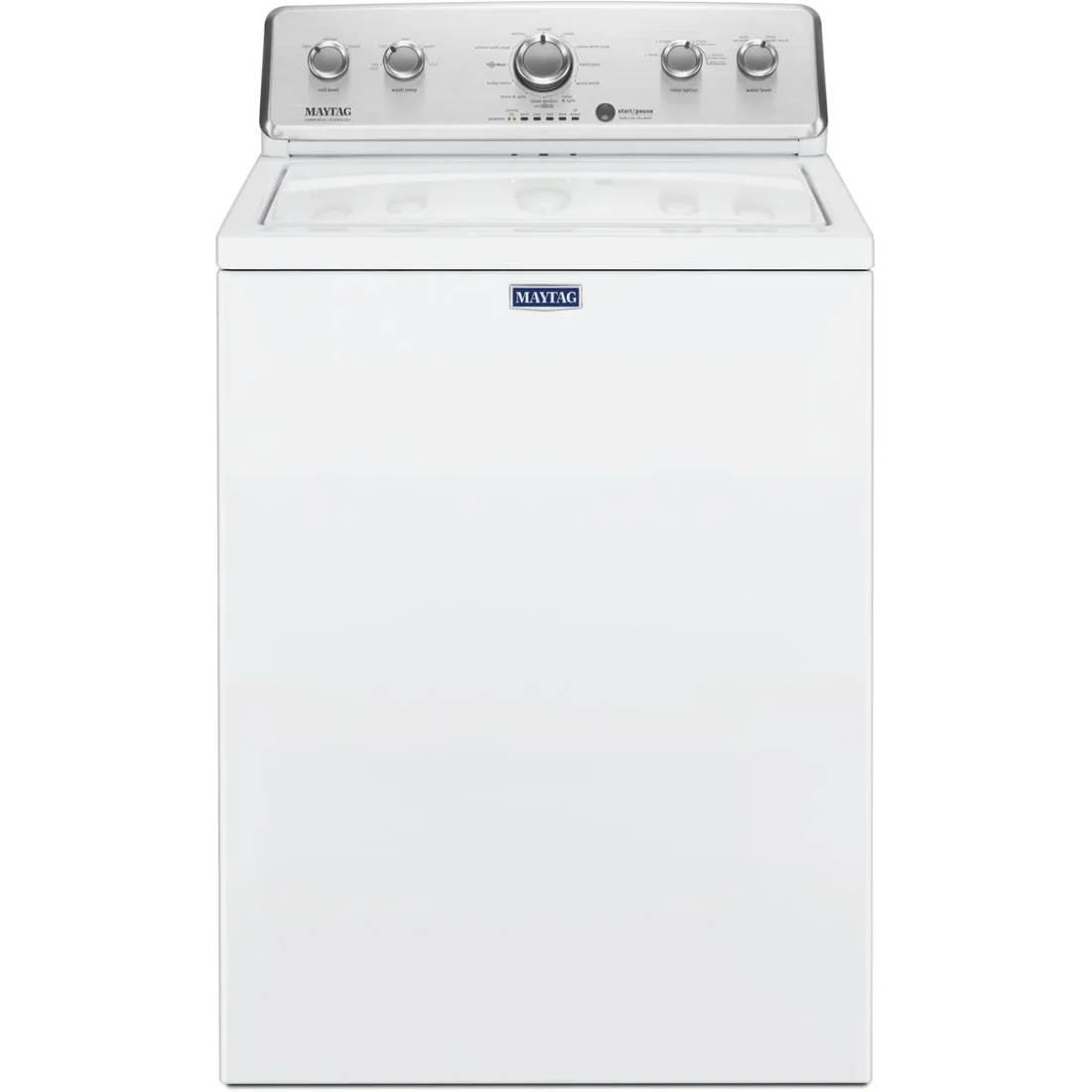
This is the big fork in the road. Top-load washers are easy to load without bending and usually cost less, so they’re a favorite for quick, simple laundry. Front-load washers use less water, spin faster, and get more into a smaller footprint, which helps in tight spaces. Both clean great, so it comes down to your budget and your back.
Quick reminder before we go on, because it’s easy to overthink this. The best washer is the one that fits your space and your habits, not the fanciest one with the most buttons. A dependable machine you can afford beats a dream model that busts your budget every time.
Step Four: Cycles and Features That Matter
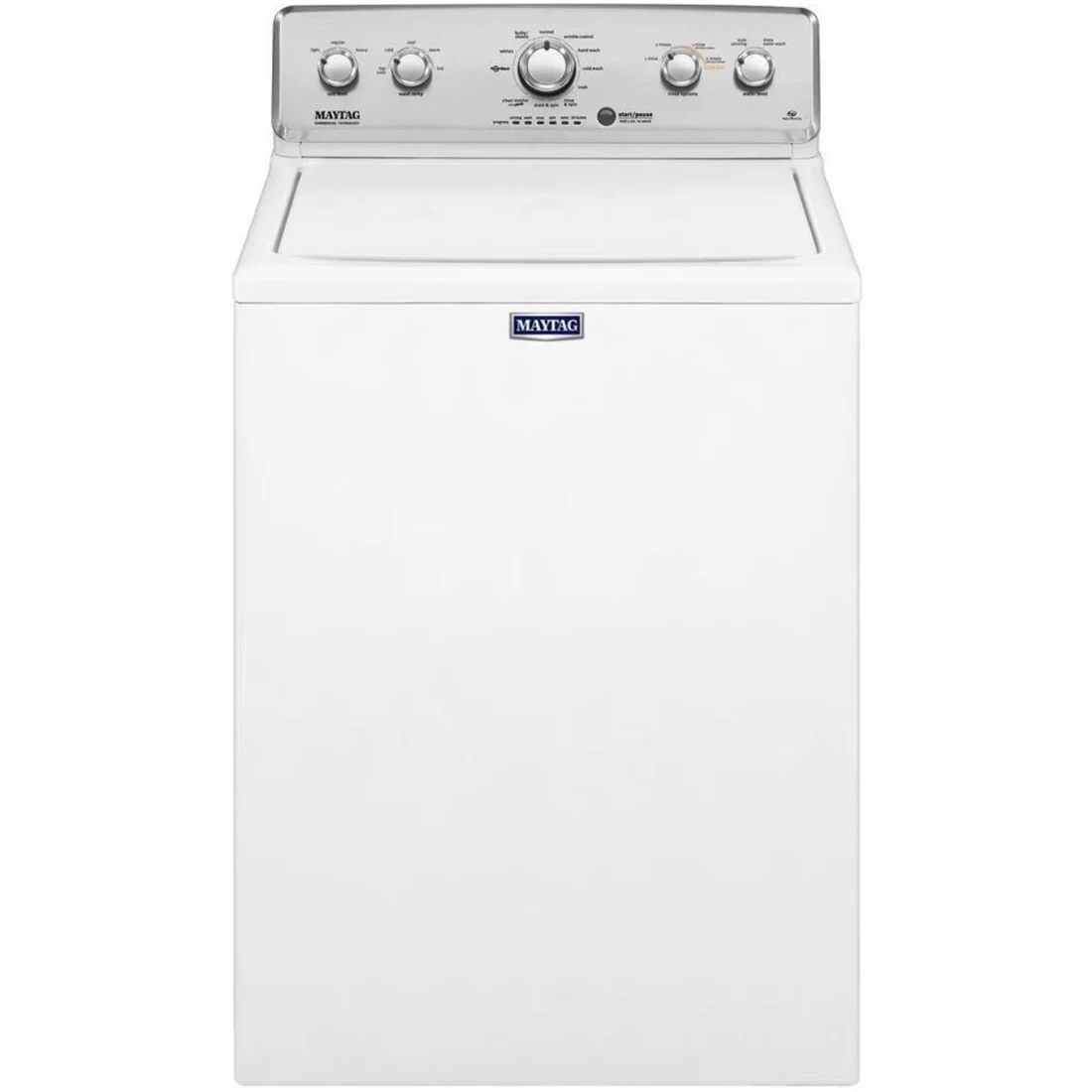
Modern washers pack a lot of cycles, but you’ll really use just a handful. Normal, heavy-duty, delicates, and a quick-wash cover most days. A good spin speed matters because it wrings out more water, so clothes dry faster. Steam and sanitize cycles are nice for allergies or heavy stains, though not everyone needs them.
One thing to know: most newer washers are high-efficiency, so they need HE detergent. Regular soap makes too many suds and can leave residue. It’s a small switch that keeps your machine happy for years. So grab a jug of HE detergent and you’re good to go.
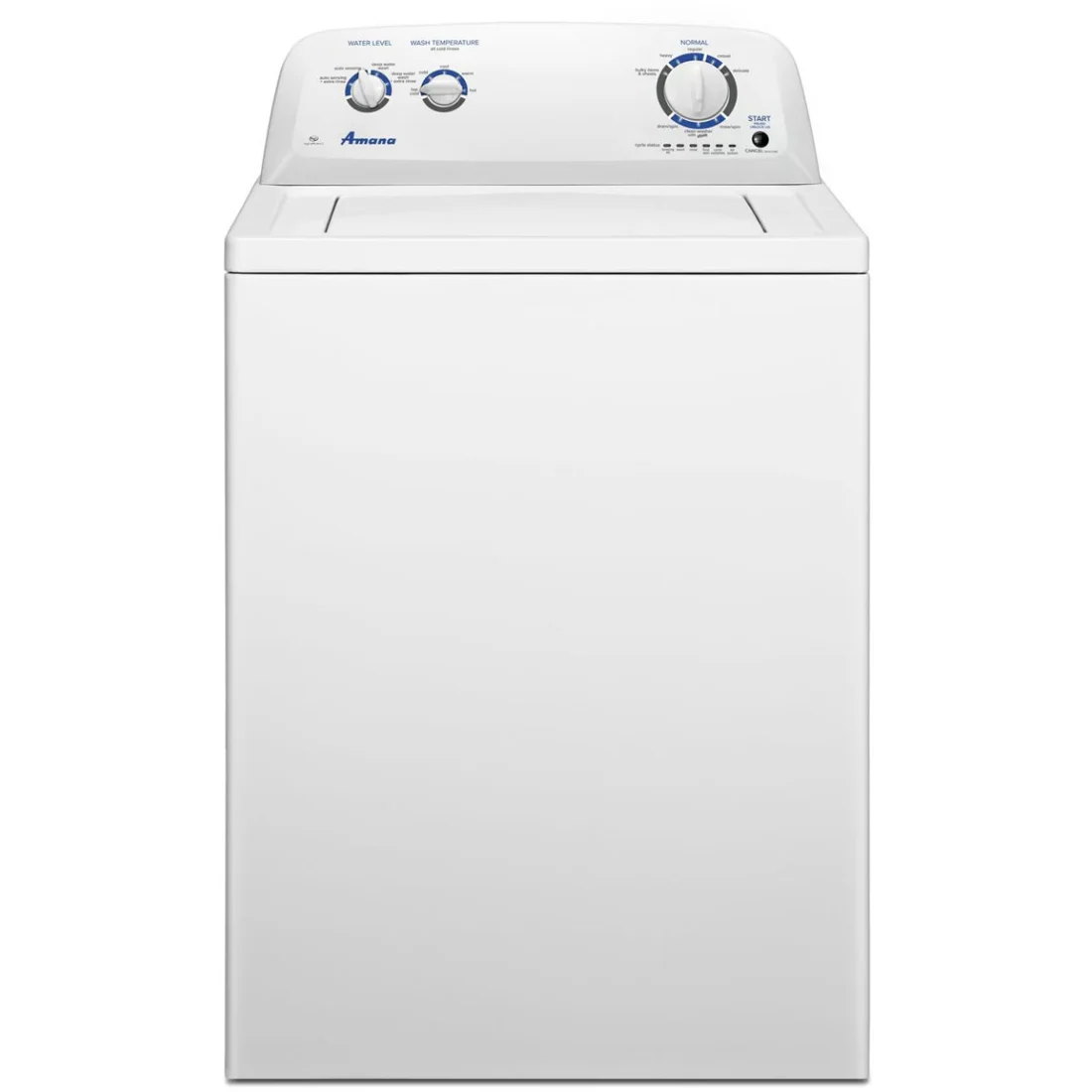
Step Five: Weigh Efficiency and Running Cost
A washer runs week after week, so its water and energy use adds up. Look for the ENERGY STAR label, and you can compare exact water and energy numbers on the ENERGY STAR clothes washer page. A more efficient machine costs less to run, which softens the sting on your utility bill over the years.
Here’s the best part. At Compare Deals, name-brand washers sell for 60 to 70 percent off retail thanks to small scratch-and-dent flaws. So you can buy the efficient, right-sized machine you picked without overpaying. New units carry a 1-year warranty, and pre-owned ones are tested with a 3-month warranty. A solid pick like the Maytag MVW6230HC top-load washer gives you big capacity at an outlet price.
Serving Conley and Nearby South Metro Towns
Conley runs along State Route 42, a short hop from the Atlanta State Farmers Market over in Forest Park. Our Morrow store on Southlake Parkway is an easy drive south, so you can measure your space at home and be looking at washers within minutes. If financing helps, our easy payment options page walks you through the no-credit-needed plans. We also serve Forest Park, Lake City, Rex, Ellenwood, Morrow, Stockbridge, Riverdale, and nearby south DeKalb neighborhoods.
So take your measurements, pick your capacity, and choose your style. Then let this washer buying guide Conley homeowners trust turn into a real machine in your laundry room. Stop in, bring your numbers, and we’ll help you match them to the right deal. Check our store hours and directions first, then come on by.
Common Washer Questions
A compact 3.5-cubic-foot machine suits a couple or small apartment, while a busy family usually wants 4.5 cubic feet or more to handle bedding and big loads in one go. Match the size to your typical laundry pile.
Leave a few inches behind for hoses and some room on the sides for air flow. Front-load models also need clearance for the door to swing open, so measure your space and doorways before buying.
Most newer washers are high-efficiency and need HE detergent. Regular detergent makes too many suds and can leave residue, so using HE soap keeps the machine running well for years.
Yes. Most are new name-brand scratch-and-dent units with only a cosmetic flaw, backed by a 1-year warranty. Pre-owned units are tested before they sell and carry a 3-month warranty.
Yes. We offer no-credit-needed financing through American First Finance, Acima, Snap, and Koalafi, so you can take your washer home today and pay over time.
Ready to Find Your Fit?
Save 60–70% on name-brand washers with no credit needed. Bring your measurements and come see today’s deals.