Foam vs Spring Mattress: Which One Fits You?
Two great beds, two different feels. Here’s the easy way to pick the right one without overpaying.
Picking a new bed shouldn’t feel like a pop quiz. So let’s keep it simple. The whole foam vs spring mattress debate really comes down to one thing: how you like to feel when you lie down. Some folks want to sink in and feel hugged. Others want to float on top and bounce right up. Good news, there’s no wrong answer here. There’s only the answer that’s right for you. And by the end of this guide, you’ll know exactly which side you’re on.
Here’s the thing. Both types have been around forever, and both can give you great sleep. The trick is matching the bed to your body and your habits. So grab a coffee, and let’s break it down the friendly way.
What Is a Foam Mattress, Really?
A foam bed is made of layers of soft, squishy material with no metal coils inside. When you lie down, it slowly molds around your shape. Think of pressing your hand into warm dough. It cradles you. That’s why people who love a “hug” feeling tend to pick foam.
Most foam beds use memory foam, plain poly foam, or a mix. Memory foam is the famous one. It softens with your body heat and presses back slowly. Because it shapes to you, it’s gentle on sore spots like hips and shoulders.
Foam feels best for:
- Side sleepers who need pressure relief
- Couples, since motion barely travels across the bed
- Light, quiet sleepers who hate squeaks
- Anyone who likes that slow, sinking, cozy feel
What Is a Spring Mattress, Really?
A spring bed (also called innerspring) has metal coils inside, topped with a layer of padding. Those coils push back when you press down. So instead of sinking, you sort of rest on top. That gives you a bouncy, springy, “lifted” feel. Plus, all that open coil space lets air move through, so the bed sleeps cooler.
Springs have been the classic choice for generations, and for good reason. They feel familiar, they’re easy to move on, and they hold up well for heavier folks and back or stomach sleepers who need firmer support.
Springs feel best for:
- Back and stomach sleepers who want firm support
- Hot sleepers who wake up sweaty on foam
- Heavier bodies that need strong push-back
- People who like to feel “on top of” the bed
The Big Differences, Side by Side
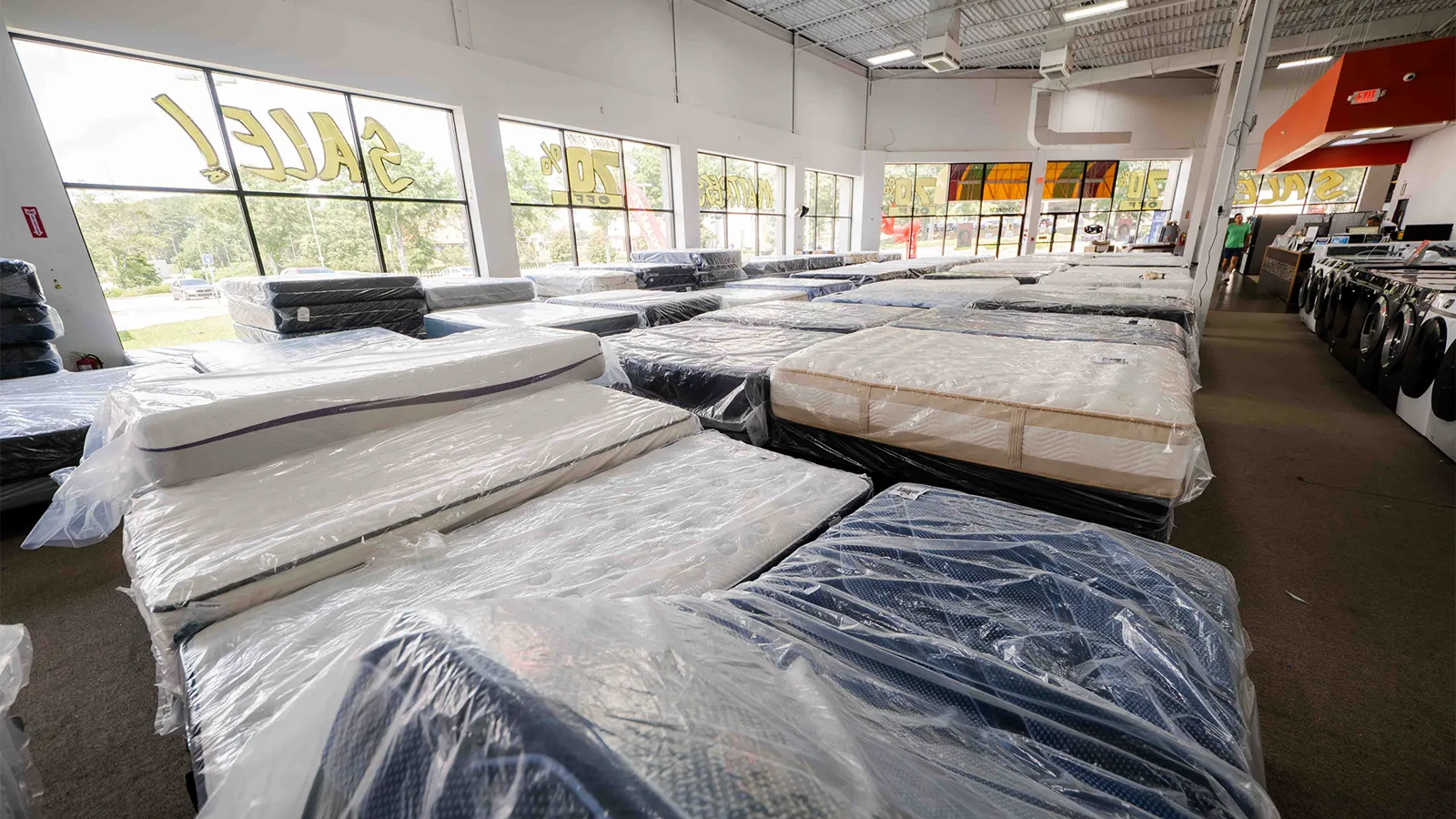
Let’s put them head to head. A foam vs spring mattress comparison usually comes down to four things: feel, temperature, motion, and bounce. Foam hugs and holds heat a bit more. Springs lift you up and stay cooler. Foam soaks up movement, so a restless partner won’t wake you. Springs give you that classic bounce.
Want even softer support on a foam bed without the heat trap? A hybrid model at a discount blends coils on the bottom with foam on top. You get the best of both worlds. It’s a smart middle path for shoppers who can’t decide.
Wait, Why Are New Beds So Expensive?
Quick reality check before we go on. A name-brand foam or spring bed at a chain store can cost more than a used car payment. That’s not because the foam is magic. It’s markup, fancy showrooms, and ad budgets. Here’s the good news, though. You don’t have to pay full sticker to get a great bed.
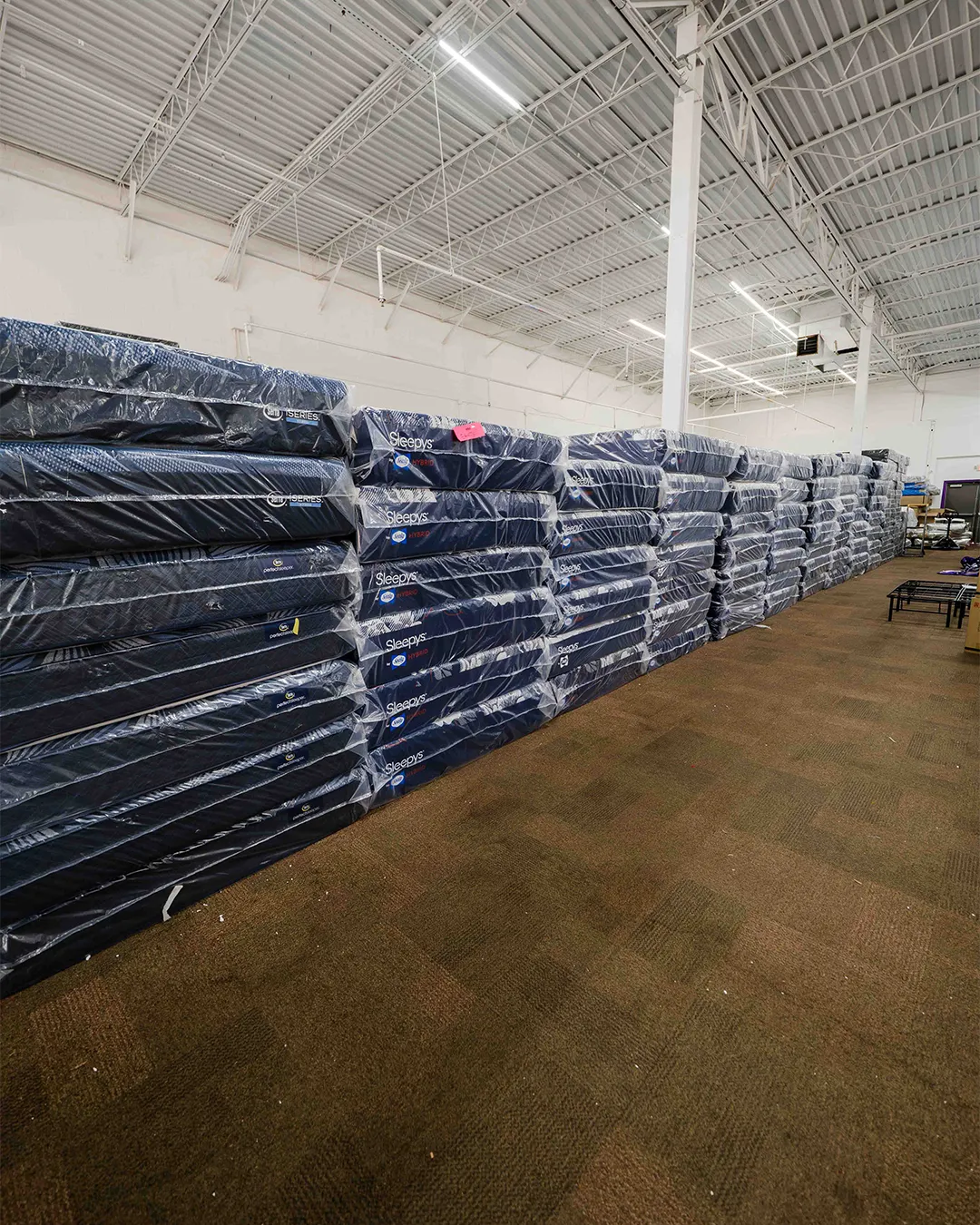
At Compare Deals, the same quality beds land here as closeouts, overstock, and lightly handled returns. That means 60 to 70 percent off retail. Our closeout queen beds start at just $399. So you can pick foam, springs, or hybrid based on comfort, not on what your wallet can survive. Browse the full lineup of beds in every size and feel the difference yourself.
How to Pick: A 30-Second Test
Ready for the easy part? Ask yourself three quick questions.
- How do I sleep? Side = lean foam. Back or stomach = lean spring.
- Do I sleep hot? Yes = lean spring or a cooling hybrid. No = foam is fine.
- Do I share the bed? Yes, and my partner wiggles = foam wins for motion control.
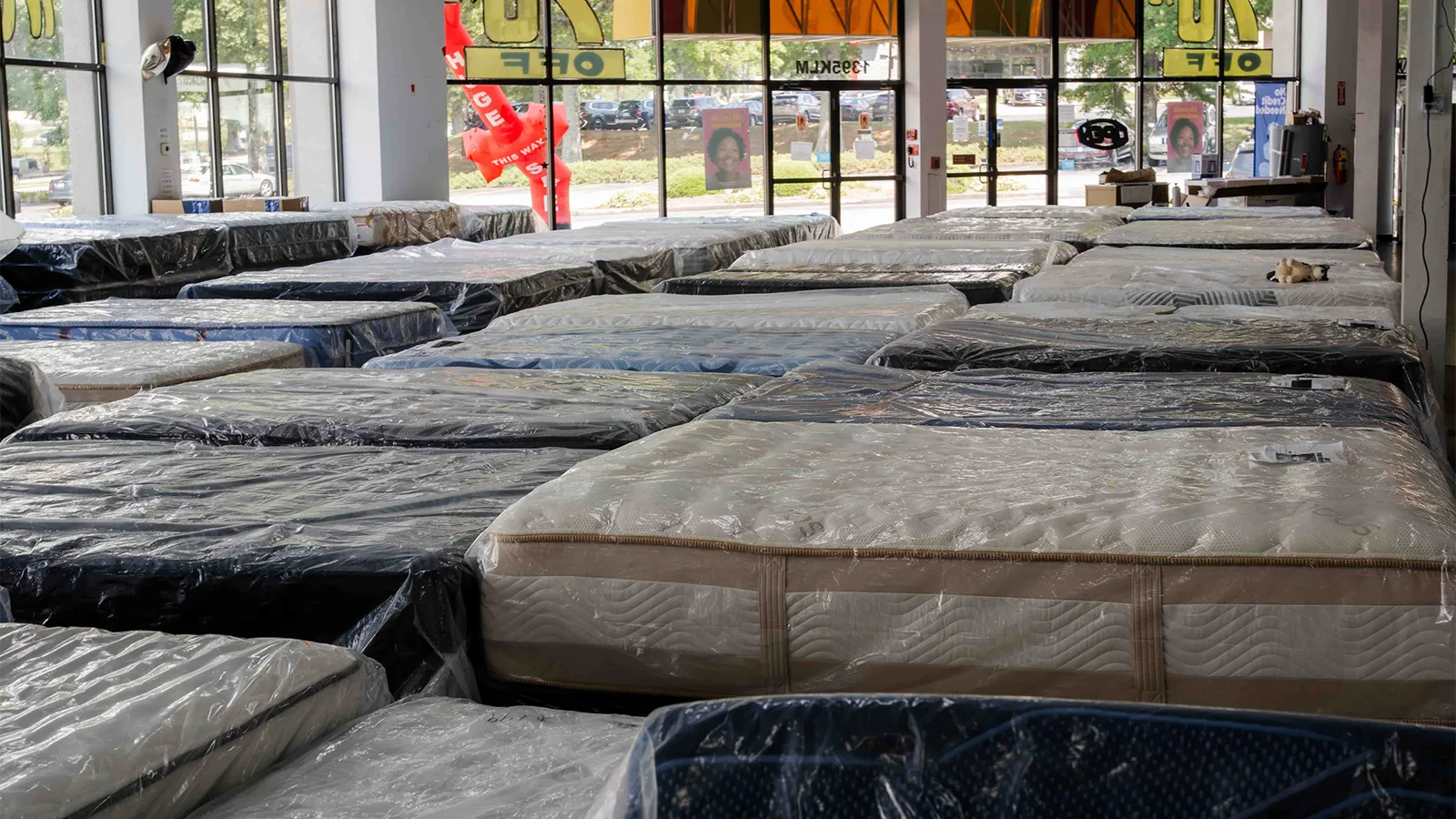
Still on the fence? Come lie down on a few in person. Two minutes on each bed tells you more than two hours of reading. Of course, our team is happy to point you toward the right rack.
Does Firmness Matter More Than Type?
Honestly, yes, a lot of the time. A firm foam bed and a firm spring bed can feel closer than you’d guess. Sleep experts at the Sleep Foundation note that the right firmness for your sleep position matters just as much as the material inside. So don’t get stuck only on foam vs spring. Pay attention to soft, medium, or firm too.
A medium-firm bed is the safe bet for most people, whether it’s foam or spring. It supports your spine while still feeling comfy. If you’re a strict side sleeper, go a touch softer. If you’re a back or stomach sleeper, go a touch firmer.
Making It Affordable, No Matter What You Pick
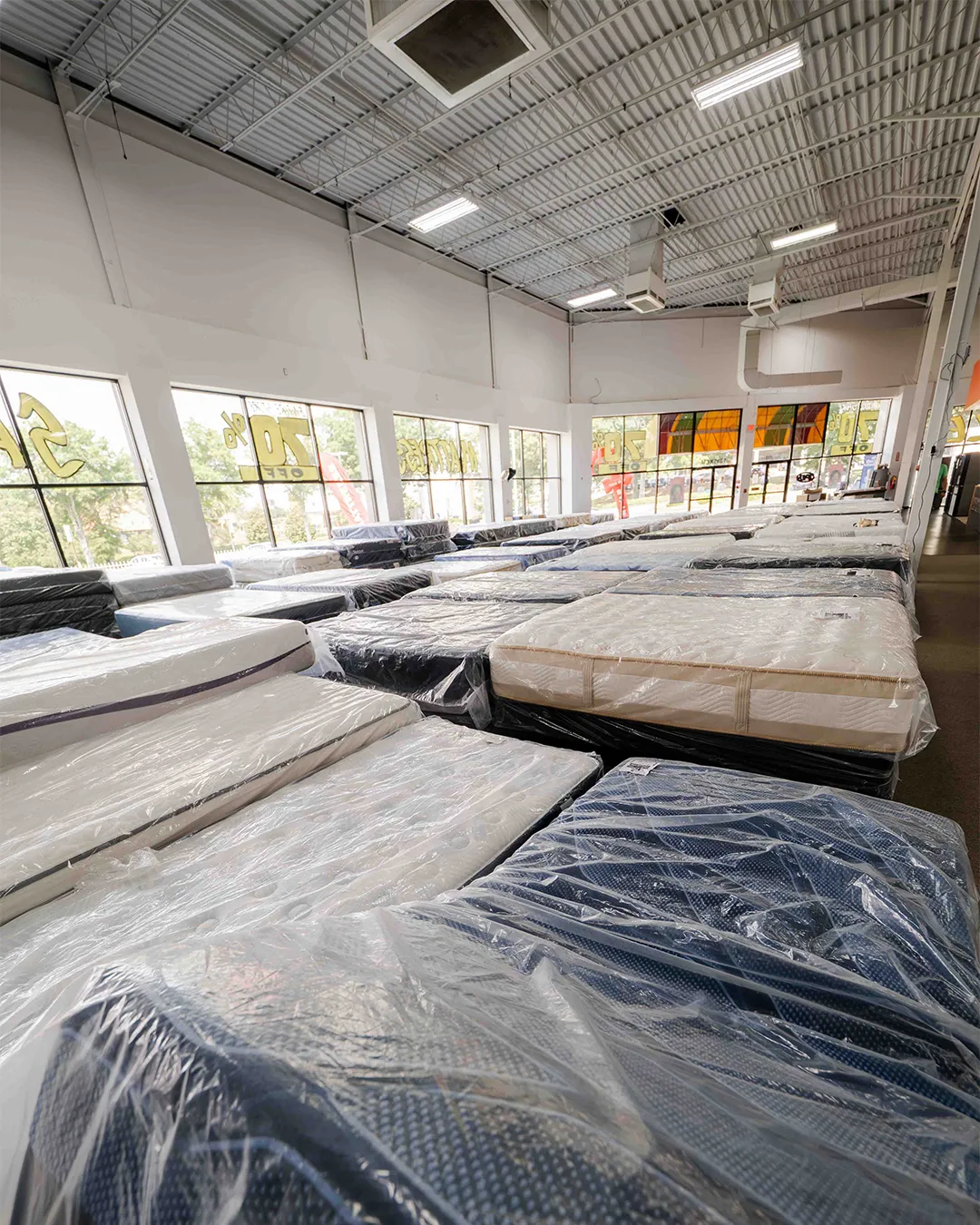
Here’s where shopping at an outlet really pays off. Because every foam vs spring mattress here is already deeply discounted, your dollar stretches further. And if you’d rather spread the cost out, we’ve got you covered. Our no-credit-needed payment options let you take your bed home today and pay over time. We work with American First Finance, Acima, Snap, and Koalafi, so most folks get approved fast.
That means a good night’s sleep doesn’t have to wait for payday. Pretty nice, right?
Come See (and Lie On) Both Types
At the end of the day, the best bed is the one you actually want to climb into. Reading helps, but feeling beats reading every time. We’ve got both stores stocked with foam, spring, and hybrid beds ready to test. Check our store hours and directions and swing by whenever it works for you.
So whether you’re Team Foam, Team Spring, or somewhere in the middle, you’ll walk out with the right bed for far less. And that’s a win you can sleep on.
Common Questions
It depends on your sleep position. Foam often helps side sleepers by easing pressure on hips and shoulders. Springs give firmer support that many back and stomach sleepers prefer. A medium-firm bed of either type is the safest bet for most aching backs.
Spring beds usually sleep cooler because the open coils let air flow through. Foam holds a little more heat. If you love foam but run hot, look for a gel foam or a hybrid with coils on the bottom and cooling foam on top.
Both can last around 7 to 10 years with good care. Quality matters more than type. A well-made foam bed and a well-made spring bed will both hold up. Using a supportive base or frame helps either one last longer.
At Compare Deals, you save 60 to 70 percent off retail prices. Closeout queen beds start at $399. These are quality beds from overstock, closeouts, and lightly handled returns, not lower-grade products.
Yes. We offer no-credit-needed financing through American First Finance, Acima, Snap, and Koalafi. Most shoppers get approved quickly and can take their bed home the same day, then pay over time.
Find Your Perfect Bed for Less
Save 60 to 70 percent off retail on foam, spring, and hybrid beds. No credit needed to get started.