
Hybrid vs Innerspring Mattress Hampton Guide
A plain-English breakdown to help you pick the right coils for your sleep.
Shopping for a new bed and stuck on the hybrid vs innerspring mattress Hampton question? You’re not alone. It’s one of the most common head-scratchers we hear, and the truth is both can be great. Here in Henry County, neighbors from Dutchtown to Henderson Farms ask us this all the time. So let’s clear it up in plain English. The good news is that once you know how coils actually work, the choice gets easy. And at Compare Deals, you can grab either style from a top brand for 60 to 70 percent off retail.
Here’s the short version. An innerspring is the classic coil bed you grew up on. A hybrid takes those coils and stacks real comfort foam on top. Both bounce, both breathe, and both support your body. But they feel different once you lie down. So let’s dig into what sets them apart, and who each one fits best.
How Each Bed Is Built
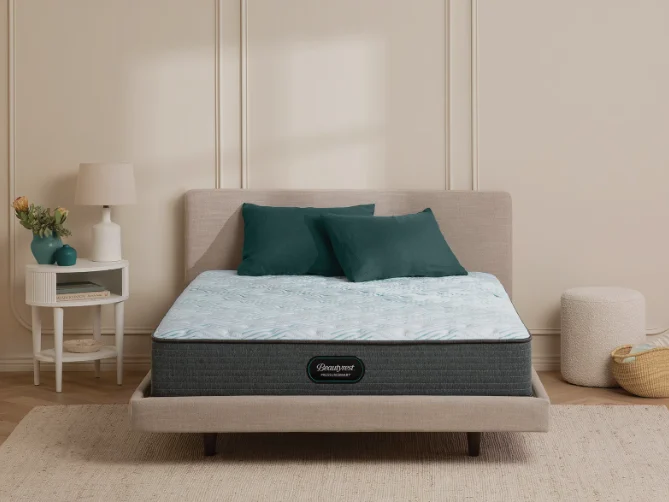
An innerspring mattress is mostly steel coils with a thin comfort layer and a quilted top. That’s it. It’s simple, sturdy, and it moves air well, so it sleeps cool. A hybrid uses a thick coil base too, but then adds layers of memory foam or latex on top. So you get the same bouncy support with a softer, more cushioned surface.
Think of it this way. An innerspring is a firm handshake. A hybrid is that same handshake wearing a comfy glove. Both do the job, but one feels a little plusher. Want to see the difference up close? Browse our full mattress lineup and you’ll spot both styles side by side.
Feel and Comfort: Where They Split
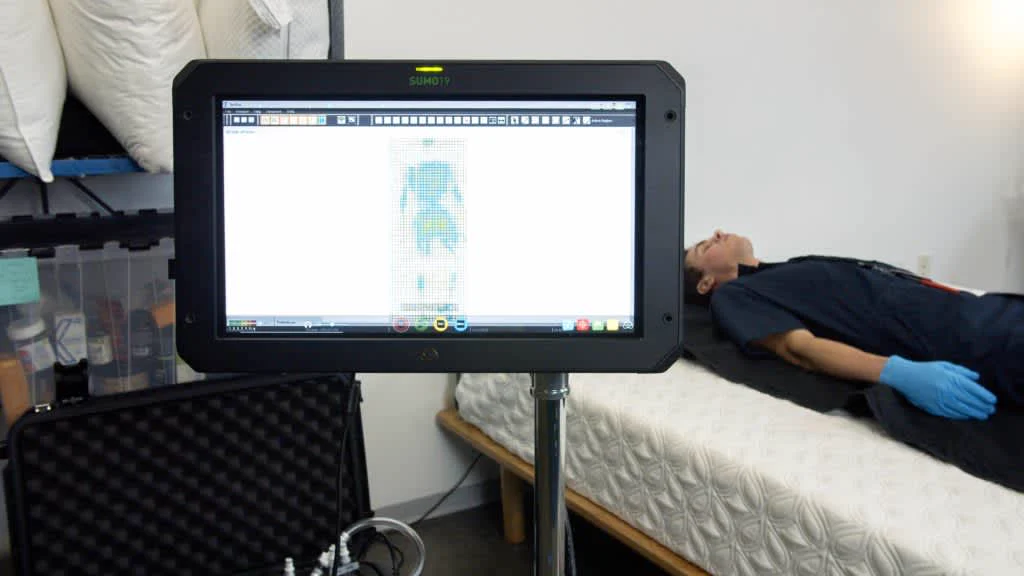
This is the big one. An innerspring feels firmer and bouncier, and it sits you more on top of the bed. A hybrid cushions your shoulders and hips while still holding you up, so it feels like a hug with a backbone. If you like that classic, springy pop, an innerspring might win. If you want pressure relief without sinking into quicksand, a hybrid usually takes it.
Body weight plays a role too. Lighter sleepers often love the softer top of a hybrid. Heavier sleepers sometimes prefer the firm, direct support of a sturdy innerspring. There’s no wrong answer here, only what your body likes. Folks from the historic Downtown Hampton area near McBrayer Park test both on our floor and know within minutes.
Motion, Bounce, and Sharing a Bed
Sleep next to someone who flips around all night? Pay attention here. Traditional innersprings pass motion across the bed, so you feel every toss and turn. Hybrids, especially ones with pocketed coils and foam, soak up a lot of that movement. So if your partner gets up early to beat traffic near the Historic Train Depot, a hybrid keeps their exit from bouncing you awake.
On the flip side, that same bounce makes innersprings feel lively and easy to move around on. Some people just love that responsive feel. It really comes down to whether you want a calm, still surface or a peppy, springy one.
Durability and Cooling Over the Years
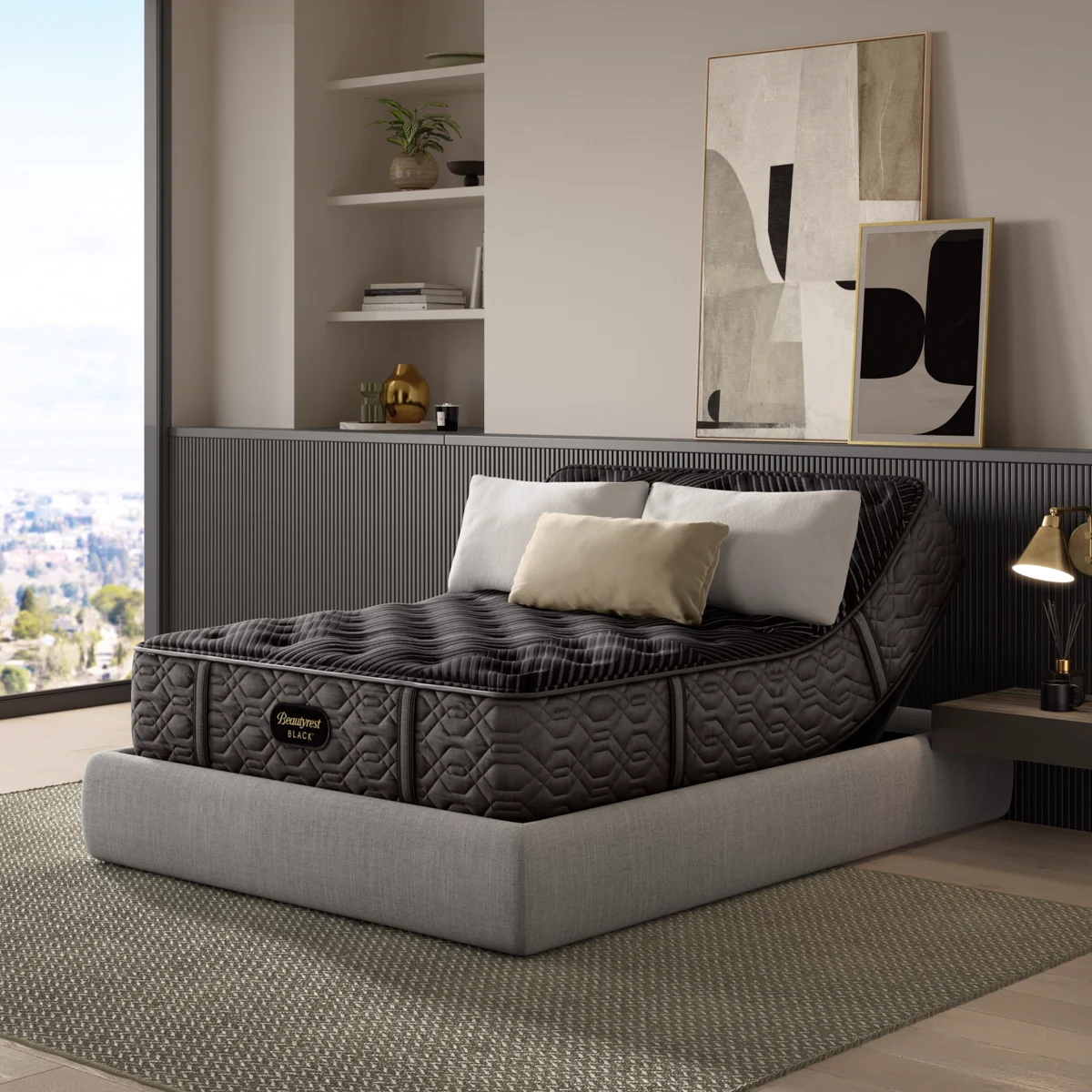
Both styles last a good while when you buy a quality build. Innersprings can start to sag at the coils if the comfort layer is thin, so a name brand matters. Hybrids tend to hold their shape well because the foam and pocketed coils share the load. Either way, expect a solid seven to ten years from a well-made bed.
Cooling is close between the two. Coils let air flow in both, so neither traps heat like an all-foam bed can. If you run warm, look for a hybrid with breathable foam or a cooling cover. The Sleep Foundation has a helpful rundown on how these coil beds compare if you want to dig deeper.
Which One Should You Buy?
Quick gut check. Pick an innerspring if you want a firm, bouncy, budget-friendly bed and you don’t mind a little partner motion. Pick a hybrid if you want extra cushioning, better motion control, and a plusher feel while keeping that coil support. For most shoppers today, the hybrid vs innerspring mattress Hampton debate ends with a hybrid, simply because it blends the best of both.
That said, price matters too. Innersprings usually cost less up front, and our closeout deals push both styles way down. You can snag a great coil bed without overthinking it. Take a look at our closeout mattress deals and compare the two for real savings.
Serving Hampton and the South Metro
Hampton sits along SR-20 and SR-81, so a trip to our Morrow outlet is a quick run up I-75, usually under 25 minutes. We help coil-bed shoppers from Lovejoy, Sunnyside, McDonough, Locust Grove, Stockbridge, Woolsey, Fayetteville, and Heron Bay too. Whether you land on a hybrid or an innerspring, we’ve got the brand and the price to match.
Not sure which store is closest or when we open? Check our flexible payment plans if budget is on your mind, then come lie down and feel both styles. Ten minutes on our floor beats a week of guessing online.
Common Mattress Questions
An innerspring is mostly coils with a thin comfort layer, so it feels firm and bouncy. A hybrid uses a coil base plus thick foam layers on top, so it adds cushioning and pressure relief. Both support your body, but the hybrid feels plusher.
A hybrid usually wins for couples because its pocketed coils and foam soak up motion, so you feel less of your partner’s movement. Traditional innersprings pass motion more, which can wake a light sleeper. Come test both to feel the difference.
Not by much. Both have coils that let air flow, so neither traps heat like an all-foam bed. If you run warm, look for a hybrid with breathable foam or a cooling cover for the best of both.
Innersprings usually cost a bit less up front because they use fewer foam layers. That said, our closeout pricing takes 60 to 70 percent off retail on both styles, so you can get either one at a great price.
A quality innerspring or hybrid typically lasts seven to ten years. Hybrids often hold their shape a touch longer since the foam and pocketed coils share the load. Buying a name brand helps either type go the distance.
Feel Both Before You Buy
Name-brand hybrids and innersprings with closeout queens from $399, save 60–70%, no credit needed.