How To Pick the Best Mattress for Motion Isolation
If your partner wakes you up every time they roll over, the right bed can fix that fast.
Let’s be honest. Sharing a bed should feel cozy, not like riding a trampoline. So if your other half flips, flops, and gets up at 2 a.m. for a snack, you feel every bit of it. Here’s the good news: the best mattress for motion isolation can stop most of that bounce before it ever reaches your side. In plain terms, motion isolation is just how well a bed soaks up movement instead of passing it across the surface. When a bed does this well, one person can toss and turn while the other sleeps like a rock.
So why does this matter so much? Because sleep is precious, and getting woken up over and over is no fun. Plus, a bed that controls motion well usually feels calmer and more supportive overall. That’s why we wrote this friendly guide. We’ll walk you through what to look for, which materials win, and how to score a great bed without spending a fortune.
What Motion Isolation Really Means
Picture this. You set a glass of water on one side of the bed. Then your partner plops down on the other side. On a cheap, bouncy bed, that water sloshes everywhere. On a bed with great motion isolation, the water barely wiggles. That’s the whole idea in a nutshell.
Movement travels through a mattress in little waves. A good bed absorbs those waves so they fade out before they reach you. A poor one sends them straight across like ripples in a pond. The difference shows up most when you share the bed, but solo sleepers feel it too. A calm surface just helps you stay asleep longer.
Which Mattress Types Handle Motion Best
Not every bed is built the same. Some soak up movement like a sponge. Others spring back and pass it along. Here’s the quick rundown.
Memory Foam — The Motion Champ
Memory foam is the gold standard here. It hugs your body and deadens movement almost completely. When your partner shifts, the foam just absorbs it. Most folks who really value a still surface end up loving foam.
Hybrid — A Smart Middle Ground
Hybrids mix coils with a thick foam top. The foam layer catches a lot of motion, while the coils add bounce and airflow. Modern hybrids use pocketed coils that move on their own, so they isolate motion far better than old-school springs.
Latex — Springy but Steady
Latex has more bounce than foam, so it isn’t quite as quiet. Still, quality latex does a decent job. It’s a fine pick if you want responsiveness and only mild motion control.
Old Innerspring — The Bouncy One
Traditional connected-coil innersprings are the worst at this. The coils are linked, so one move shakes the whole bed. If quiet sleep is your goal, this is the type to skip.
Features That Boost Motion Control
Beyond the basic type, a few details make a big difference. Keep an eye out for these when you shop.
- Thicker comfort layers. More foam up top means more cushion to absorb movement.
- Pocketed coils. Each spring is wrapped on its own, so motion stays local instead of spreading.
- Higher-density foam. Denser foam settles motion faster than soft, airy foam.
- A solid edge. Strong edges keep the whole bed stable when someone sits down.
You don’t need every single feature. But the more boxes a bed checks, the calmer it’ll feel when your partner does their nightly gymnastics routine.
Do You Have To Spend a Fortune?
Here’s the part people get wrong. They think the best mattress for motion isolation has to cost two or three grand. It really doesn’t. The materials that kill motion, like memory foam and pocketed coils, show up in beds at every price. The big-name brands just slap a huge markup on top.
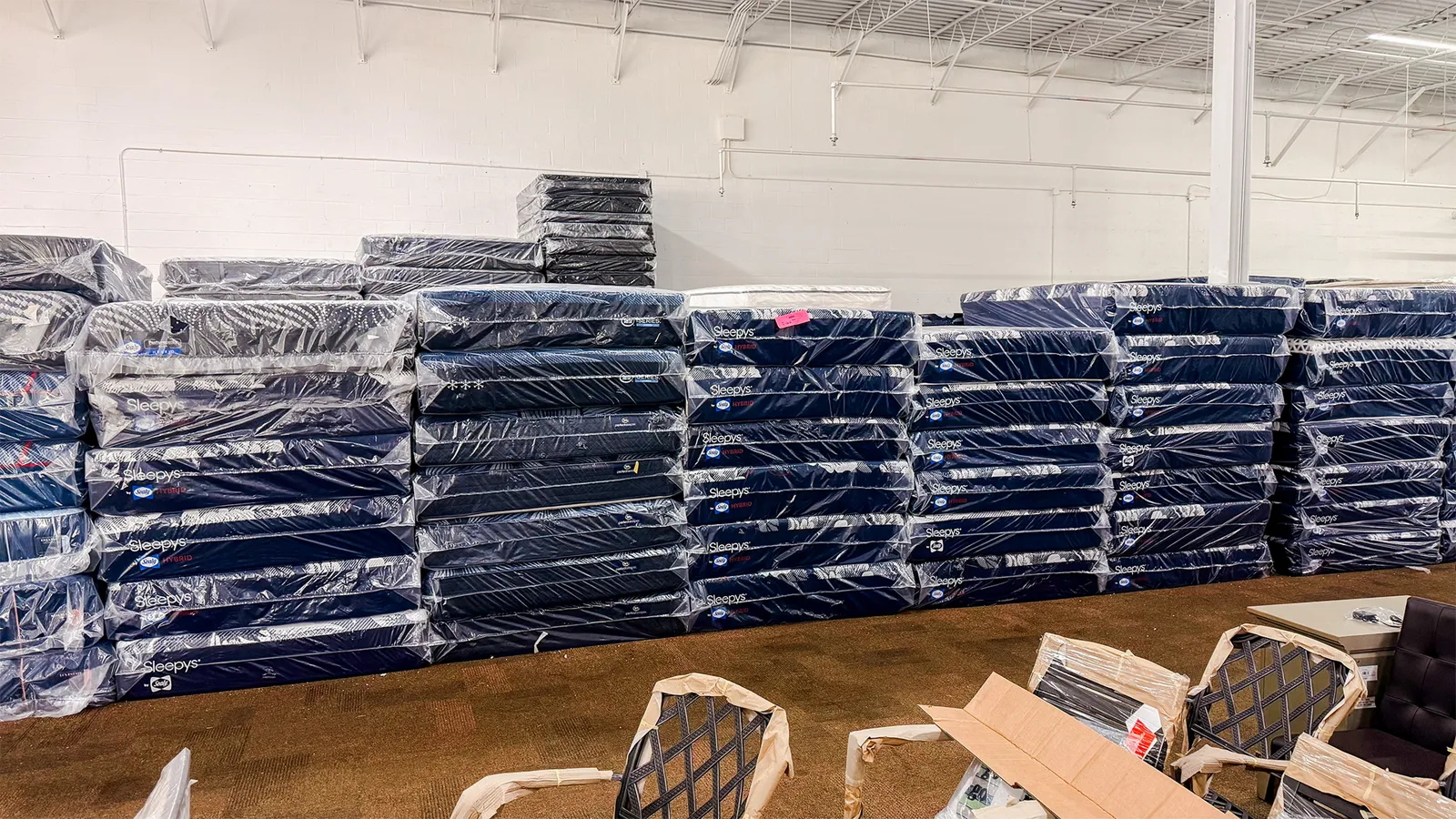
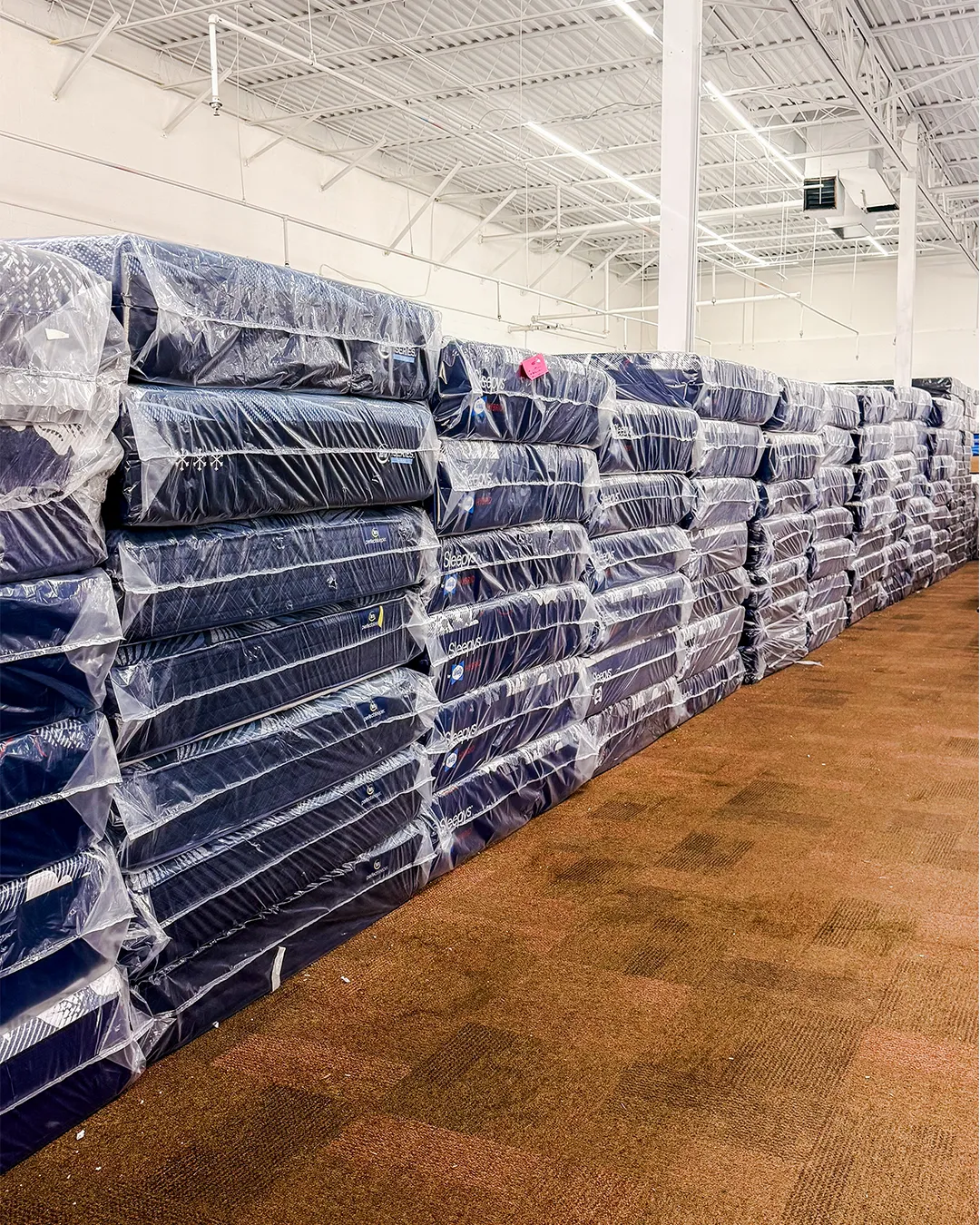
That’s where an outlet shines. At Compare Deals, you’ll find quality foam and hybrid beds for 60 to 70 percent off retail. Closeout queens start at just $399 and go up to $899 for the plush tiers. Same motion-killing materials, way smaller price. You can browse our full mattress selection to see what fits your sleep style and your wallet.
A Quick Reminder Before You Buy
Still with us? Good, because this part matters. The “best” bed isn’t the priciest one. It’s the one that keeps you asleep and feels great to your body. A foam or hybrid bed that controls motion well, fits your budget, and supports your back is the real winner. Don’t let a shiny showroom talk you into overpaying.
How To Test Motion Isolation In Person
You can actually check this yourself, right in the store. Lie down on one side of the bed. Have a friend press down or shift on the other side. Feel how much reaches you. On a great motion-isolating bed, you’ll barely notice. On a bouncy one, you’ll feel every push.
Another trick: sit on the edge and stand up quickly. A stable bed won’t jostle the whole surface. We always tell shoppers to test before they buy. It only takes a minute and it tells you a lot. And if you want a deeper dive on healthy sleep habits, the Sleep Foundation has solid, easy-to-read info.
Why Couples Love a Motion-Friendly Bed
When motion stops crossing the bed, both partners sleep better. No more elbow nudges waking you up. No more feeling the mattress dip when someone climbs in late. It’s a small upgrade that makes a big difference in daily life. Honestly, it might save a few middle-of-the-night arguments too.
And here’s a bonus. A bed that isolates motion well usually contours nicely too. So you often get pressure relief for your hips and shoulders as part of the deal. That’s a win for couples and solo sleepers alike.
Shop Smart and Save
You don’t have to choose between a quiet night and a fair price. At Compare Deals, we stock closeout and overstock foam and hybrid beds that handle motion like champs. Worried about paying all at once? We offer no-credit-needed flexible payment options through American First Finance, Acima, Snap, and Koalafi. Many folks walk out with a brand-new bed and small monthly payments.
Want to compare prices and styles side by side? Check out our lineup of budget-friendly mattress deals first. Then swing by in person to test them. You can find both of our stores on our Metro Atlanta store directory, in Lawrenceville and Morrow. Come lie down, feel the difference, and pick the bed that finally lets you both sleep through the night.
Common Questions
Memory foam wins for pure motion control because it absorbs movement almost fully. Hybrids with pocketed coils come in a close second and add more bounce and airflow. Traditional connected-coil innersprings are the worst choice if you want a still surface.
No. The materials that block motion, like foam and pocketed coils, come in beds at every price. At Compare Deals, closeout queens start at $399 with the same motion-killing features as pricey brands.
Lie on one side and have someone press or shift on the other side. Feel how much movement reaches you. You can also sit on the edge and stand up fast to see if the whole bed jostles. Less movement means better isolation.
Yes. Modern hybrids use pocketed coils that move on their own, so motion stays on one side. The foam comfort layer adds extra cushion to absorb movement. Many couples like hybrids because they balance quiet sleep with airflow and bounce.
Yes. We offer no-credit-needed payment options through American First Finance, Acima, Snap, and Koalafi. Many shoppers leave with a new bed and small monthly payments, even with no credit history.
Sleep Through the Night Without Overpaying
Save 60 to 70 percent off retail on quiet, motion-friendly beds. No credit needed. Stop by either store and test one today.