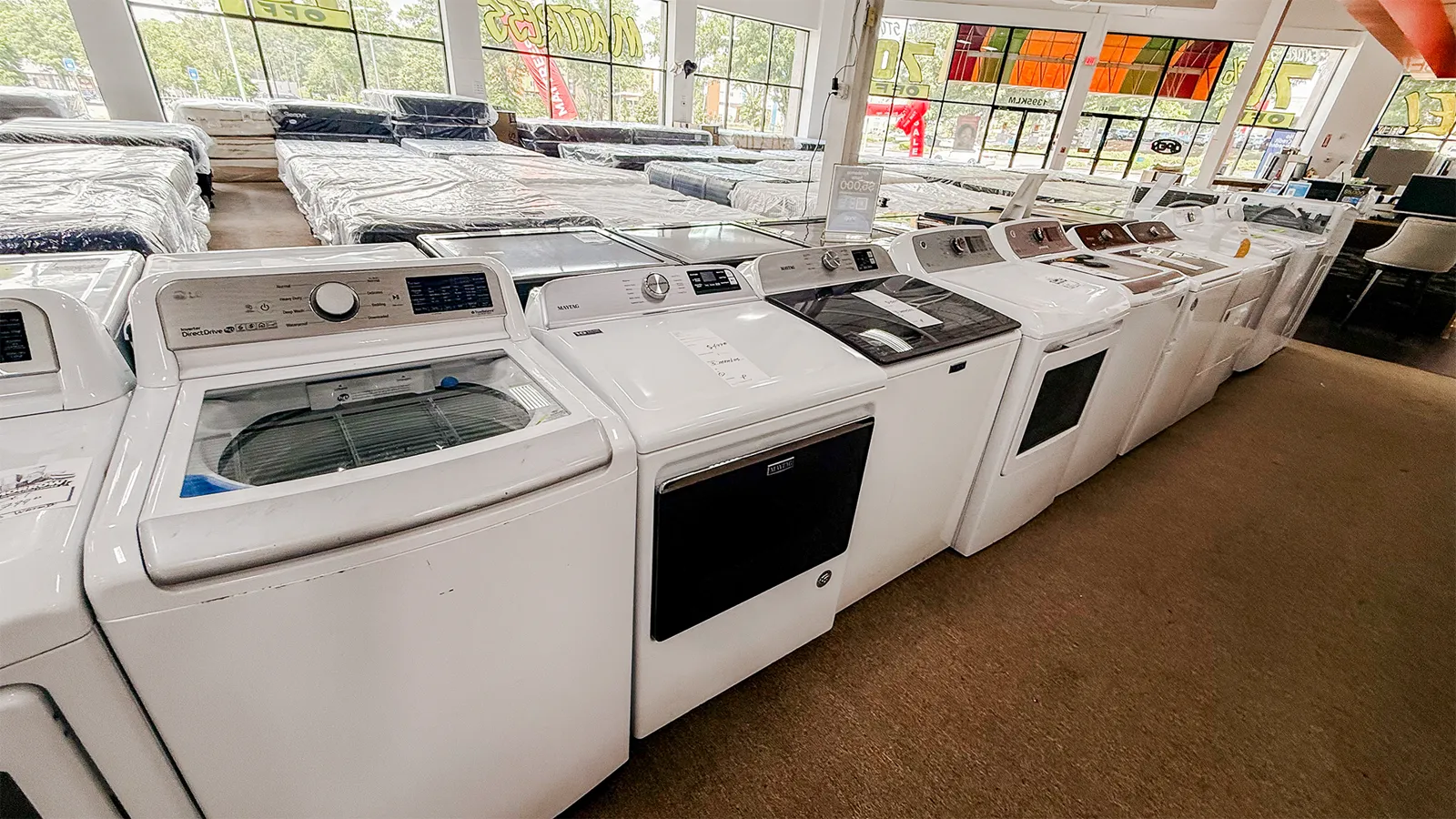
Gas vs Electric Dryer College Park: Which Wins?
A plain-English guide to picking the right hookup.
Trying to sort out the gas vs electric dryer College Park question before you buy? Good on you for checking first. Here’s the quick truth: the best pick usually comes down to the hookup you already have in your laundry room. Folks over in Red Oak and Center Park ask us this every week, and once you know what to look for, the choice gets easy. So let’s walk through it together, plain and simple, the way a neighbor near Camp Creek Parkway would explain it over the fence.
Both types dry clothes well. Both come from the same big brands. The real difference is how they make heat and what they need to plug into. Get that part right and install day is a breeze.
Start with your hookup
Before anything else, go look at your laundry room. An electric dryer needs a special 240-volt outlet, the big three-prong or four-prong kind. A gas dryer needs a gas line plus a regular 120-volt plug to run the drum and controls. Whichever one you already have usually decides the winner right there.
If your home only has the 240-volt outlet, electric is the simple path. If a gas line is already sitting there, gas is on the table. Not sure what you have? Snap a photo of the hookup and bring it in. Our team will look at our current dryer selection with you and match a machine to your space.
Cost to run each one
Here’s where a lot of College Park shoppers focus, and fair enough. In most homes, a gas dryer costs a little less per load because natural gas is often cheaper than electricity for making heat. Gas dryers also tend to heat up faster, so clothes can finish a touch quicker. Over a year of heavy laundry, that can add up for a big family.
Electric dryers, though, are cheaper to buy up front and simpler to install since there’s no gas line to deal with. So the “which is cheaper” answer really depends on how much laundry you run and what your utility rates look like near Historic College Park.
Install and safety basics
Electric dryers are the easy button for install. You slide it in, plug it into the 240-volt outlet, hook up the vent, and you are done. Gas dryers need a proper gas connection, so many people have a pro handle that part. It is not hard, but you want it done right and leak-free.
Either way, venting matters for safety. A blocked vent traps heat and lint, which is a fire risk. The U.S. Consumer Product Safety Commission recommends cleaning the lint filter every load and clearing the vent line so hot air flows freely. That advice holds for both gas and electric.
A quick recap before you decide
Still weighing the gas vs electric dryer College Park choice? Here’s the short version. Electric is cheaper to buy and dead simple to install. Gas can cost a bit less to run and dries a little faster, but it needs a gas line. Neither one is “better” for everyone. The right pick is the one that fits your hookup and your habits.
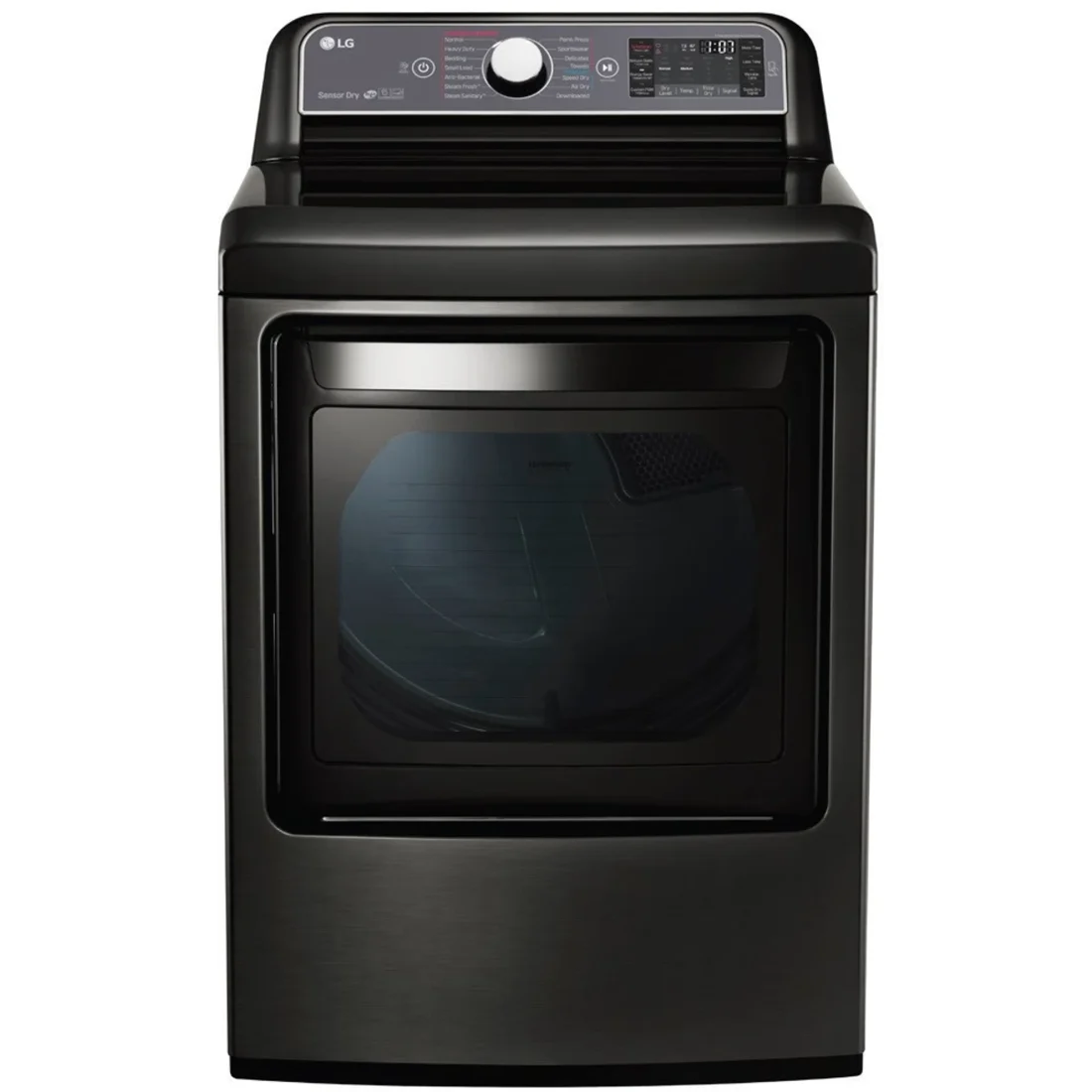
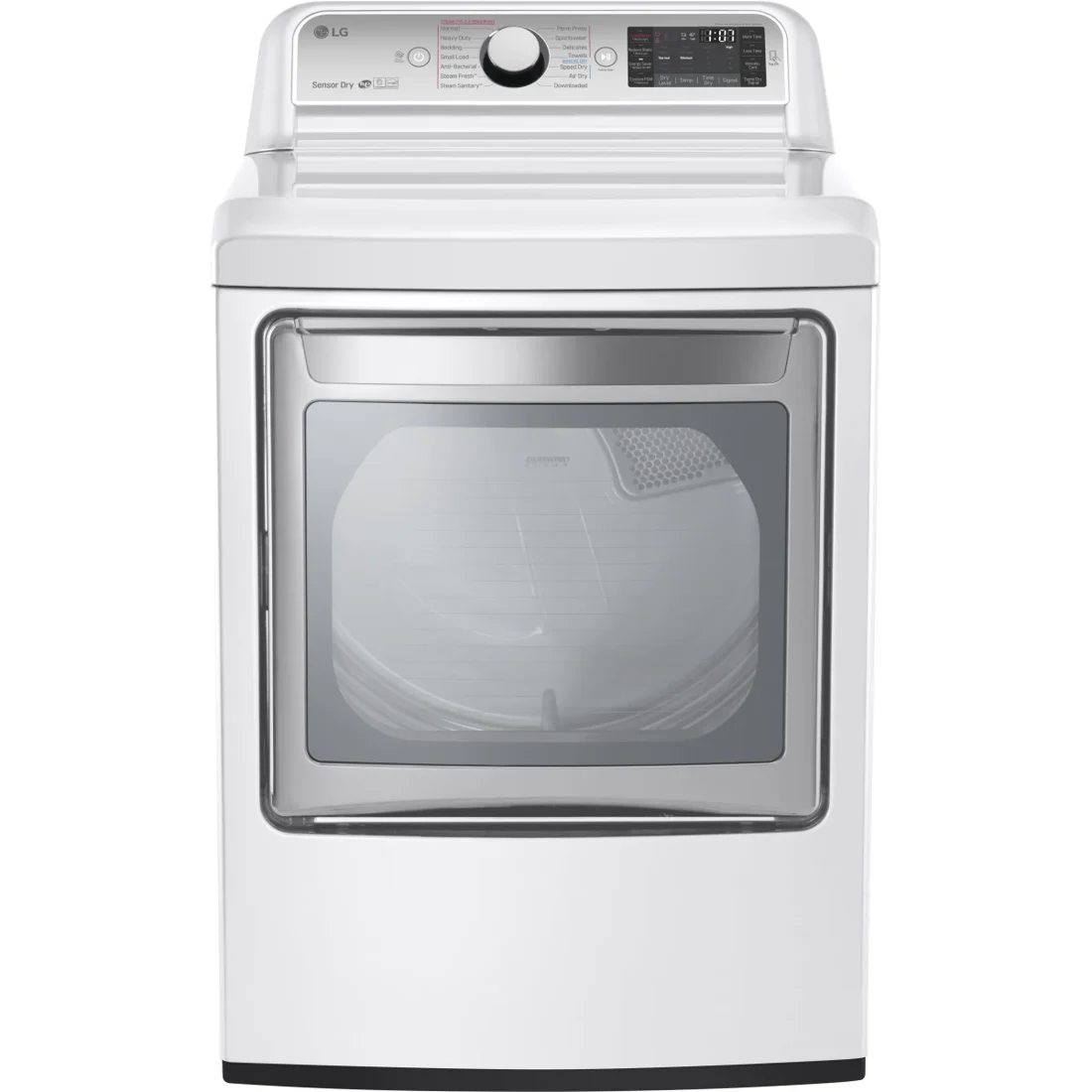
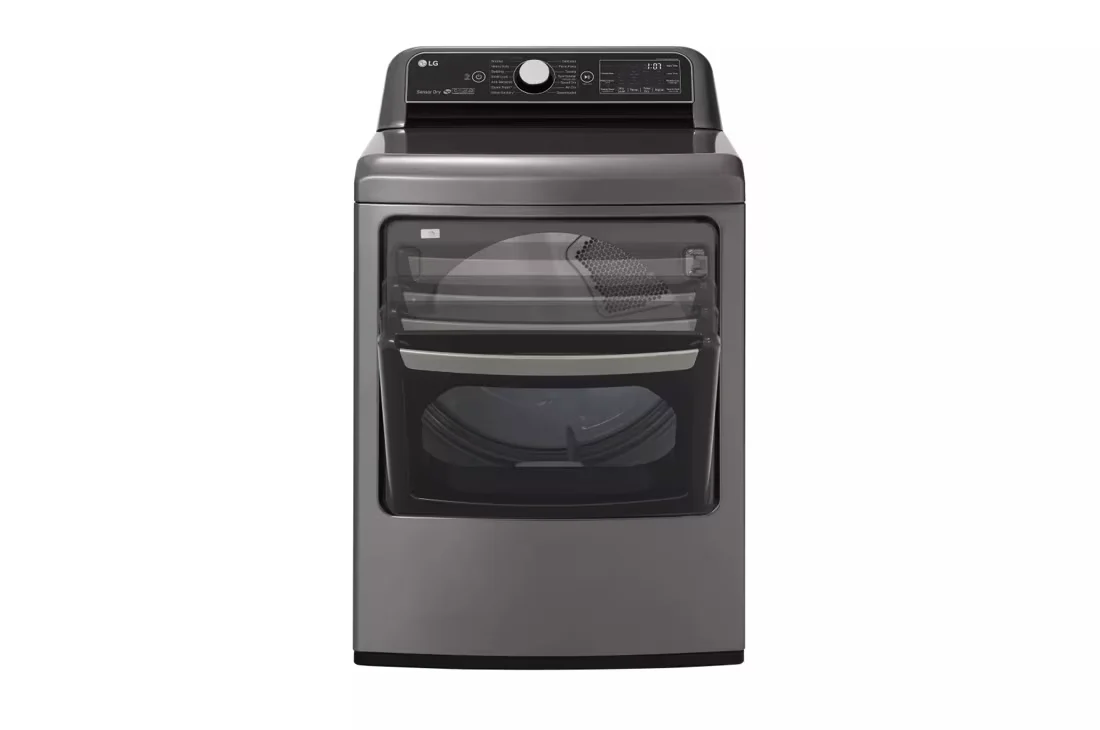
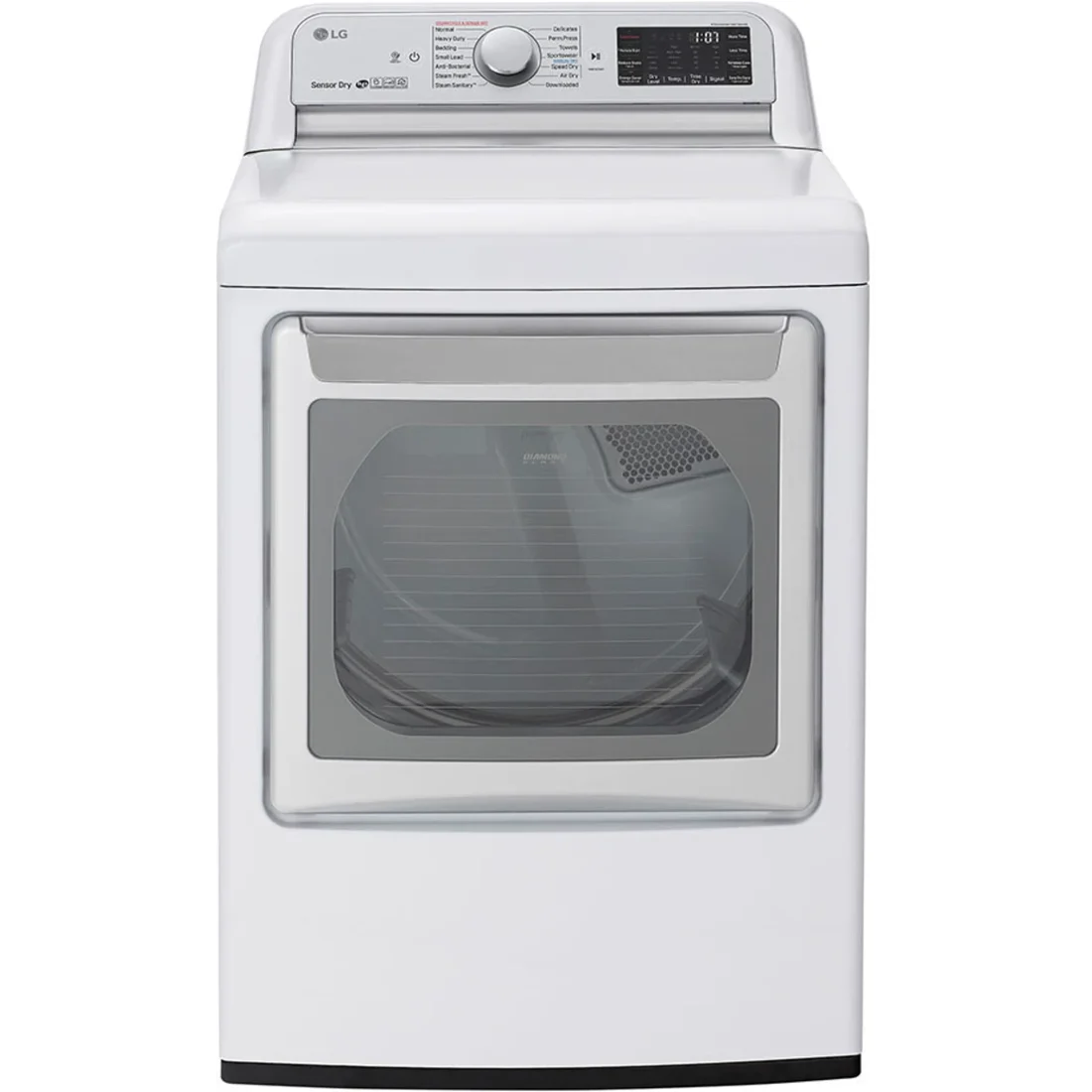
If you want a large drum with all the modern cycles, a model like this LG DLEX9000V shows how far electric machines have come. It handles big loads with room to spare, which folks near the College Park MARTA station appreciate on busy weeks.
Paying for it your way
Whichever type you land on, the price should not scare you off. That’s why we offer no-credit-needed financing through American First Finance, Acima, Snap, and Koalafi. You choose a plan, take the dryer home, and pay over time. So a fresh gas or electric dryer stays within reach even on a tight month.
Want the details before you visit? Our flexible payment plans page lays it out in plain language. No confusing fine print, just a clear path to dry clothes.
Come compare both in College Park
The easiest way to settle the debate is to see both types in person. We serve College Park and the whole south metro, including Red Oak, Center Park, Cherry Blossom, and the streets around Camp Creek Parkway. We also welcome neighbors from East Point, Hapeville, Union City, South Fulton, Riverdale, Forest Park, Jonesboro, and Morrow. Our store sits a short drive southeast, so a side-by-side look is simple.
Stop in, tell us about your hookup, and we will point you to the right machine. Find your store near you and let’s get your laundry room sorted. So the next time someone in College Park debates gas or electric, you can share what you learned.
Common Dryer Questions
In most homes, gas dryers cost a little less per load because natural gas is often cheaper than electricity for heat. They also dry a touch faster. Electric dryers, though, cost less to buy and are simpler to install, so the total cost depends on your habits and rates.
Look at your laundry room. A large 240-volt outlet means you can use an electric dryer. A gas line plus a standard 120-volt plug means a gas dryer will work. Snap a photo and bring it in, and our team will match a machine to your setup.
You can, but it usually means adding a gas line or a 240-volt outlet, which takes a pro. Most folks pick the dryer that fits the hookup they already have to keep install simple and affordable.
Yes. Both gas and electric dryers push out warm, moist air through a vent. Keep the lint filter clean every load and clear the vent line so air flows freely. That keeps drying fast and lowers fire risk.
Yes. We offer no-credit-needed financing through American First Finance, Acima, Snap, and Koalafi on both gas and electric dryers. Pick a plan, take it home, and pay over time.
See Gas and Electric Dryers Side by Side
Name-brand dryers at 60-70% off, with no-credit-needed financing on dryers. Come find your perfect match.