Best Mattress Firmness for Side Sleepers
Wake up with a sore shoulder or numb arm? The fix is usually simpler than you think.
Do you sleep curled up on your side? You’re in good company. Most folks do. But here’s the catch. The wrong firmness can leave your shoulder aching and your hip throbbing by morning. So picking the right mattress firmness for side sleepers is the single biggest thing you can do for a pain-free night. Good news: once you know the magic number, shopping gets easy. Let’s walk through it together.
Side sleeping is actually great for you. It’s easy on your back and it can help you breathe better at night. The only problem is pressure. When you lie on your side, all your weight presses down through two narrow spots: your shoulder and your hip. So the bed under those spots has to do something special. Let’s dig in.
Why Side Sleepers Feel Pressure Points
Think about it. When you lie on your back, your weight spreads out over a big area. But on your side? It all funnels into your shoulder and hip. Those are bony, narrow zones. If the mattress is too hard, it won’t give there. So your shoulder gets squished, blood flow drops, and you wake up with a dead arm. Not fun.
On the flip side, a bed that’s way too soft is no good either. Your hips sink too deep, your spine bends like a banana, and your lower back complains all morning. So side sleepers are looking for that happy middle, where pressure points get cushioned but your spine stays straight.
The Sweet Spot: Medium to Medium-Soft
Here’s the number to remember. On a 1-to-10 firmness scale, side sleepers usually feel best between a 4 and a 6. That’s medium to medium-soft. Soft enough to let your shoulder and hip sink in a bit, firm enough to keep your spine in a straight line.
Now, that range shifts a little based on your body. A lighter person needs a softer feel, maybe a 3 or 4, because they don’t press in as much. A heavier person needs a touch more support, maybe a 6 or 7, so they don’t sink too far. Most side sleepers, though, land right around a 5. That’s the safe starting point.
Match Firmness to Your Body
- Under 130 lbs: Go softer, around a 3 to 4. You need extra give to cushion those pressure points.
- 130 to 230 lbs: A medium 5 is your sweet spot. This covers most people.
- Over 230 lbs: Lean toward a 6 to 7 so your hips don’t dip too low and bend your spine.
How to Check Your Spine Alignment
Want a quick test? Lie on your side on the mattress and have a friend snap a photo from behind. Your spine should look like a straight line from your neck to your tailbone. If your hips dip down, the bed’s too soft. If your waist arches up with a gap, it’s too firm. Easy check, big payoff. The team behind our marked-down mattress selection uses this trick with shoppers every single day.
A Quick Word on What’s Inside
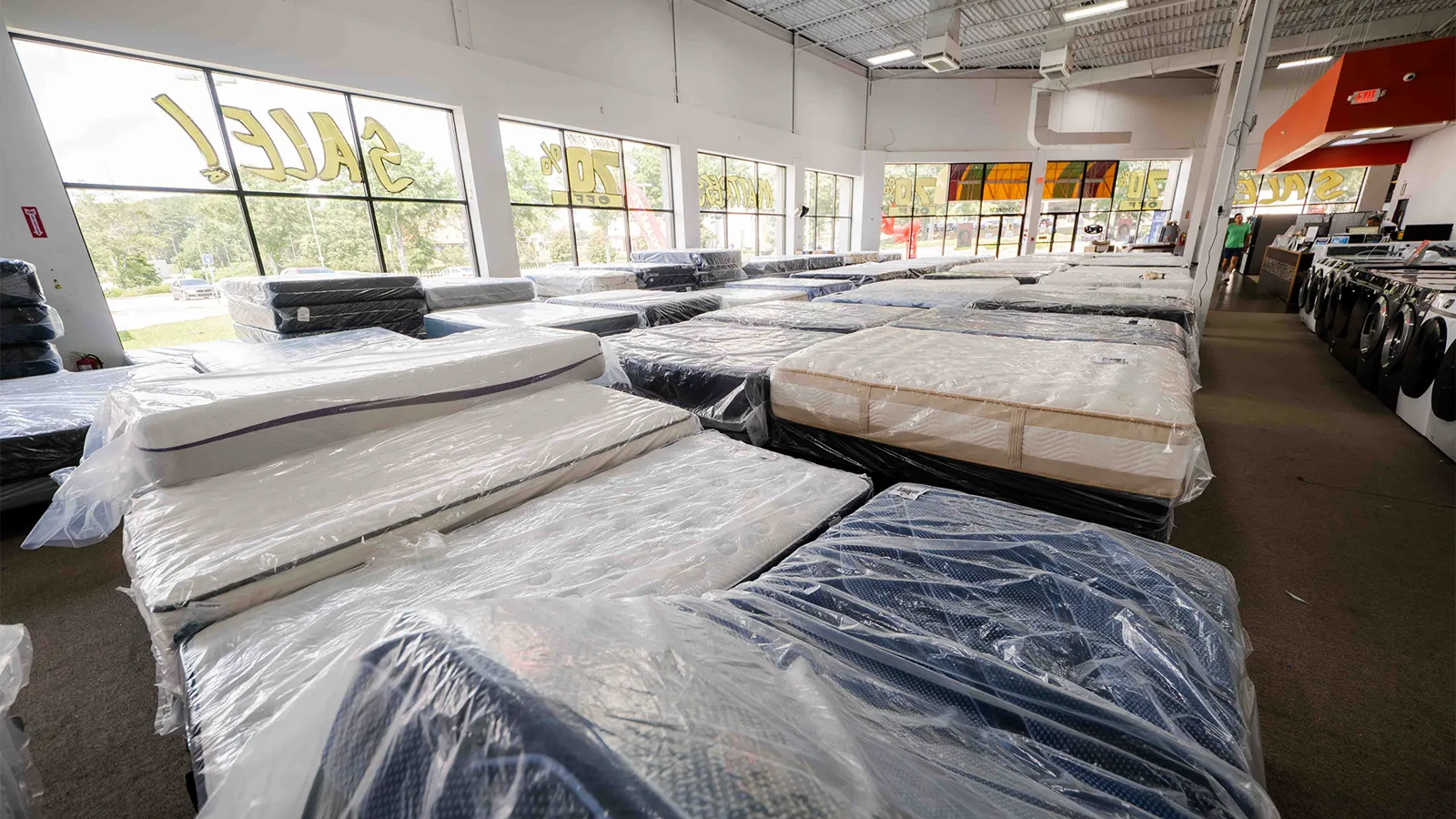
Firmness is king, but the materials matter too. Memory foam and soft hybrids tend to win for side sleepers because they cradle those pressure points so well. A plush foam top molds around your shoulder and hip, taking the pressure off. Hybrids add coils underneath for support and a cooler sleep. Either way, look for a comfy top layer with some real cushion. You can compare feels across our full mattress collection to see what suits you.

Halfway Check: Don’t Overthink It
Let’s pause and breathe. This isn’t rocket science. If you’re a side sleeper, you want roughly a medium feel, a cushy top layer, and a spine that stays straight when you lie down. That’s the whole game. Everything else is just personal taste, like color and price. And speaking of price, here’s where it gets fun.
Great Comfort Without the Big Price Tag
Here’s the thing about mattress shopping. The cushy medium-soft beds side sleepers love often carry the biggest markups at retail stores. So people end up paying $1,500 or more for the comfort they need. That’s a shame, because you don’t have to.
At Compare Deals, we sell closeout and overstock mattresses at 60 to 70% off retail. So that plush, spine-friendly bed you want can start around $399 for a queen, with step-up tiers to $899. Same quality. Same comfort. Just way less money. And if you’d rather spread out the cost, our no-credit-needed flexible payment options through American First Finance, Acima, Snap, and Koalafi make it simple. You can sleep better tonight and pay over time.
Honestly, the best way to nail your firmness is to come lie down. Bring your pillow, kick off your shoes, and rest on your side for a few minutes. Trust your shoulder. It’ll tell you. Stop by either of our Lawrenceville and Morrow stores and we’ll help you find your number. And if you want more on healthy sleep positions, the Sleep Foundation has a helpful breakdown too. Sweet dreams.
Common Questions
Most side sleepers feel best with a medium to medium-soft mattress, around a 4 to 6 on a 10-point scale. That’s soft enough to cushion your shoulder and hip but firm enough to keep your spine straight. Around a 5 is a safe starting point for the average person.
Your mattress is probably too firm. When the bed won’t give under your shoulder, all your weight squishes that one spot and cuts off blood flow, leaving you with a sore or numb arm. A softer top layer lets your shoulder sink in and relieves the pressure.
Yes. Lighter people (under 130 lbs) usually want a softer feel around a 3 to 4. Average folks do well at a medium 5. Heavier people (over 230 lbs) should lean firmer, around a 6 to 7, so their hips don’t sink too far and bend the spine.
Both can work well. Memory foam cradles pressure points beautifully. Soft hybrids do the same but add coils for support and a cooler sleep. The key is a comfy top layer with real cushion, so your shoulder and hip can settle in.
Lie on your side and check your spine. It should form a straight line. If your hips dip down, the bed is too soft. If your waist arches up with a visible gap, it’s too firm. Test it for a few minutes in the store before you decide.
Find Your Firmness for Less
Save 60 to 70% off retail on side-sleeper-friendly mattresses. No credit needed financing available. Come test your number today.