Gas vs Electric Dryer Snellville: Which One Wins?
Hookups, running costs, and install — a friendly guide to picking the right dryer for your home.
Picking between a gas or electric dryer can feel like a coin flip. But it doesn’t have to be. If you’re in Snellville and weighing a gas vs electric dryer Snellville decision, the answer really comes down to one thing first: what hookup you already have in your laundry room. So before you fall in love with any model, go peek behind your current dryer. That five-second check saves a lot of headaches, and it’s where every smart choice starts.
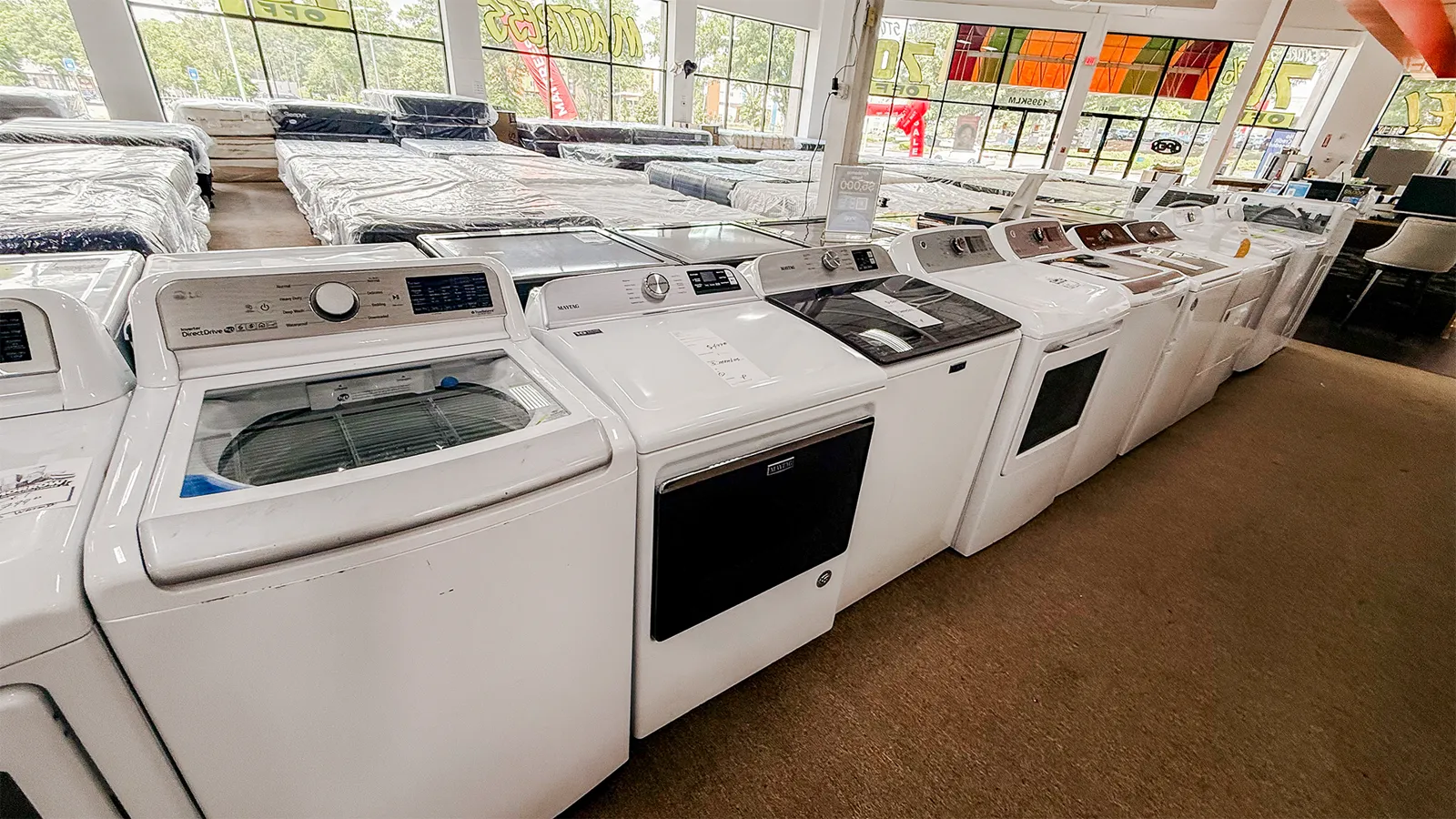
Good news either way. Both types dry clothes great, both come in name brands like LG and Samsung, and both are on our outlet floor at 60–70% off retail. So whichever you need, you won’t overpay. Let’s break down the differences in plain English, no jargon.
Step one: check your hookup
Here’s the deal. An electric dryer needs a 240-volt outlet, that big wide plug you don’t see anywhere else in the house. A gas dryer needs a gas line plus a standard 120-volt outlet to run the drum and controls. Homes across Snellville have both setups, so it varies neighborhood to neighborhood. A newer build in Summit Chase might be wired for electric, while an older house in Heritage Hills could already have gas plumbed in.
Why does this matter so much? Because switching from one to the other means calling an electrician or a gas tech, and that adds cost. So the cheapest, simplest path is almost always to match whatever hookup you already have.
Cost to run: the everyday numbers
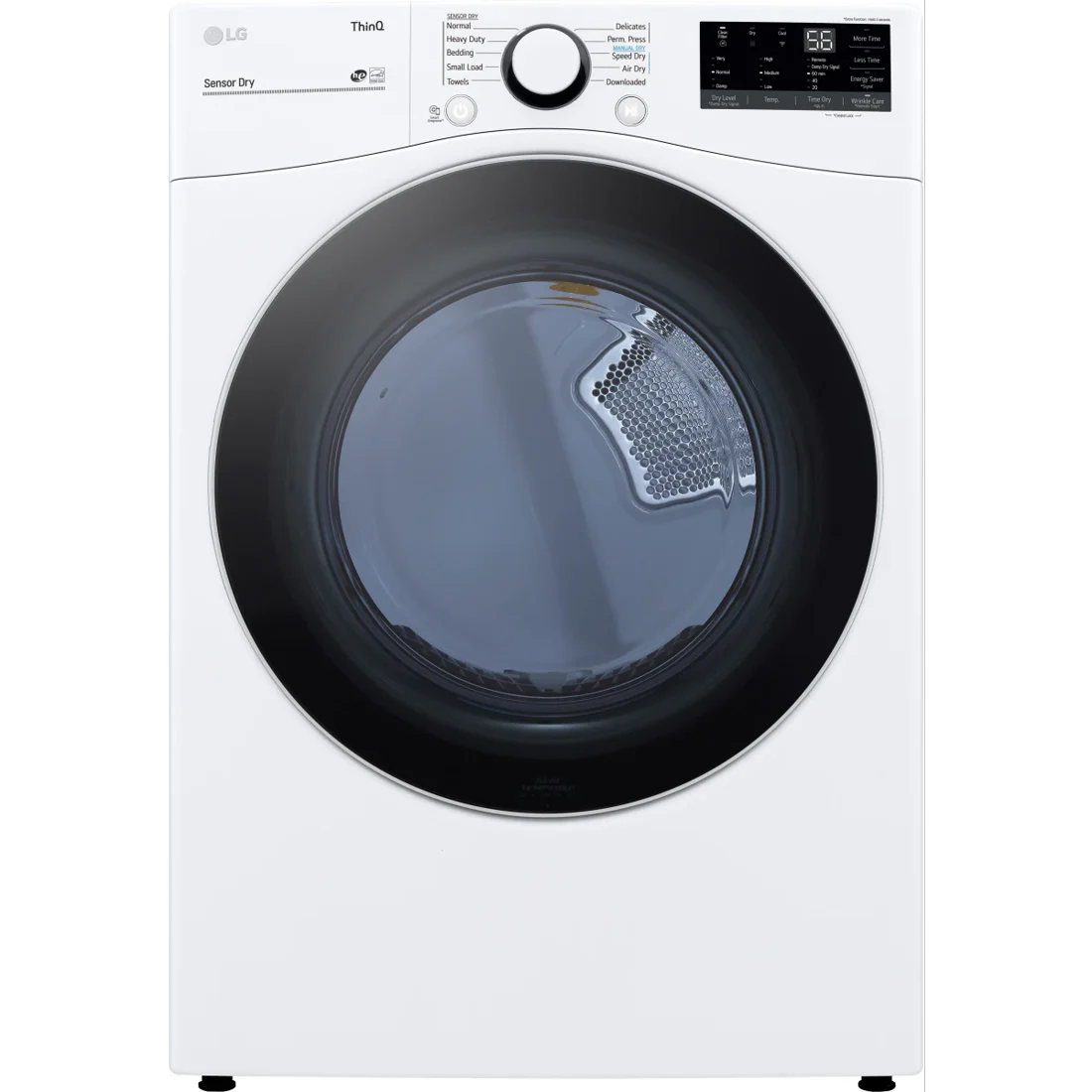
Now let’s talk money each month. Gas dryers usually cost a little less to run because natural gas is often cheaper than electricity per load. Over years of laundry, that can add up for a big family. However, gas dryers usually cost a bit more up front, and they need that gas line.
Electric dryers cost a touch more per load, but the units are often cheaper to buy and simpler to install. So the “which is cheaper” question really depends on how much laundry you do and what your utility rates look like. For a household in Brookwood Farms running the dryer daily, gas savings add up faster. For a smaller home, the gap is tiny.
Installation: what to expect
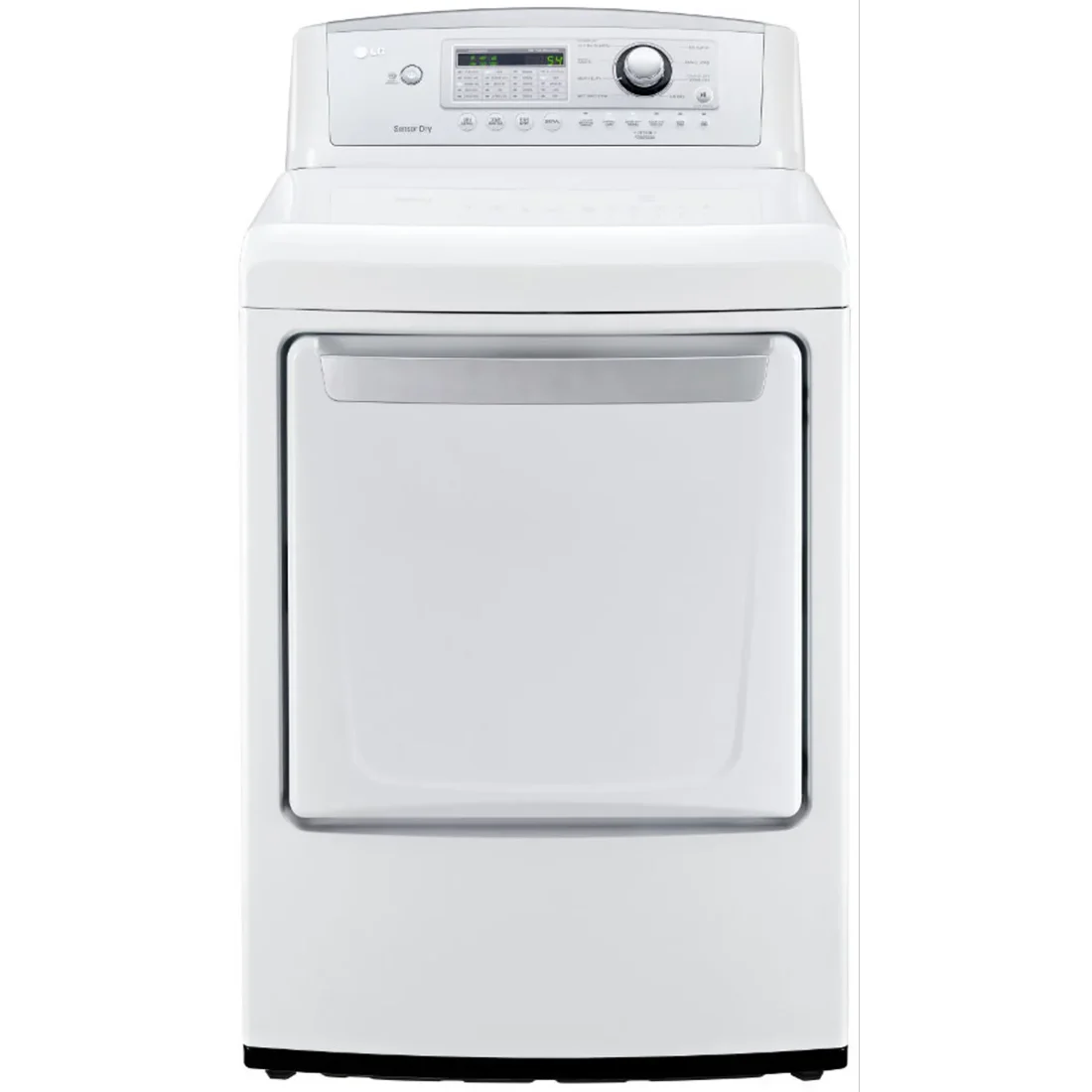
Electric dryers are usually the easier install. You plug in the 240-volt cord, connect the vent hose, and you’re done. Gas dryers need that gas connection made safely, so many folks have a pro handle it. It’s not hard, but gas is gas, so do it right.
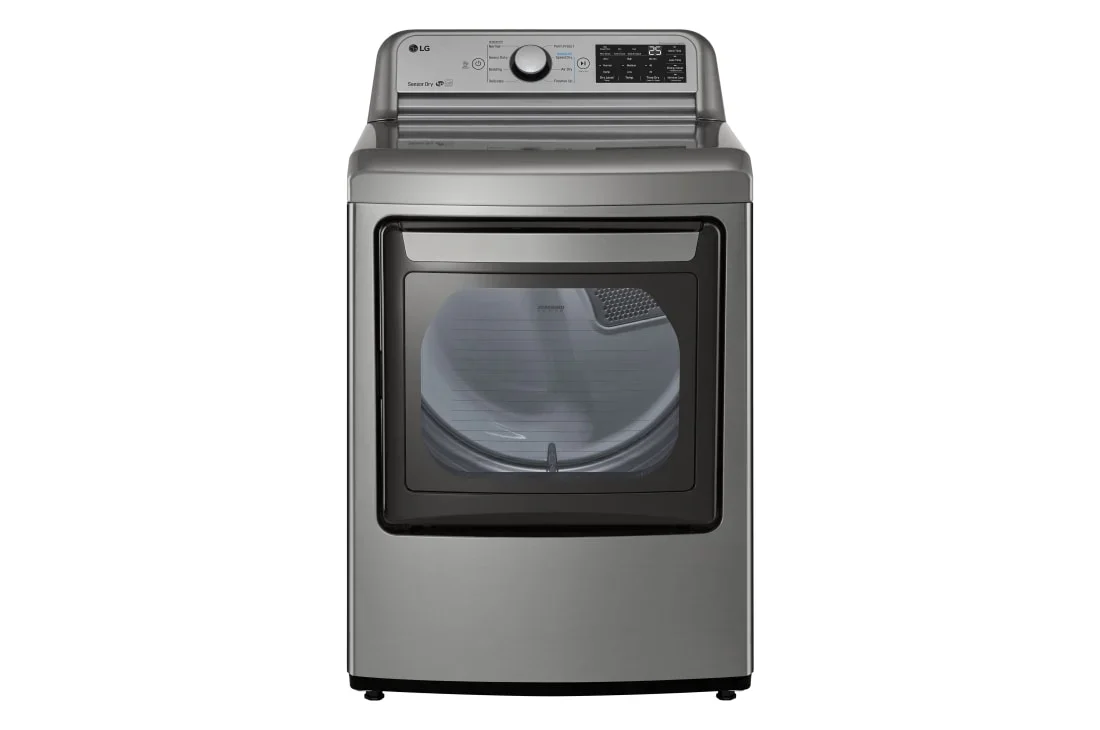
Either way, don’t forget the vent. A good vent run keeps your dryer safe and efficient, and it matters more than most people think. Want to browse both types side by side? Take a look at our full selection of dryers and note which models say “DLE” for electric or “DLG” for gas.
A quick recap before you decide
Let’s pause and simplify. Already have a 240-volt outlet? An electric dryer is your easy, budget-friendly pick. Already have a gas line? A gas dryer can trim your running costs over time. No strong preference and building fresh? Electric is the simpler starting point for most homes near Ronald Reagan Parkway and beyond.
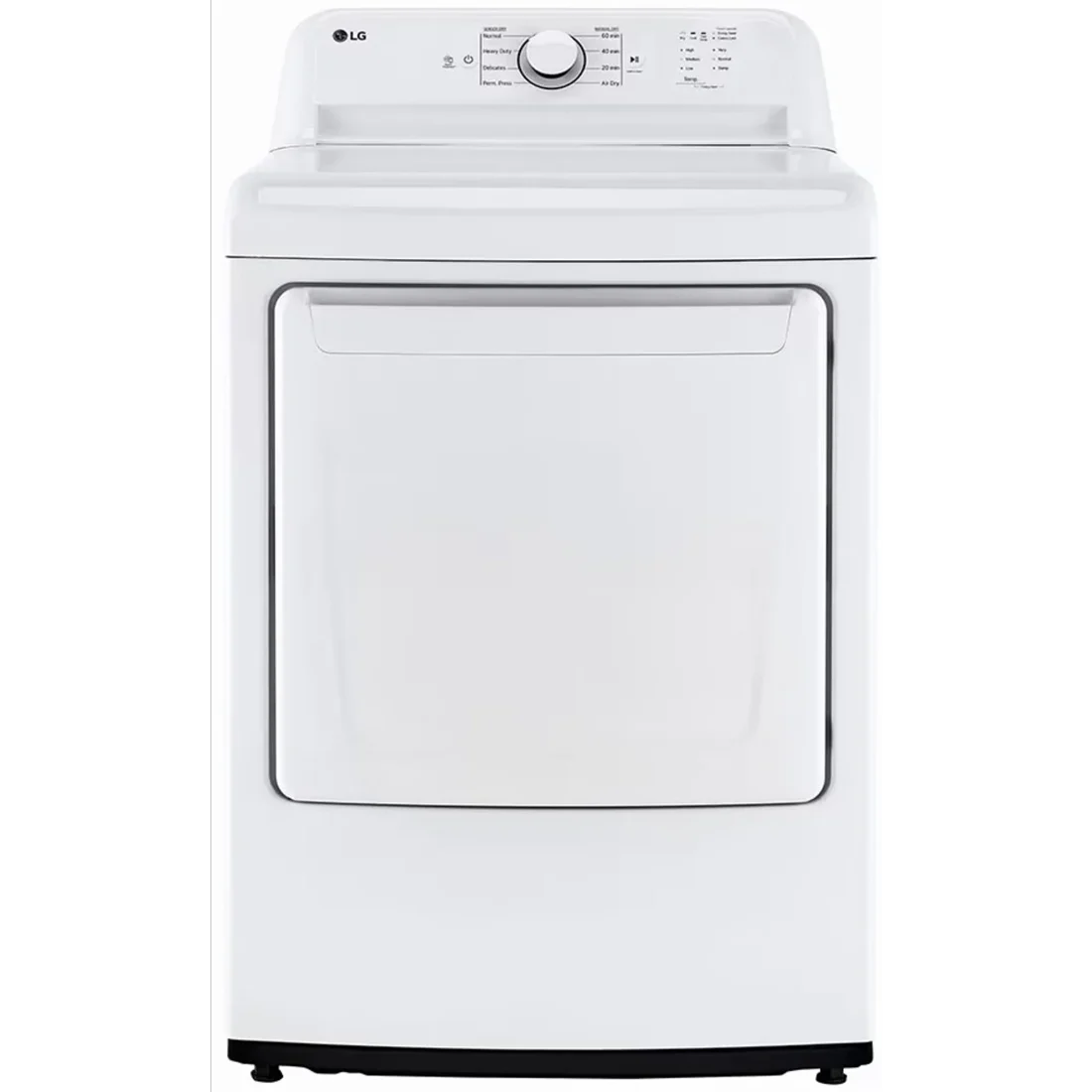
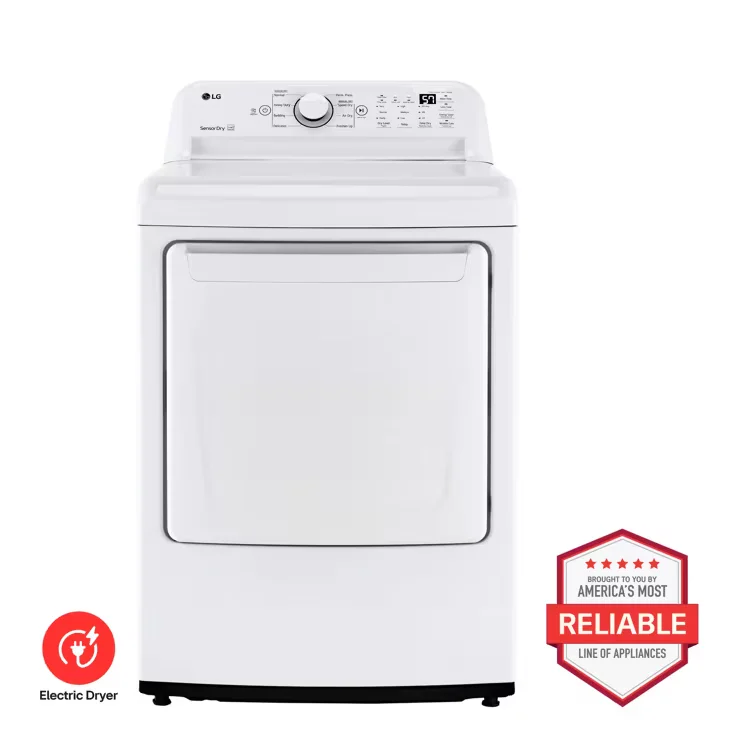
Still torn? That’s what we’re here for. Our team can look at your setup and point you to the right unit. One example many shoppers like is this large-capacity LG DLE6100W, which handles big loads without a big price tag.
Safety matters, gas or electric
Here’s one thing both types share: lint. Lint buildup in the vent is the number one dryer hazard, and it’s easy to prevent. Clean the lint screen every load and check the vent duct a couple times a year. The U.S. Consumer Product Safety Commission has simple guidance on keeping your dryer safe. A clean vent also helps clothes dry faster, so it saves you money too. Win-win.
If you’re ready to buy but want a payment plan, no problem. Our no-credit-needed financing works on both gas and electric models, so you can pick the right dryer for your home and pay over time.
Come see both types in Snellville’s backyard
Reading about dryers is fine, but seeing them in person is better. Our Lawrenceville outlet is a short 15 to 20 minute drive from Snellville, easy to reach whether you’re near The Grove at Towne Center or picking up groceries by the Shoppes at Webb Gin. We serve shoppers across Grayson, Loganville, Lilburn, Lawrenceville, Centerville, Stone Mountain, Duluth, and Norcross too, so plenty of neighbors make the trip.
So whichever way your gas vs electric dryer Snellville choice lands, come find the model that fits. Check our store hours and directions, bring a quick note on your hookup, and let us help you dry laundry the smart, affordable way.
Common Dryer Questions
Gas dryers usually cost a little less per load since natural gas is often cheaper than electricity. But electric dryers are often cheaper to buy and install. The best value depends on your laundry habits and utility rates.
Look behind your current dryer. A big 240-volt outlet means electric. A gas line plus a standard plug means gas. Matching your existing hookup is the easiest and cheapest route.
Yes, but it means adding a gas line or a 240-volt outlet, which usually needs a licensed pro and adds cost. Most people simply buy the type that matches what they already have.
Yes. Standard gas and electric dryers both vent hot, moist air outside. Keeping the lint screen and vent duct clean is important for safety and helps clothes dry faster.
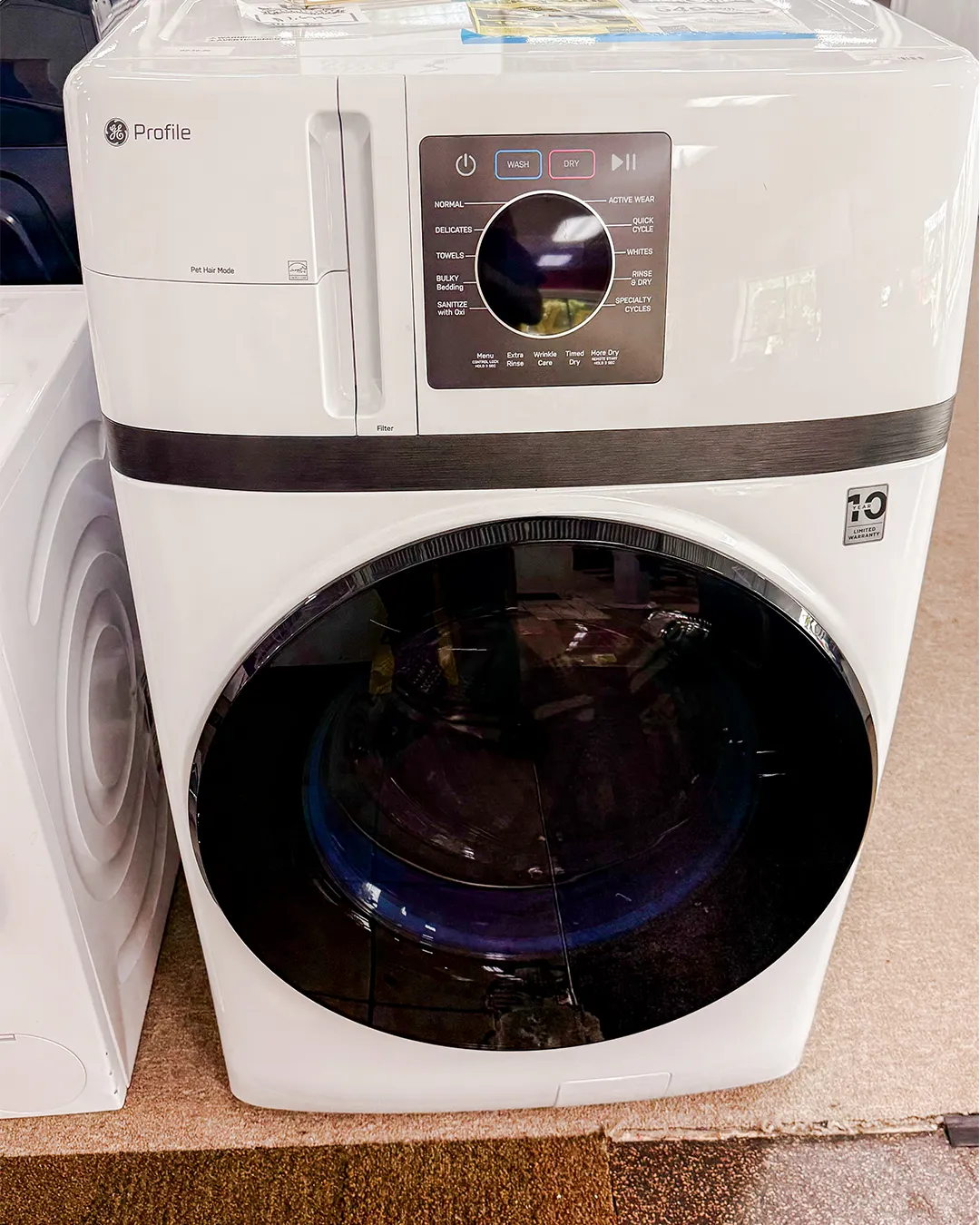
We do. Our outlet floor rotates through LG, Samsung, GE, Maytag, and Whirlpool in both fuel types, all at 60–70% off retail. Stop in to see current stock.
Find Your Perfect Dryer
Gas or electric, name-brand dryers at 60–70% off with no credit needed. Come compare in person.